
Let’s talk scarcity marketing.
It tickles the part of our brain that hates missing out more than it hates overpriced lattes.
Whether it’s a flashing “Only 2 items left” banner or a subtle “Sale ends in 3 hours,” scarcity marketing leverages our FOMO (Fear of Missing Out) to compel action.
So why does scarcity work like a charm?
Simple.
It triggers a sense of urgency that your meticulously crafted product descriptions or catchy jingles can’t.
Your customers, or should I say, your soon-to-be more frequent customers, respond to scarcity like moths to a flame.
In the next few minutes, you’ll learn the 15+ proven tactics that leverage the psychology of scarcity (and other cognitive biases) to boost your sales.
Because, let’s face it, in the world of online commerce, the clock is always ticking.
What is scarcity marketing?
Scarcity marketing is essentially your garden-variety manipulation — except it’s socially acceptable and, believe it or not, welcomed by consumers.
It’s the art of making an offer seem more attractive by presenting it as limited in some way.
This could mean low stock levels, a ticking countdown, or even a “last chance” email.
Understanding the basics
At its core, scarcity marketing plays on human psychology.
It turns us into Pavlov’s dogs, but instead of salivating for a treat, we’re clicking “Buy Now” faster than you can say “limited edition.”
It capitalises on our inherent fear of missing out, urging us to act quickly or forever hold our peace.
Why it’s more relevant than ever
With the surge in online shopping and, ironically, the sheer number of choices out there, people are more indecisive than ever.
Scarcity marketing cuts through the noise.
Because according to research, scarcity often increases product value, which supposedly eliminates the paradox of choice.
It nudges potential buyers off the fence and into your digital checkout line.
In a marketplace swamped with options, creating a sense of urgency is like installing a VIP lane, guiding your customers directly to you.
Types of scarcity marketing
So, scarcity marketing isn’t a one-size-fits-all phenomenon.
Think of it as a toolbox rather than a single wrench.
You’ve got various types of scarcity at your disposal, each with its unique flavour of persuasion.
And like any good chef, you’ll want to choose the right seasoning for your particular dish.
Let’s go over the three main ones:
- Time-Based Scarcity
- Quantity-Based Scarcity
- and Access-Based Scarcity.
Time-based scarcity
This is the granddaddy of scarcity tactics, as old as time (no pun intended).
It’s simple: set a deadline.
Tell your customers they have “24 hours left” or that the “sale ends tonight.”
Remember Amazon’s Prime Day?
It’s a 2-6 day promotion where deals are as fleeting as our willpower to resist them.
The countdown timer is front and center, making us scuttle to snag those deals before they’re gone.
Quantity-based scarcity
Think of this as the cousin who shows up fashionably late but steals the show.
This tactic is about telling your audience that only a limited number of items are available.
Ever notice phrases like “Only 5 seats left” on flight-booking websites?
It’s not there for decorative purposes; it’s there to make you commit, fast.
Access-based scarcity
Now, this one’s the mysterious, elusive type.
Access-based scarcity revolves around exclusivity.
For example, let’s talk about Clubhouse, the invite-only social networking app.
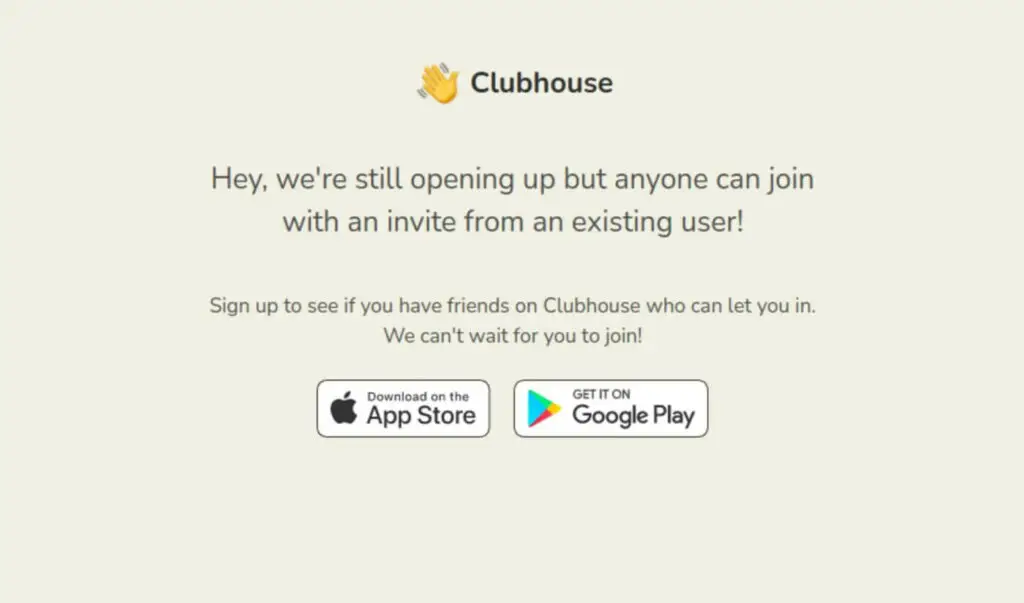
When it first launched, you could only join if you were invited by an existing member.
This limited access made it the talk of the town, turning it into a must-have app, all because people thought they could be part of something exclusive.
There you have it—the trifecta of scarcity marketing.
15+ real tactics to implement right now
If you’re looking to boost those revenue numbers and give your conversion rates the equivalent of a Red Bull, strap in.
Let’s dive into 15+ tactics to give your scarcity marketing the oomph it deserves.
Limited-time offers
When your offer has an expiration date, it suddenly becomes a hot potato nobody wants to drop.
Limited-time offers act as a catalyst for decision-making.
It’s the classic “act now or forever miss out.”
You’ve seen it everywhere—from 24-hour flash sales to week-long discounts.
The ticking clock is the ultimate urgency maker.
Ideas on how to use limited-time offers
- Send a surprise email announcing a 12-hour sale on a popular item.
- Embed a countdown timer on your website next to the discounted items.
- A day before the offer, post hints on social media to create anticipation.
Limited quantity products
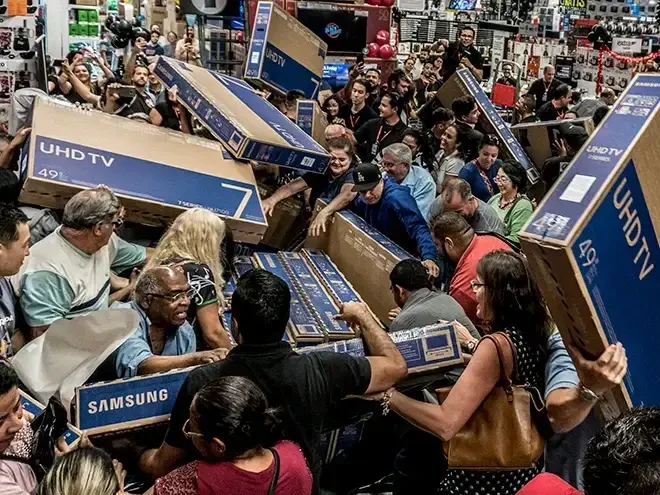
“Only 2 items left” might as well read “grab it before someone else does.”
Limited quantity creates a battlefield where it’s every shopper for themselves.
This type of scarcity not only urges an immediate purchase but also makes the item seem more valuable.
After all, if it’s running out, it must be good, right?
Ideas on how to use limited quantity products
- Display a live counter showing the number of items left in real-time.
- Use push notifications to alert when stock drops below 5 units.
- Show low stock warning in the shopping cart to encourage completion of purchase.
Waitlists and pre-orders
The allure of waiting for something gives it a mystique, an air of being highly sought-after.
By the time it’s finally available, we’re chomping at the bit to get it.
Waitlists and pre-orders offer a two-for-one deal: they build anticipation while also hinting at exclusivity.
Ideas on how to use waitlists and pre-orders
- Reward people on the waitlist with a 1-hour head start before the public launch.
- Encourage those on the waitlist to share and move up in line.
- Offer previews or beta versions to those who pre-order.

Seasonal or event-based campaigns
Limited-time events, like Black Friday or a Summer Sale, come around once a year and people prepare for them.
These campaigns are a goldmine for creating a sense of urgency.
Miss it, and you’ll have to wait another year — no one wants that kind of FOMO in their life.
Ideas on how to use seasonal or event-based campaigns
- Include a free holiday-themed item for the first 50 buyers.
- Write a series of blog posts leading up to the big event, unveiling new deals each day.
- Create a hashtag and encourage user-generated content to promote the event.
Bonus rewards for early action
Everyone loves a good freebie, especially when it’s going, going, almost gone.
Offering a first-come-first-served bonus adds another layer of urgency.
Not only do you get the deal, but you also get something extra if you act now.
Ideas on how to use bonus rewards for early action
- The faster they buy, the better the free gift.
- Exclusive access to a new feature for the first 100 buyers.
- Allow early-bird customers to shop sales 24 hours before everyone else.
Customer testimonials for sold-out products
This is hindsight in action.
Displaying glowing reviews for products that are no longer available creates a sense of loss and amps up the desirability for your next release.
It’s like seeing pictures from a party you missed — guaranteed FOMO.
This also plays into the bandwagon effect.
Ideas on how to use customer testimonials for sold-out products
- Create a video montage of happy customers using your sold-out product.
- Replace the sold-out tag with customer testimonials and a “Notify Me” button.
- Feature testimonials in Stories and create an archive for future FOMO.
The “Almost Gone!” prompt
Real-time stock updates like “Almost Gone” or “Selling Fast” hit differently.
It’s the digital equivalent of someone standing in a store shouting, “Hurry, it’s flying off the shelves!”
It ratchets up the urgency by showing you’re not the only one eyeing that product.
Ideas on how to use the “Almost Gone!” prompt
- Use a scrolling live ticker that updates when products are added to carts.
- Post real-time inventory updates on Twitter or Instagram.
- A subtle, but noticeable “Almost Gone!” badge on the product image.
FOMO-inducing email campaigns
Your email can be more than a monthly newsletter.
Throw in phrases like “Last Chance” or “Exclusive Offer Ends Soon” and watch your click-through rates soar.
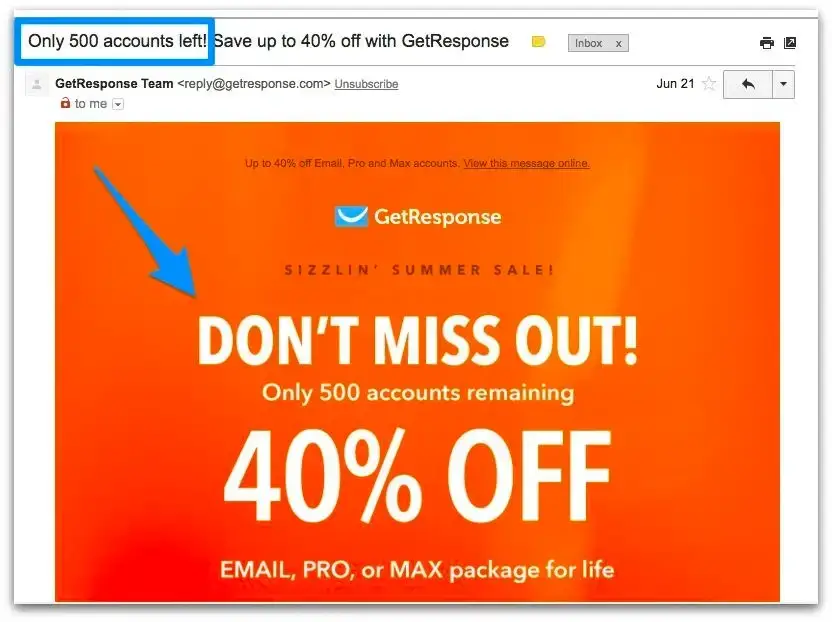
Keep it timely, keep it exclusive, and watch your customers click their way to you.
Ideas on how to use FOMO-inducing email campaigns
- Use phrases like “Others are eyeing your cart” to provoke action.
- Distribute 24-hour coupon codes via email.
- Email alerts when popular items are almost sold out.
Member-only access and benefits
By creating an exclusive community with member-only perks, you elevate your brand and products into the “must-have” category.
It’s not just a product; it’s a club.
Ideas on how to use member-only access and benefits
- Host a members-only online event with a guest expert.
- Members get first access to new inventory every Friday.
- Special deals or gifts sent on a member’s birthday.
Tiered pricing strategies
Offering a base product that’s available to everyone but reserving certain premium features for higher tiers introduces scarcity through pricing.
Suddenly, the premium options become objects of desire.
Ideas on how to use tiered pricing strategies
- Offer a basic free product but keep some juicy features for the premium tiers.
- Price per unit decreases as quantity purchased increases.
- Discounted rates for the first month of a new feature or service.
Flash sales
A flash sale is like a summer fling: intense, brief, and unforgettable.
It offers deep discounts but for a very short time.
The high-energy vibe of a flash sale compels quick decision-making and rapid-fire purchases.
Ideas on how to use flash sales
- Let your audience vote for the next flash sale item.
- Use SMS to alert customers minutes before a flash sale begins.
- Enable a “Buy Now” button specifically for flash sales to minimise friction.
One-time special collaborations
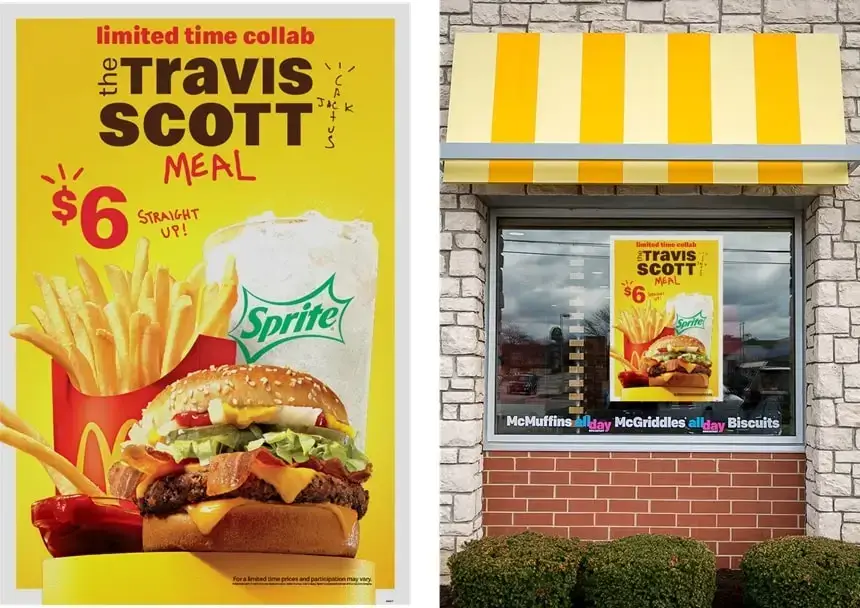
When two brands unite for a single product release, the result is often retail magic.
These co-branded products are only available for a short time, which adds another layer of “get it now or regret it later” to your marketing.
Ideas on how to use one-time special collaborations
- Make the packaging as unique as the collaboration itself.
- Have influencers tease the product before the launch.
- Create an online scavenger hunt that reveals more about the collaboration.
Package deals and bundles
Offering package deals or bundles creates a unique opportunity.
Not only does the customer get more for less, but they also can’t get it anywhere else.
Scarcity through exclusivity hits again.
Ideas on how to use package deals and bundles
- Let customers create their own bundles from a selection.
- Seasonal bundles that can be gifted as-is.
- Offer a bundle as an upgrade during checkout.
Last-minute upgrades
Here’s where you can make your customer feel like they’ve won the lottery.
Offer last-minute upgrades at the checkout phase that seem exclusive and time-sensitive.
A sudden opportunity for more bang for the buck?
Yes, please.
Ideas on how to use last-minute upgrades
- Add an option for expedited shipping as a last-minute upsell.
- Offer premium gift wrapping options right before payment.
- Enable last-minute add-ons like warranties or accessories with a single click.
Early bird specials
Nothing says “reward for promptness” like an early bird special.
Offer a discount or a bonus to customers who act quickly, creating a surge of early sales that can trigger a cascade of follow-up purchases.
Ideas on how to use early bird specials
- Offer early bird rates for crowdfunding campaigns.
- Discounted seats for the first 20 who register for an upcoming webinar.
- First 50 students get extra one-on-one coaching sessions.
Social media countdowns
In the age of short attention spans (what, like 7 seconds now?), a live countdown on social media can grip your audience.
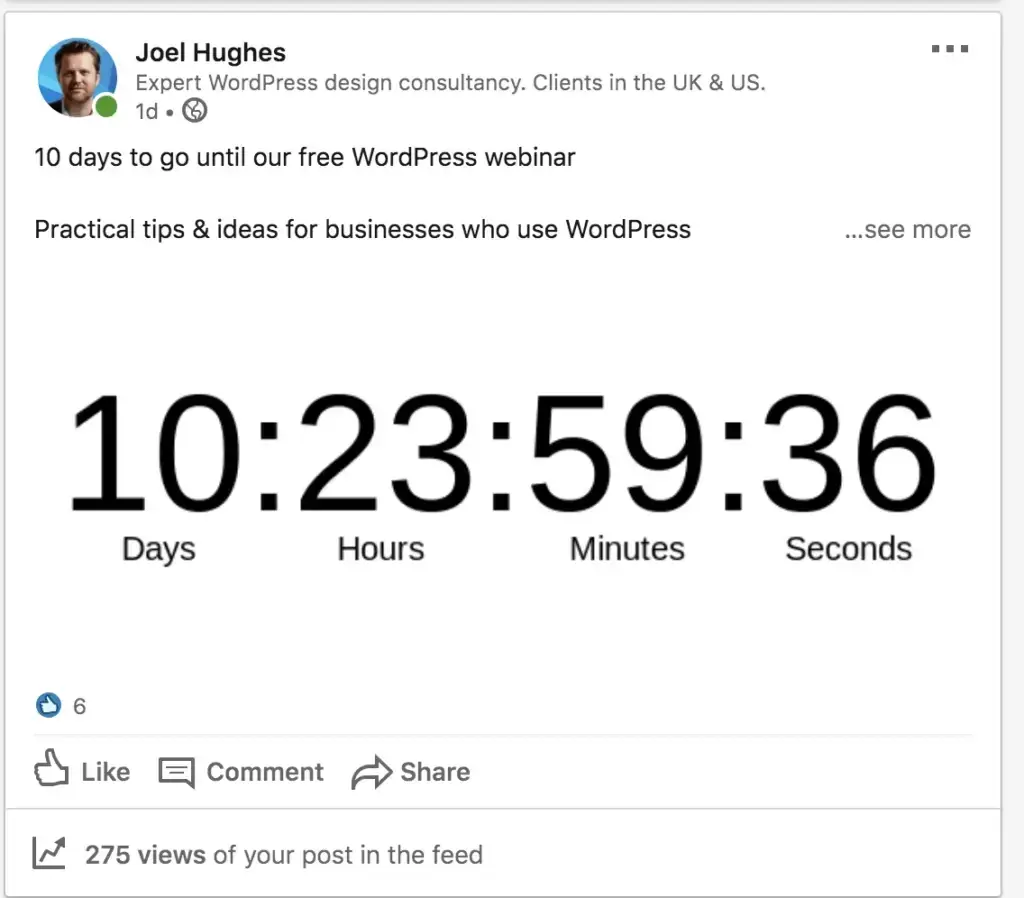
It’s real-time, it’s urgent, and it’s happening right before your eyes.
A well-executed countdown can turn casual browsers into committed buyers.
Ideas on how to use social media countdowns
- Use the countdown sticker for a new product launch.
- A series of tweets leading to the zero hour, each revealing something new.
- Host a live countdown party with giveaways and live Q&A.
Pitfalls to avoid
Before you go off gallivanting into the world of scarcity marketing, let’s talk about what NOT to do.
As appealing as these tactics are, they come with their fair share of booby traps.
Trust is easily squandered and hard to rebuild, so tread lightly.
Avoiding the “Cry Wolf” syndrome
Here’s a riddle for you: what do scarcity marketing and fairy tales have in common?
The danger of crying wolf too many times.
Overuse the “last chance” or “limited offer” and you risk numbing your audience to future campaigns.
When everything’s urgent, nothing is.
Striking a balance with transparency
The magic trick of scarcity marketing?
It’s not a trick at all if you’re transparent.
Remember, trust is a fine china cup — easy to break, difficult to fix.
False urgency will break that cup.
Your customers are savvy; they’ll know when you’re gaming the system.
So, be transparent, especially about stock levels and time limits.
Maintaining product quality
Let’s get this straight: scarcity shouldn’t be your excuse to skimp on quality.
After all, what’s the point of selling out if your reviews start tanking?
Quality is your business’s backbone, and no amount of marketing wizardry can fix a bad product.
So, proceed with caution, wield your new tools wisely, and may the odds of a sold-out product page be ever in your favour.
When It Comes to Scarcity Marketing, Timing is Everything
We’ve talked tactics, offered real-world examples, and even thrown in some pitfalls for good measure.
But at the end of the day, it all boils down to timing.
Just like in comedy, or cooking, or lovemaking — timing can make or break your scarcity marketing campaign.
Align your strategies with consumer behaviour, seasonal trends, or product launches, and you’re golden.
Misfire, and well, you’re just another noise in the clutter.
So, what’s the game plan?
Don’t just bookmark this page and forget it exists.
Because in business, and especially in scarcity marketing, the early bird doesn’t just get the worm; it gets the customer too.
Use these insights while they’re hot off the digital press.