

Today, I’m going to be talking about one of my favourite topics: CVR Marketing.
What makes CVR strategies (or CRO) so special is that it totally changes your perspective on how you see your marketing efforts.
It’s all about crafting a message that resonates with your audience, split-testing persuasive copy and design, and trying to make it easy for them to take action.
In this guide, you’ll walk away with some real-world examples of how to use CVR marketing, along with a free checklist to get you started.
What is CVR marketing?
CVR stands for Conversion Rate.
This just means the percentage of people who took a desired action compared to those who didn’t.
In marketing, this could be anything, like when someone:
- Makes a purchase on your website
- Fills in a Google Ads lead form
- Subscribes to a newsletter
- Reaches a specific web page
- Adds a product to their cart
- Downloads an app
The conversion is anything YOU think is valuable to your business.
But as a rule of thumb, try to stick with conversion goals that move the money needle for your business.
Like whenever you get a new lead, sales call, client, purchase, or patient booking — basically anything that drives more revenue.
How to calculate CVR (the CVR Formula)
Thankfully, calculating your CVR isn’t rocket science.
It’s a lot simpler than you think.
Just divide the number of people who took the desired action by the total number of people who had the opportunity to take that action.
For example, if you sent out an email to 1,000 people and:
- 100 of them clicked on a link to your website, and
- 10 of them made a purchase
Your CVR for that email campaign would be 1%.
Here’s the CVR marketing formula:
(10/1000 = 0.01 or 1%)
Here’s another example.
Let’s say you run a social media ad campaign with the goal of getting people to sign up for a free trial of your product.
You spent $500 on the ad, and it reached 10,000 people.
Out of those 10,000 people, 500 clicked through to your landing page, where they could sign up for the free trial.
And out of those 500, 50 actually signed up for the trial.
So, depending on how you want to look at it, your CVR would be:
- Ad campaign CVR: (50/500 = 0.1 or 10%)
But let’s say that you didn’t want to ignore the landing page’s conversion rate.
Because believe you me… it takes a bit of convincing to get someone to go from the landing page to the trial sign-up page.
So, in that case, the landing page’s CVR would be:
- (500/10000 = 0.05 or 5%)
And you can go on and on depending on your goals.
Just to clarify, you may notice that some people on the internet have their formulas like this:
- (500/10000) x 100, but you’ll get the same answer as my example above.
How CVR helps with advertising and website decisions
Did you know most companies spend less than 5% of their budget on optimising their conversions?
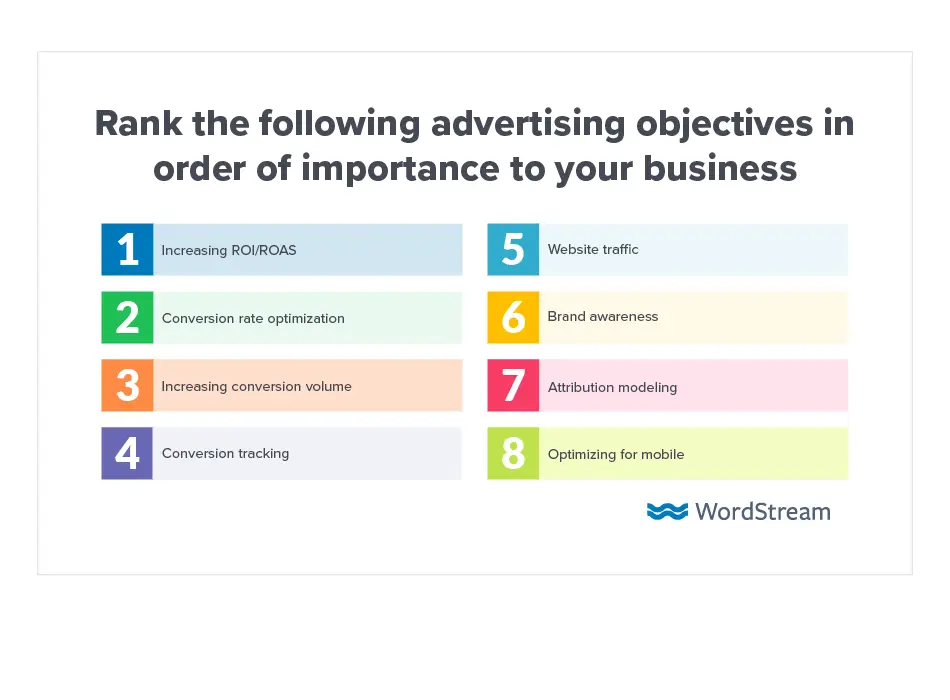
When you start tracking your conversion rates, you’ll start seeing patterns emerge that can help you make smarter advertising decisions.
For example, if you notice that a particular landing page has a high conversion rate, you might consider directing more ad budget to it.
Or, if you see that a certain ad isn’t converting as well as you’d like, you could try tweaking the copy or the design to see if that makes a difference.
There’s no hard and fast rule to improving your conversion rate.
But there are checklists that you can use to aid in the process.
CVR marketing checklist
Now, let’s talk about how you can improve your CVR and get better results from your digital marketing efforts.
Step #1 — create a “persona”
It all starts with understanding your audience and what motivates them to take action.
I’m going to make a boring recommendation here, but it’s really something that helps every aspect of your marketing (and sales) — write a marketing persona (a.k.a buyer’s persona).
What this means is that you’ll create a document that’ll help you understand your audience’s:
- Pain points
- Desires
- Objections, and
- Desired outcomes related to the problem your offer solves in the marketplace.
This is important for CVR marketing because it’s the backbone of your entire business’ acquisition and retention efforts (fancy way of saying sales efforts) by helping you to:
- Create more relatable marketing messaging
- Create offers that are hard for prospects to say no to
- Assist your sales team by helping them know what to say
- Write better content and informative blog posts
- And more

Step #2 — track your conversions
Ah, the cardinal sin of marketing, and the most common one, too.
But most people still don’t do this.
Tracking your conversions is crucial to understanding what’s working and what’s not in your marketing efforts.
The most rudimentary tracking system you can install is Google Analytics 4.
So be sure to set that one up if you haven’t already.
But don’t stop there.
You now need to set up conversion tracking.
There’s a special tool that I use for all my clients, it’s called WhatConverts.
I’m not affiliated or anything, but the tool is just so useful if you’re looking for clarity on where sales, clients, and leads are coming from.
Step #3 — simplify your forms
One thing that can really hurt your CVR is having long and complicated forms on your website or landing page.
Think about it — when was the last time you filled out a lengthy form willingly?
Chances are, you probably avoided it altogether.
So, keep your forms as simple as possible.
Only ask for information that’s absolutely necessary, and make it easy for people to fill out.
Step #4 — be creative with CTAs
Your call-to-action (CTA) is one of the most critical parts of your marketing.
It’s the final push that can turn a prospect into a paying customer.
So, don’t be afraid to get creative with your CTAs.
Instead of using generic phrases like “buy now” or “learn more”, try using something that speaks directly to your audience.
For example, if you’re selling a fitness programme, you could use a CTA like “Get fit today and feel confident tomorrow”.
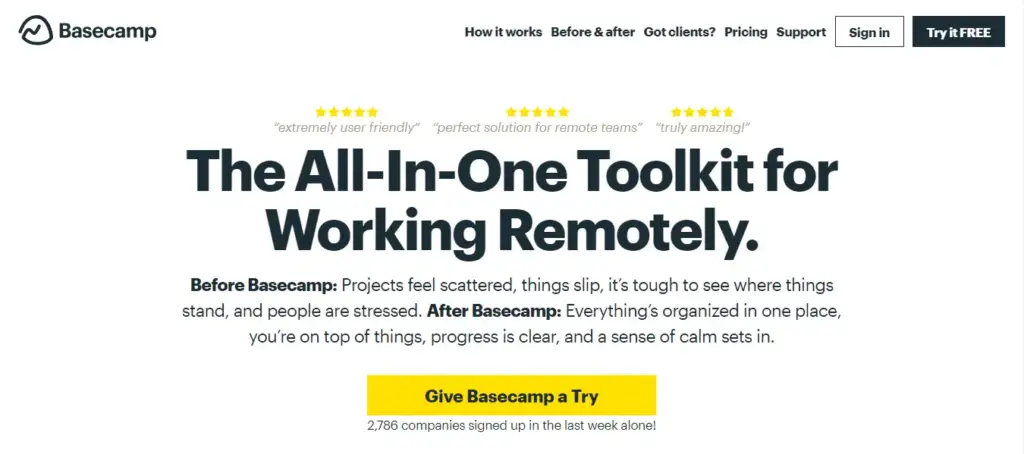
Here are other examples:
- “Unlock your growth now”
- “Join the community of successful [your industry] professionals”
- “Get started on your [desired outcome] journey today”
- “Transform your [pain point] into [desired outcome]”
- “Take the first step towards [desired outcome]”
- “Get instant access to [valuable resource] now”
- “Claim your [discount/free trial/bonus] before it’s too late”
- “Discover the secret to [desired outcome] now”
- “Experience the [benefit] for yourself”
- “Stop [pain point] and start [desired outcome] now”
This kind of message is much more compelling and can help increase your CVR.
Step #5 — use social proof
Another way to boost your CVR is by using social proof.
Social proof is the idea that people are more likely to take action if they see that others have already done it.
So, if you have customer reviews, testimonials, or case studies, make sure to showcase them prominently on your website and in your marketing materials.
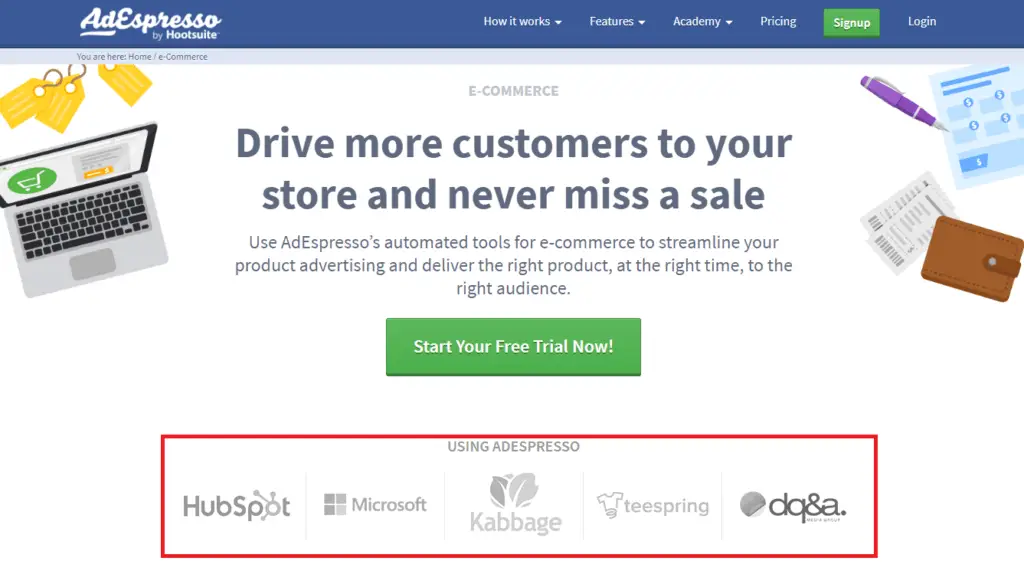
But be careful how you present them.
People have bullsh!t detectors, so try and display reviews or case studies in a convincing way.
Step #6 — try eye-catching colours
Believe it or not, the colours you use on your website can also affect your CVR.
Different colours can evoke different emotions in people, and some colours are more eye-catching than others.
For example, using red can create a sense of urgency, while green can create a feeling of calmness and trust.
Here are some common colours and what they can mean psychologically:
- Red evokes feelings of excitement, passion, and urgency. It’s often used for CTAs and can be effective at catching people’s attention.
- Blue is linked with trust, calmness, and reliability. It’s often used to convey a sense of professionalism.
- Green is associated with growth, nature, and harmony. It can be effective for brands that want to promote their eco-friendliness or sustainability.
- Yellow can evoke feelings of happiness, optimism, and warmth. It’s often used to grab people’s attention and can be effective for CTAs.
- Orange is correlated with feelings of enthusiasm, creativity, and excitement. You can use it to convey a sense of fun or playfulness.
- Purple is associated with luxury, creativity, and spirituality. It can be effective if you want to convey a sense of exclusivity or uniqueness.
- Black resembles sophistication, elegance, and power. It can be effective for brands that want to create a sense of luxury or high-end products.
- White is correlated with purity, simplicity, and cleanliness. It can be effective if you want to convey a sense of minimalism or modernity.
Keep in mind that the colours you choose should also be consistent with your brand’s overall look and feel.
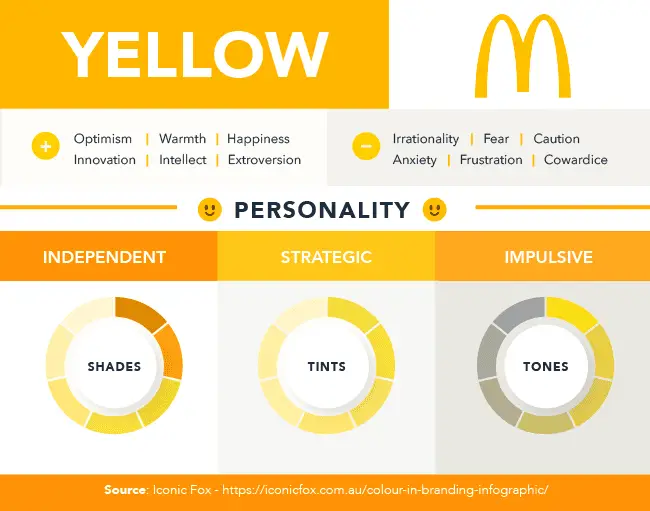
So, experiment with different colours on your CTAs and other elements of your website to see if it makes a difference to your conversion rate.
Step #7 — improve your website speed
Studies show that even a one-second delay in page load time can reduce your conversion rate by up to 7%.
Worse, if your website takes longer than 3 seconds to load, you could lose half of your visitors just like that.
Here are some tips to help you optimise your website speed and improve your CVR:
- Use a CDN to put your website on a bunch of different servers. I recommend Cloudflare.
- Use TinyPNG to make your pictures smaller so they don’t take as long to load.
- Minify your code to remove unnecessary characters and white space.
- Reduce the number of HTTP requests by combining multiple files into one.
- Get a good website host. I highly recommend Cloudways.
- Use Gzip to make your files smaller and load faster.
- Get rid of any extra stuff like plugins and scripts that slow down your website.
- Only load pictures and videos when people want to see them (e.g. Lazy Loading).
- Make your website’s code and database work better to make it faster (a dev will know how).
Step #8 — split-test everything
Finally, the most important step in improving your CVR is to run split tests.
Split testing (also known as A/B testing) is when you test two or more versions of a web page, ad, or email against each other to see which one performs better.
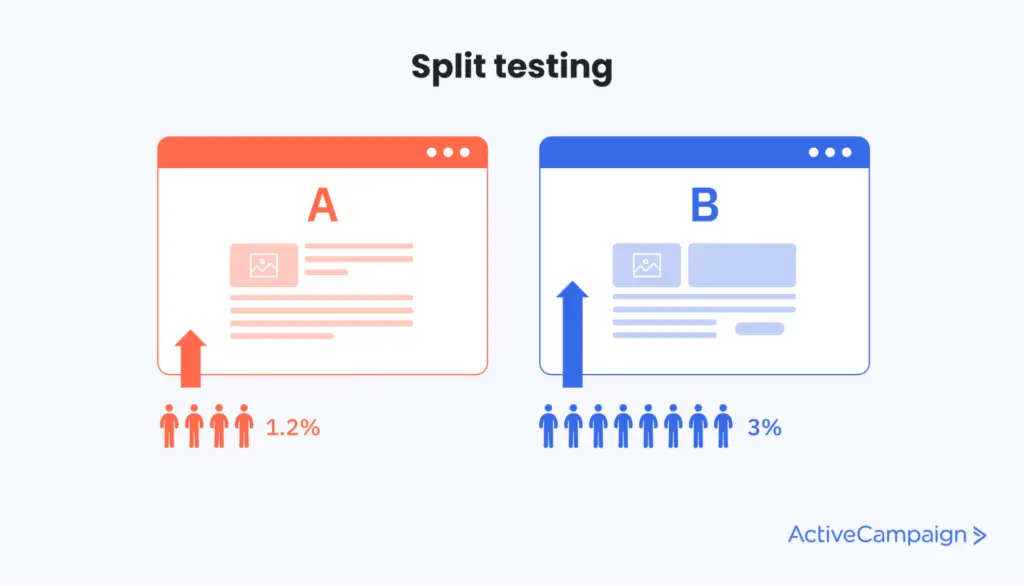
By doing split tests, you can learn what works best for your audience and make changes accordingly.
Here are some split-testing ideas:
- Test different headlines to see which one grabs people’s attention the most.
- Try different images or videos to see which ones get the most engagement.
- Test different CTAs to see which one drives the most conversions.
- Try different colours and fonts to see which ones work best.
- Test different page layouts to see which ones are the most effective.
- Try different copywriting styles to see which one resonates the most with your audience.
There are so many examples out there of successful split-testing rounds, so I recommend you take a look for inspiration.
Remember, split testing is a continuous process.
Oftentimes you’ll be shocked by what works and what doesn’t.
FAQs
What does CVR stand for in marketing?
CVR is short for Conversion Rate It’s arguably the most important metric in marketing because it tells you how many people take the desired action that you want them to take — whether that’s making a purchase, filling out a form, or downloading an e-book.
Wrapping up CVR for digital marketing
As you’ve learned, CVR marketing is a game-changer for your digital marketing.
It’s all about understanding your audience and creating a message that resonates with them.
By using the right tools and strategies, you can improve your CVR and drive more revenue for your business.
So, if you’re looking to take your online marketing to the next level, be sure to follow the checklist I’ve outlined in this guide.
Remember, optimising your conversion rate is a continuous process of testing, tweaking, and optimising.
Keep at it, and you’ll see your conversion rates soar.