
Are you tired of throwing your marketing budget into the black hole of traditional advertising methods?
The truth is, those old-school tactics just don’t cut it anymore.
Radio, television, print ads, tear-off coupons, industry magazines…they’re impersonal and ineffective.
In fact, studies show that a whopping 71% of patients are frustrated by the lack of personalisation.
And with practically everyone carrying a mobile device these days, it’s just too risky to invest blindly and hope for the best.
That’s where digital marketing comes in.
It’s the lifeblood of modern dental clinics that want to engage with their patients and build lasting relationships.
And the best part?
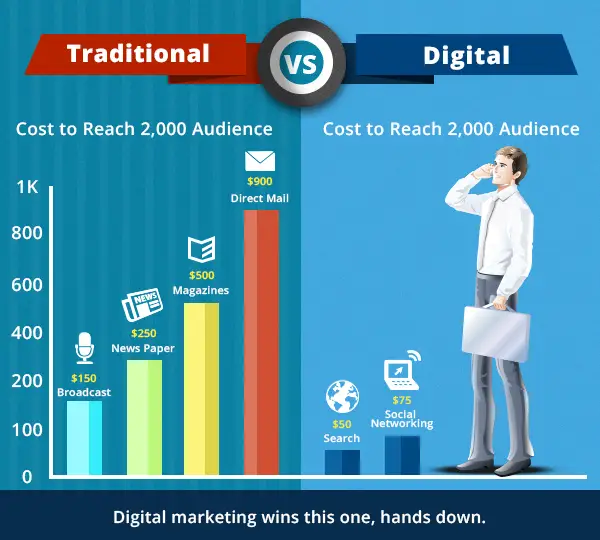
It’s way more cost-effective than those outdated methods.
Here’s the truth: simply having a website or social media presence isn’t enough.
To succeed in online marketing, you need a strategic approach.
You need to understand your target audience and create content that speaks directly to them.
And most importantly, you need to find the right channels to reach them.
It’s about finding the right ways to get your message in front of them and engaging with them on a deeper level.
But many dentists are falling short in their digital marketing efforts.
They may be utilising newer tools, but they’re not seeing the results they want.
Why?
Because they lack a strong strategy.
Without a solid strategy, your marketing efforts will fall flat.
But the good news is, there’s a solution.
While there’s no one-size-fits-all formula for success in the dental industry, this guide will point you in the right direction.
How to improve your website’s booking rate
Generating leads for your dental practice can be a breeze if you have a compelling website that attracts a consistent flow of monthly traffic.
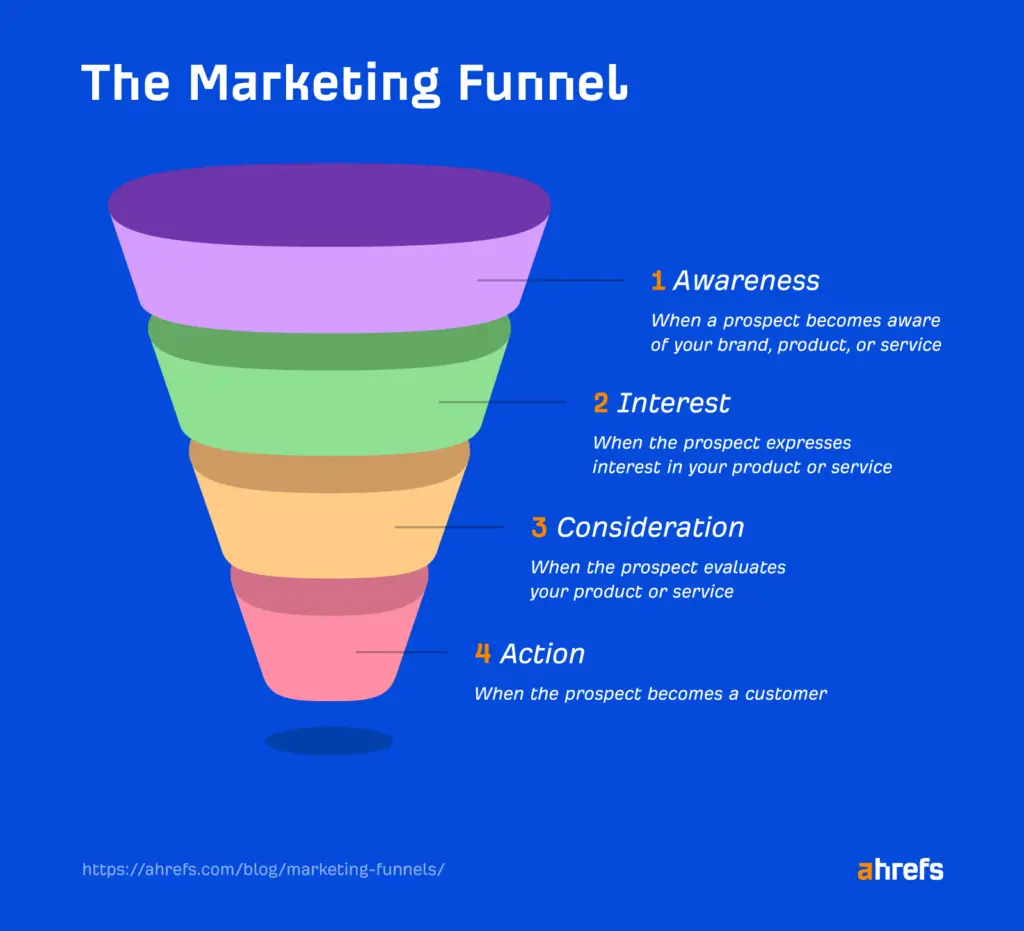
One effective way to turn that traffic into booked appointments is through the use of sales funnels.
In basic terms, that just means creating web pages that are a series of steps designed to guide visitors through the process of becoming a customer.
Now, I know what you’re thinking…
This is going to be some website pages with salesy mumbo jumbo, right?
Thankfully no.
Sales funnels are pages with the intention of guiding visitors through the process of becoming a patient.
These stages could be:
- Website visitors read an informative blog post on Invisalign.
- They click on a link that navigates to a sales page about your clinic’s Invisalign services.
- They’re compelled to book an appointment with you (whether that’s through a powerful introductory offer or just great content).
By producing high-quality blog posts, videos, or social media content, you can attract potential patients and build a loyal following.
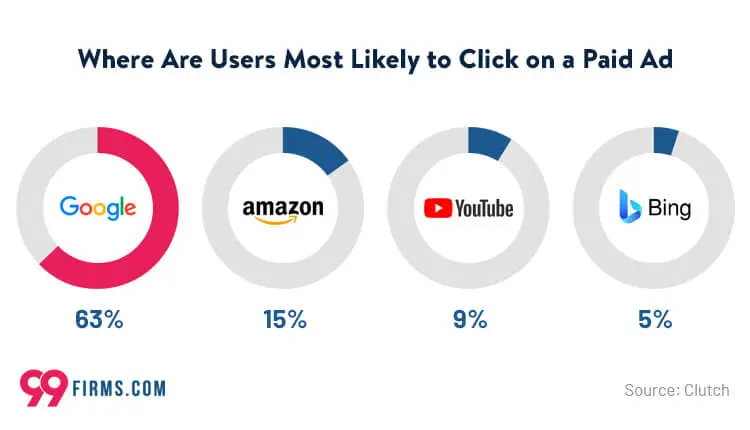
You can then leverage paid advertising (through Google Ads) to drive traffic to your website.
But if you’re finding that you’re getting the traffic but not the results, it could be that your conversion rate is too low — a common problem most dental clinics have.
Aside from making sure your website is user-friendly and easy to navigate and that your calls-to-action are specific and compelling, here are steps to improving your booking rates:
Step #1 — Create lead magnets
Lead magnets are valuable pieces of content that you provide in exchange for someone’s contact information, such as their email address.
Some common examples of lead magnets include:
- eBooks
- Cheatsheets
- Checklists
- Whitepapers
- Free Templates
- Resource Libraries
- Bonus Packs
These types of content-based lead magnets can help potential patients solve everyday problems with their teeth and build trust in your brand.
Take, for example, Herald Sway Dental Clinic’s PDF on managing dental pain at home.
This lead magnet not only provides valuable information to patients but also helps build awareness and trust in the dental practice.
By offering this lead magnet, Herald Sway Dental can attract potential customers who are more likely to sign up for their email list, and in turn, use this opportunity to collect valuable customer data for future marketing efforts.
It’s important to note that email marketing can be a powerful tool in converting leads into customers.
According to Hubspot, the majority of consumers check their email at least once daily, which means that email is a great way to reach patients.

Step #2 — Promote your lead magnets
Crafting a lead magnet is only the beginning of the journey towards attracting potential customers.
One of the most effective ways to promote your lead magnet is by embedding it within your content.
For instance, if you have a blog post about a particular topic, you can add links to your lead magnet that offer even more information on the same subject.
Additionally, you can integrate links to your lead magnet within your emails or newsletters to keep reminding potential customers of its value and benefits.
My personal favourite is to push your lead magnet using PPC for dentists.
This can dramatically lower your advertising costs, too.
Step #3 — Create an easy booking experience
Your booking rate heavily depends on how seamless and intuitive you’ve made it for users to book your services by:
- Removing unnecessary fields or questions required to complete a booking.
- Using autofill and pre-populate fields wherever possible.
- Making sure users can quickly and easily find available dates. Use a calendar or date-picker to simplify the process.
- Adopting a mobile-friendly booking process that works well on different screen sizes. Google PageSpeed Insights and the Uptrends test can help you optimise mobile experiences.
How to buy new patients using Google Ads
First, it’s important to understand how Google’s algorithms work.
Their main goal is to enhance the user experience by displaying the most relevant ads at the top of the search engine results pages.
To achieve this, Google considers factors such as the relevance of your ad copy, the keywords you choose to target, and the quality of your landing page.
The more relevant your ads are, the higher the chances that they’ll appear at the top of the search results.
This is also known as your “Quality Score”.
One of the great things about Google Ads is that you have a lot of control over where and when your ads appear.
You can choose which websites or categories you want your ads to appear on, and even limit them to specific devices like desktop computers, tablets, or mobile phones.
But what’s even better is that you can set a budget for each ad, website, or category, giving you more control over your advertising spend.
This means you can create targeted campaigns that are more likely to reach your ideal patients without overspending.
To make the most out of Google Ads, it’s crucial to select the right targeting options and set a budget that aligns with your business goals.
How to find the right keywords to use in your ads
Discovering the perfect keywords for your ads can significantly impact your campaign’s success.
Here are some easy-to-follow steps that can help:
Step 1: Brainstorm a list of search terms
This could be things that patients are typing into Google to find your services or are researching trending dental topics.
Step 2: Use a keyword research tool
Google Keyword Planner allows you to see how many people are searching for each term.
This will give you an idea of the popularity of each keyword and can help you prioritise which ones to focus on.
Step 3: Keep in mind that not all keywords are created equal
Some may be more competitive than others, which can drive up the cost per click.
Keywords that have commercial or transactional intent, like “dentist near me” or “invisalign services,” are often more expensive because they’re valuable to other dental practises.
Following these steps, you can find the perfect keywords for your ad campaign and set yourself up for success.
Using analytics to inform your decisions
With Google Analytics conversion tracking, you can see how many users click on your ads and complete a desired action on your website, such as filling out a form.
It’s a great way to understand how patients behave on your website.
Allowing you to gain insights like:
- Which ads are getting the most engagement?
- Which blog posts lead to booked appointments?
- Which demographics are likely to convert into new patients?
This is an essential component of your digital marketing.
But it’s understandable that you may not have the time to get into all this.
That’s why it’s important to consider hiring a marketing consultant if you’re short on time and need results.
How pairing SEO with your ads can help you save more
Unlike paid ads, SEO (Search Engine Optimisation) efforts can continue to drive traffic to your website even after you stop running ads.
SEO’s long-term benefits far outweigh its potential costs and can lead to massive savings.
This can lead to a continuous supply of website visitors and, ultimately, more patients for your clinic.
You just have to do it right.
SEO efforts can make it easier for existing customers and referrals to find information about your clinic online.
You can improve local SEO rankings by optimising your online profile, like Google My Business.
Adding reviews from happy clients on social media sites like Facebook or Yelp can also help.
Investing in SEO is a great way to grow your patient base and increase revenue over time without relying solely on paid ads campaigns.
Additionally, organic traffic generated from SEO efforts is often seen as more valuable than paid traffic, as it’s based on the relevance and authority of a website.
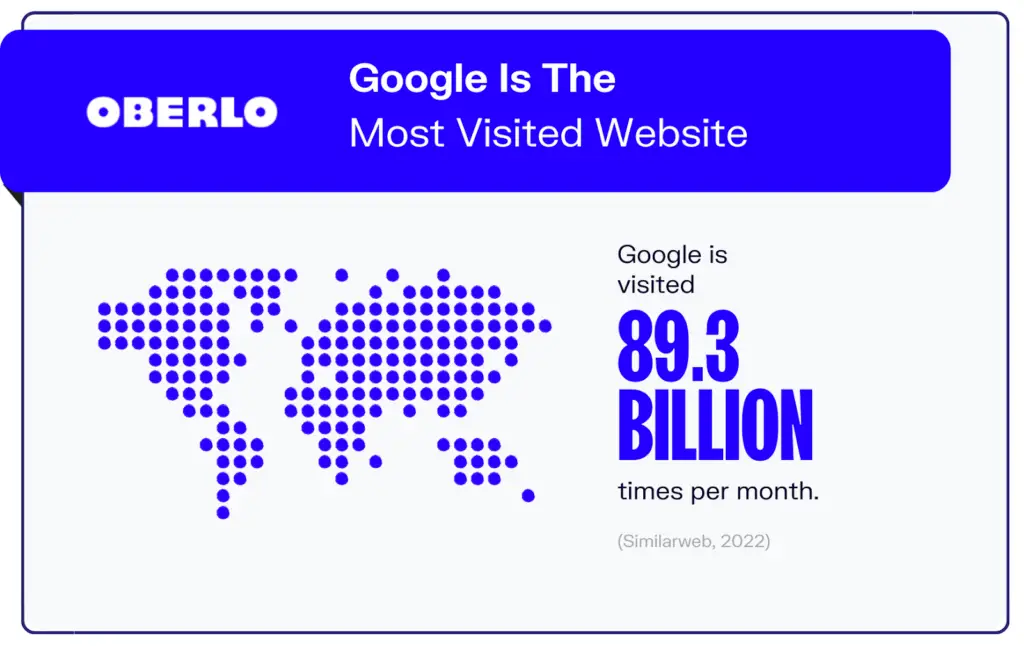
3 ways you can implement SEO
It’s important to keep a few things in mind when considering SEO.
Method #1 — Optimising your website for google
This can get a little tricky, so I do recommend hiring an SEO consultant first.
But let’s talk about the basics.
When people search for information on Google, they use keywords that relate to their query.
If your website has those keywords in its content, it’s more likely to appear in their search results.
Google values websites that provide users with quality, accurate, and relevant information.
So, it’s important to make sure that your website’s content is up-to-date and helpful to users.
Additionally, regularly updating your website with fresh content shows Google that you’re actively managing it and providing new information.
This involves technical aspects like using relevant keywords, creating high-quality content, optimising your website’s speed, and making sure it’s mobile-friendly.
Google likes websites that give users quality, accurate, and relevant information.
Google also values websites regularly updated with new content, showing that they are actively managed and provide fresh information.
Another aspect to consider is your website’s speed.
Google prefers websites that load quickly because users want to access information fast.
So, optimising your website’s speed can improve your website’s ranking on Google.
Lastly, ensuring that your website is mobile-friendly is no longer optional.
More and more people are using their mobile devices to access information on the internet.
If your website isn’t mobile-friendly, it can affect your website’s visibility on Google and user experience.
Method #2 — Building high-quality backlinks
In the world of SEO, backlinks are like votes of confidence that signal to search engines that your website is high-quality.
Imagine you’re applying for a job, and you have someone who can vouch for you.
That reference is kind of like a backlink.
Where other people are saying that you’re legit.
For SEO, that means that other websites are linking back to yours (whether in their blog posts or other pages).
Now, there are several ways to get backlinks, but the most common is to either pay for them or earn them by exchanging value.
For instance, you could write an exceptional guide on the scientific benefits of getting Invisalign.
This could attract links from other bloggers who want to reference your guide.
If you’re considering buying backlinks, you could look for a great article on another website that’s relevant to a service you offer, such as Invisalign.
Then, you could reach out to the owner and ask to buy a link in their article.
But this can get expensive.
According to Ahrefs, buying a link usually costs around USD 361.44.
That’s why I recommend offering high-quality guest posts, which you can find more information about here.
Method #3 — Developing a keyword and content strategy
Let’s say you operate a dental clinic in Melbourne and offer teeth whitening services.
By developing a content strategy focused on creating high-quality blog posts and commercial pages for the term “teeth whitening in Melbourne,” you can begin to show up for that search term in Google.
This would mean that whenever someone typed this into Google, your clinic would come up if you’ve worked hard on your SEO.
But before you can create a keyword strategy, you need to do some keyword research.
Now, we already spoke about finding keywords on Google Keyword Planner.
But SEO keywords are slightly different from Google Ads keywords.
You see, there are tools out there that are purely for SEO purposes that serve more accurate data.
For developing an SEO keyword strategy, Ahrefs, and Semrush are my go-to tools.
While Google Keyword Planner is better for Google Ads keyword planning.
By developing an effective keyword and content strategy, you can increase your visibility in search engine results pages (SERPs) and attract more potential customers to your business.
Three online marketing sins to avoid
Regarding online marketing for dentists, there are a few things to avoid.
Sin #1 — Running ads on irrelevant pages
The other day, I saw an ad for a local dental clinic offering a free Invisalign consultation.
When I clicked on the ad, it took me to the clinic’s homepage, but the homepage didn’t show anything about the ad’s free consultation.
At this point, most potential patients will leave the page.
This is because the ad didn’t lead to a page related to the promise of the ad, e.g., an Invisalign page offering the promotion.
Don’t get me wrong, it’s ok to run ads to your homepage as long as it’s easy to find what the website visitor is looking for.
They’ll typically leave the website if they can’t find what they’re looking for in a few clicks.
To avoid this, make sure that the page your visitors end up on is consistent with the ad they clicked on.
Using consistent language, imagery, and design for your ads and the target page is good practice.
For example, if the ad includes a video of one of your lead dentists talking about dental problems, the same dentist should be featured on the landing page.
Oh, and one other thing — it’s important not to come across as too pushy or “salesy” on your landing page.
A salesy tone is off-putting and signals to people that you’re not genuine.
Sin #2 — Failing to keep track of results
Many dental clinics make the mistake of not monitoring their conversions, patient acquisition costs, retention rates, and other critical metrics.
This can lead to wasted resources, missed opportunities, and even the downfall of your practice.
Why is failing to track your results a bad thing?
Well, if you don’t know what’s working and what’s not, how can you make informed decisions about where to allocate your time and resources?
How can you identify areas where you need to improve?
Without tracking your results, you’re essentially flying blind.
The good news is that there are plenty of ways to track your results and stay on top of your metrics.
One simple approach is to use a spreadsheet to record your data.
This can include information on the number of new patients you’re acquiring each month, the cost of acquiring those patients, and the lifetime value of each patient.
Another approach is to use software specifically designed for tracking metrics in the dental industry, like WhatConverts.
There are many options available, each with its own unique features and benefits.
Some of these tools can help you track your marketing campaigns, monitor your patient satisfaction levels, and even track your staff’s performance.
Sin #3 — Neglecting user experience
Your website is the central hub of your digital presence, and it’s often the first impression that potential patients have of your dental clinic.
A poor website experience can cause potential patients to lose interest quickly and turn to your competition.
So, what can you do to optimise the user experience?
Fix your website’s structure
A poorly structured website can make it difficult for Google to crawl and index your site, resulting in poor rankings and reduced visibility.
Broken links or images throughout your site can also contribute to poor structure.
To improve your website’s structure, start by using a tool like Screaming Frog.
It’s free and easy to use.
It tells you what you need to fix on your website.
Slow page load times
Google considers page speed as one of the essential ranking factors.
So, how fast should your website be?
Experts recommend that your website should load within 2-4 seconds.
Most people will leave your website if it takes longer than 4 seconds to load.
Your website conversion rates can drop by an average of 4.42% with each extra second of load time.
As a solution, you can compress images, use a content delivery network like Cloudflare, and minimise HTTP requests.
You can also check how your website is performing through Google’s PageSpeed Insights, GTMetrix, and Pingdom Tools.
Duplicate content (content that appears on multiple pages of your website)
Duplicate content is content that appears on multiple pages of your website.
While it may seem like a good idea to repurpose content to save time, it can actually harm your website’s search engine rankings.
This is because it can confuse search engines, which may struggle to identify which page is the original source of the content.
To avoid any potential punishment from search engines like Google, it’s essential to find and fix any duplicate content on your site.
You can either delete it, rewrite it, or add a canonical tag to point search engines to the original source of the content.
Missing or incorrect meta tags (website’s title, description, keywords, language, and author)
Similarly, missing or incorrect meta tags can also negatively impact your website’s visibility and search engine rankings.
Meta tags, such as title tags, meta descriptions, keywords, language, and author information, provide search engines with vital information about your website’s content.
They help search engines accurately index your pages and determine their relevance to search queries.
Broken links (pages that no longer exist)

Some of the most common examples include the notorious 401 error.
This can occur when you move or delete a page and the link pointing to it isn’t updated.
To avoid this, check for broken links and fix them immediately.
Tools like Screaming Frog and Semrush are great for finding SEO issues and can simplify your technical SEO process.
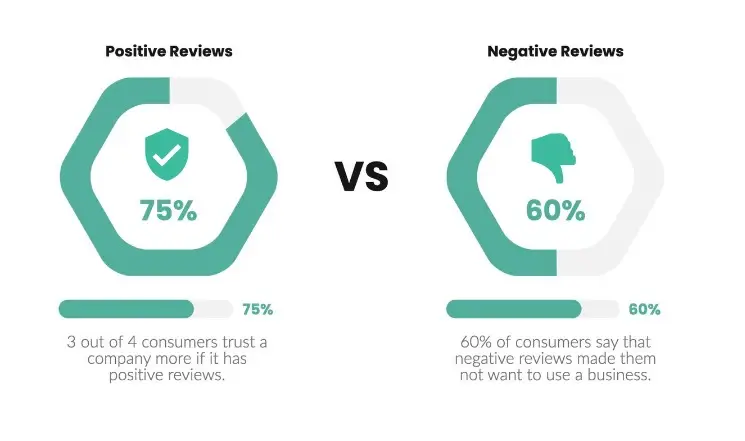
Your online reputation matters
If you own a dental practice, then you know how important online reputation is.
You can have the best skills and services, but if you lack an online presence or have negative reviews, then it can hurt your practice’s growth and revenue.
Online reviews and ratings can make or break your reputation.
Getting positive customer reviews can be a big boost for your dental practice.
It helps boost your reputation and increases your visibility on the results pages.
How to get more 5-star reviews
Make it easy for customers to leave a review
First things first, it’s essential to make it easy for your customers to leave a review.
Many people shy away from leaving reviews because of complex review processes.
So, simplify the steps, give specific instructions, and offer helpful resources to guide people through the process.
This will increase the likelihood of getting more reviews.
Timing is key
Next, timing is everything when asking for a review.
Ask for a review at the right time, such as after a patient tells you their appointment went well.
The fresh memory of the positive experience will prompt them to leave a great review.
Write reviews on behalf of patients
Finding the time to write a review takes a certain amount of mental bandwidth.
So the easier you make it for patients to copy-paste a review, the higher-chance you have of building up your reviews.
Although it’s unorthodox, I recommend clients write reviews on behalf of patients (using ChatGPT or equivalent) based on the patient’s experience.
This can take your receptionist an extra few minutes out of their day, but it works wonders if you get it right.
Patients appreciate a simple process that saves them time in the day.
After you’ve written the review on behalf of the client, you need to be delicate in how you ask them to post it on your Google My Business profile.
I recommend being as humble as possible while offering them the review as a sample to make their lives’ easier.
It’s best that the dentist explains which patient would likely leave a review so as not to upset already disgruntled patients.
What you can learn from your churn
Are you noticing that some of your patients never come back?
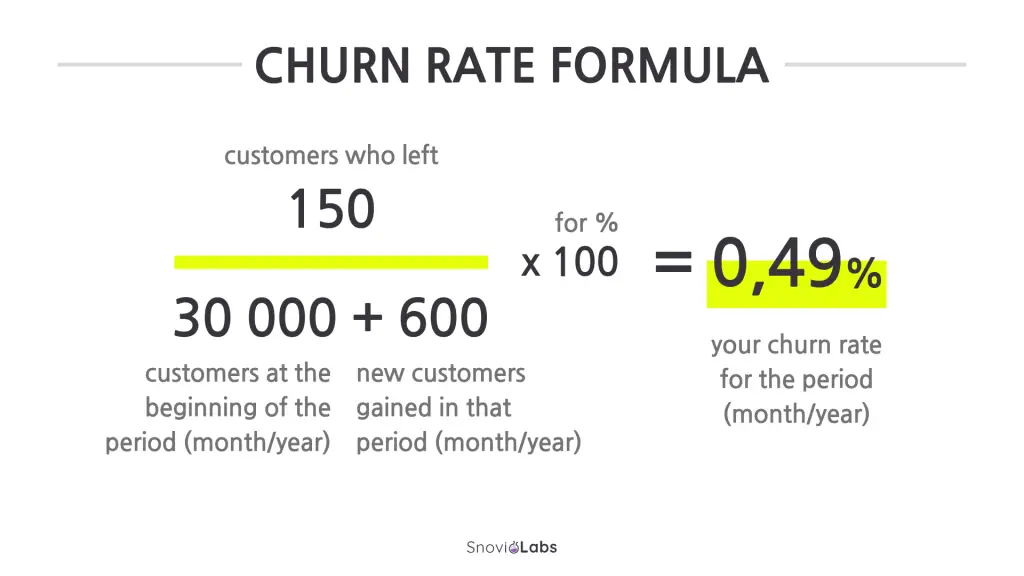
This could be a sign that it’s time to analyse your churn rate.
Churn rate measures the percentage of customers who stop using a product or service within a specific period.
For dental practices, this means the percentage of patients who stop coming to your clinic.
Analysing your churn rate can help you identify patterns among patients who are leaving.
- Are they dissatisfied with the level of care they are receiving?
- Are they having difficulty booking appointments or finding your clinic?
To reduce your churn rate, you need to focus on your customer experience.
Patients want to feel valued, comfortable, and well-informed.
This means taking the time to explain procedures, answering questions, and making patients feel at ease.
Your front desk staff also plays a crucial role in welcoming and valuing patients.
By greeting patients warmly and helping them every step of the way, you can make a significant impact on their overall experience.
Even a simple email or phone call from your staff can show patients that you care about their well-being and dental health.
By focusing on customer experience and reducing churn rates, you can build a loyal patient base and grow your practice over time.
So, take the time to analyse your churn rate and make the necessary changes to improve your patients’ experience.
Remember, a happy patient is a loyal patient.
Here’s how you can calculate your churn:
How to improve no-show rates using automation
First off, sending reminders is a super simple yet effective way to make sure that your customers show up to their appointments.
You can do this using various methods like email, text, or even a mobile app.
And don’t worry, you don’t have to manually send out these reminders one by one.
That’s where automation comes in.
With the right software, you can automate the entire process and focus on other important aspects of your business.
There’s a handy tool I use for this called GoHighLevel.
It’s super user-friendly and easy to set up, even for those who aren’t tech-savvy.
It’s a lifesaver, especially if you have a high volume of appointments and need to send out a bunch of reminders every day.
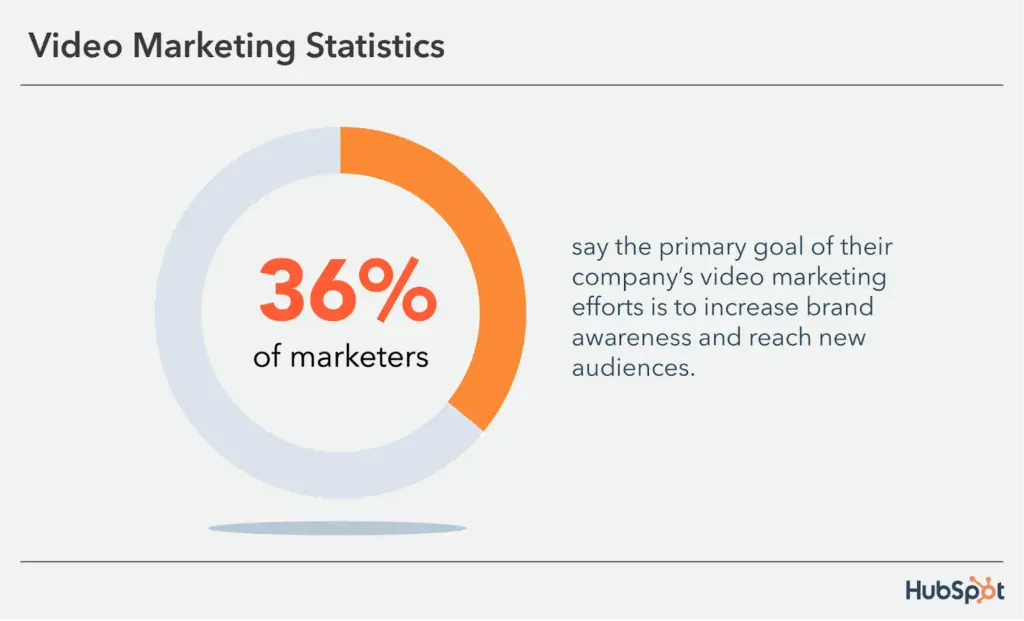
Educate your patients through videos
Using interactive video tutorials, you can educate your patients on the services you offer in a fun and engaging way.
Video can help simplify complex concepts and procedures, making it easier for your patients to understand what you do.
By showcasing customer testimonials in your videos, potential patients can get an idea of the quality of care they can expect from your practice.
But video marketing doesn’t stop there.
You can also use videos to introduce your staff members and give your practice a more personable feel.
By highlighting the people behind the practice, you can build a stronger connection with your patients and make them feel more at ease.
If you’re wondering how to get started with video marketing, take a look at this dental practice’s YouTube video.
Futudent’s video demonstrates a bridge preparation procedure, giving their audience a behind-the-scenes look at what goes on in the practice.
By showing your patients what happens during procedures, you can help alleviate their fears and build trust.
Marketing is about consistency — get 1% better every day
Marketing is all about being consistent and striving for continuous improvement.
It’s about taking small steps every day to move your business forward.
By consistently delivering high-quality content and messaging, you can build trust with your customers and stand out from the competition.
However, with the constant evolution of technology and ever-changing search engine algorithms, it can be challenging to stay ahead of the game.
That’s why hiring a dental marketing consultant might be the right move for you.
If you don’t have the time or energy to DIY your marketing efforts, a consultant can help you run your operations more efficiently.
They can provide an objective assessment of your strategy and identify areas for improvement.
In addition to strategy, consultants can also help automate routine tasks, freeing up your time to focus on other aspects of your business.
With marketing automation, you can increase your sales productivity by 14.5% and reduce marketing overhead by 12.2%.
So, if you’re looking to take your dental marketing efforts to the next level, consider working with a consultant.
They can provide valuable insights and help you achieve your business goals.
Remember, it’s all about being consistent and striving for improvement every day.