
#1 Proven PPC For Dentists
Fill Your ChairWith 3X PatientsWho ActuallyShow UpFill Your Chair With 3X PatientsWho Actually Show Up
Does your dental marketing agency give you vague explanations, poor reports, and lacklustre results? Here's the new way to run profitable PPC for dentists.












Sick of dental digital marketing
agencies overcharging and underdelivering?
Dear dental practice owner, it sucks when people take advantage of you. Especially the dental PPC agency you hired. No matter how legit they sound, with their bells and whistles and "real" video testimonials, they still manage to let you down.
Their go-to strategies are to discount your services — cheapening your dental practice's services and making your competitors look better.
As Featured In
Why dental practices trust us with their PPC campaigns
Aviv
Business Owner
%20-%20https://sketchapp.com%20--%3e%3cg%20id='Trustpilot_ratings_5star-RGB'%20stroke='none'%20stroke-width='1'%20fill='none'%20fill-rule='evenodd'%3e%3cg%20fill-rule='nonzero'%3e%3crect%20id='Rectangle-path'%20fill='%2300B67A'%20x='0'%20y='0'%20width='96'%20height='96'%3e%3c/rect%3e%3crect%20id='Rectangle-path'%20fill='%2300B67A'%20x='104'%20y='0'%20width='96'%20height='96'%3e%3c/rect%3e%3crect%20id='Rectangle-path'%20fill='%2300B67A'%20x='208'%20y='0'%20width='96'%20height='96'%3e%3c/rect%3e%3crect%20id='Rectangle-path'%20fill='%2300B67A'%20x='312'%20y='0'%20width='96'%20height='96'%3e%3c/rect%3e%3crect%20id='Rectangle-path'%20fill='%2300B67A'%20x='416'%20y='0'%20width='96'%20height='96'%3e%3c/rect%3e%3cpath%20d='M48,64.7%20L62.6,61%20L68.7,79.8%20L48,64.7%20Z%20M81.6,40.4%20L55.9,40.4%20L48,16.2%20L40.1,40.4%20L14.4,40.4%20L35.2,55.4%20L27.3,79.6%20L48.1,64.6%20L60.9,55.4%20L81.6,40.4%20L81.6,40.4%20L81.6,40.4%20L81.6,40.4%20Z'%20id='Shape'%20fill='%23FFFFFF'%3e%3c/path%3e%3cpath%20d='M152,64.7%20L166.6,61%20L172.7,79.8%20L152,64.7%20Z%20M185.6,40.4%20L159.9,40.4%20L152,16.2%20L144.1,40.4%20L118.4,40.4%20L139.2,55.4%20L131.3,79.6%20L152.1,64.6%20L164.9,55.4%20L185.6,40.4%20L185.6,40.4%20L185.6,40.4%20L185.6,40.4%20Z'%20id='Shape'%20fill='%23FFFFFF'%3e%3c/path%3e%3cpath%20d='M256,64.7%20L270.6,61%20L276.7,79.8%20L256,64.7%20Z%20M289.6,40.4%20L263.9,40.4%20L256,16.2%20L248.1,40.4%20L222.4,40.4%20L243.2,55.4%20L235.3,79.6%20L256.1,64.6%20L268.9,55.4%20L289.6,40.4%20L289.6,40.4%20L289.6,40.4%20L289.6,40.4%20Z'%20id='Shape'%20fill='%23FFFFFF'%3e%3c/path%3e%3cpath%20d='M360,64.7%20L374.6,61%20L380.7,79.8%20L360,64.7%20Z%20M393.6,40.4%20L367.9,40.4%20L360,16.2%20L352.1,40.4%20L326.4,40.4%20L347.2,55.4%20L339.3,79.6%20L360.1,64.6%20L372.9,55.4%20L393.6,40.4%20L393.6,40.4%20L393.6,40.4%20L393.6,40.4%20Z'%20id='Shape'%20fill='%23FFFFFF'%3e%3c/path%3e%3cpath%20d='M464,64.7%20L478.6,61%20L484.7,79.8%20L464,64.7%20Z%20M497.6,40.4%20L471.9,40.4%20L464,16.2%20L456.1,40.4%20L430.4,40.4%20L451.2,55.4%20L443.3,79.6%20L464.1,64.6%20L476.9,55.4%20L497.6,40.4%20L497.6,40.4%20L497.6,40.4%20L497.6,40.4%20Z'%20id='Shape'%20fill='%23FFFFFF'%3e%3c/path%3e%3c/g%3e%3c/g%3e%3c/svg%3e)
November 2024
After spending $3,000,000 on Google Ads I can say this guy knows what he is doing and doing it well!
Dustin Howell
Business Owner
October 2024
What stood out was his genuine and sincerity. After bad experiences with other agencies, finally found someone who actually wants us to succeed.
Felista Njoroge
Business Owner
September 2024
I've learned more in a few months than years trying to figure it out on my own. Actually explains the why behind changes.
Gareth Edwards
Business Owner
August 2024
6 months in and we're ranking for search terms that actually bring clients, not just browsers.
Avallene Reid
Business Owner
July 2024
Set up proper tracking and refined our landing pages. Finally know what's working.
Nick Bradshaw
Business Owner
June 2024
Taught us shortcuts that saved time and money. Was completely clueless before working with Josiah.
Arsen Markov
Business Owner
May 2024
Pointed out small things wasting our ad spend. No fluff, straight to the point.
Mark Wilson
Business Owner
April 2024
Supportive community too. No confusion, just steady progress.
Jitender Singh
Business Owner
March 2024
The breakdown showed exactly where I was losing leads. Eye-opening experience.
Uzair Ahmed
Business Owner
February 2024
Started seeing cheaper clicks within a week of implementing the changes.
Michael Chen
Physio Clinic Director
January 2025
We went from calling patients to remind them about appointments to having a 3-week waitlist. Staff couldn't believe it.
Dr. Lisa Palmer
Dentist
September 2024
Patients now book online instead of calling to 'ask questions first'. Higher quality, less time-wasters.
Sarah Thompson
Family Law Partner
July 2024
Other agencies don't understand legal compliance. These guys did. First time I didn't have to micromanage ad copy.
Peter Smith
Broker Principal
June 2024
I was spending $3k/month with no idea what was working. Now I know exactly which campaigns bring loans.
James Mitchell
Electrician Owner
July 2024
Getting calls from our actual service area now. Sounds basic but our last agency couldn't figure this out.
Kevin Park
Online Store Owner
March 2025
Accountant noticed before I did. Revenue up 34%, marketing costs down. Only metric that matters.
Aviv
Business Owner
November 2024
After spending $3,000,000 on Google Ads I can say this guy knows what he is doing and doing it well!
Dustin Howell
Business Owner
October 2024
What stood out was his genuine and sincerity. After bad experiences with other agencies, finally found someone who actually wants us to succeed.
Felista Njoroge
Business Owner
September 2024
I've learned more in a few months than years trying to figure it out on my own. Actually explains the why behind changes.
Gareth Edwards
Business Owner
August 2024
6 months in and we're ranking for search terms that actually bring clients, not just browsers.
Avallene Reid
Business Owner
July 2024
Set up proper tracking and refined our landing pages. Finally know what's working.
Nick Bradshaw
Business Owner
June 2024
Taught us shortcuts that saved time and money. Was completely clueless before working with Josiah.
Arsen Markov
Business Owner
May 2024
Pointed out small things wasting our ad spend. No fluff, straight to the point.
Mark Wilson
Business Owner
April 2024
Supportive community too. No confusion, just steady progress.
Jitender Singh
Business Owner
March 2024
The breakdown showed exactly where I was losing leads. Eye-opening experience.
Uzair Ahmed
Business Owner
February 2024
Started seeing cheaper clicks within a week of implementing the changes.
Michael Chen
Physio Clinic Director
January 2025
We went from calling patients to remind them about appointments to having a 3-week waitlist. Staff couldn't believe it.
Dr. Lisa Palmer
Dentist
September 2024
Patients now book online instead of calling to 'ask questions first'. Higher quality, less time-wasters.
Sarah Thompson
Family Law Partner
July 2024
Other agencies don't understand legal compliance. These guys did. First time I didn't have to micromanage ad copy.
Peter Smith
Broker Principal
June 2024
I was spending $3k/month with no idea what was working. Now I know exactly which campaigns bring loans.
James Mitchell
Electrician Owner
July 2024
Getting calls from our actual service area now. Sounds basic but our last agency couldn't figure this out.
Kevin Park
Online Store Owner
March 2025
Accountant noticed before I did. Revenue up 34%, marketing costs down. Only metric that matters.
Mitch
Business Owner
January 2024
The strategy session alone was worth it. Walked away with actionable steps I could implement immediately.
Federico
Business Owner
December 2023
Finally someone who speaks my language. No marketing jargon.
Lam
Business Owner
November 2023
ROI positive within 60 days. The approach is methodical and data-driven.
Anders
Business Owner
October 2023
Honest about what would and wouldn't work for our niche. Refreshing after dealing with agencies who promise everything.
Zaim
Business Owner
September 2023
The audit revealed issues our previous agency never mentioned. Now we know where the leaks were.
Jake
Business Owner
August 2023
Went from losing money on ads to profitable in under 3 months. The process just works.
Emily Roberts
Physio Clinic Owner
March 2025
Had my first fully booked week in March. Then April. Now it's just... normal. Weird to type that.
David Nguyen
Sports Physio
December 2023
My associate asked why our phones suddenly won't stop ringing. Had to explain we finally hired someone competent.
Dr. Michael Torres
Dental Group Owner
August 2023
Opened our second location last year. Wouldn't have had the confidence without the first year's results.
Chris Davis
Commercial Lawyer
August 2024
Referred my colleague at another firm. She's getting similar results. That's when you know it's not luck.
James Robertson
Property Lawyer
March 2024
I was skeptical. Lawyers and marketing feel like oil and water. But the inquiries speak for themselves.
Laura Martinez
Broker Director
January 2022
Pre-approval inquiries more than doubled. Quality leads too, not people with no deposit asking questions.
Nathan Price
Plumbing Company Owner
June 2023
We service 4 suburbs now instead of 12. Sounds backwards but profit went up. Better targeting.
Karen Williams
Plumbing Group
May 2024
Emergency callouts went up 40% after we fixed our mobile ads. Turns out our old ads didn't even show on phones.
Amanda Wilson
E-commerce Director
April 2025
High-ticket product inquiries up. Premium buyers, not just browsers.
Mitch
Business Owner
January 2024
The strategy session alone was worth it. Walked away with actionable steps I could implement immediately.
Federico
Business Owner
December 2023
Finally someone who speaks my language. No marketing jargon.
Lam
Business Owner
November 2023
ROI positive within 60 days. The approach is methodical and data-driven.
Anders
Business Owner
October 2023
Honest about what would and wouldn't work for our niche. Refreshing after dealing with agencies who promise everything.
Zaim
Business Owner
September 2023
The audit revealed issues our previous agency never mentioned. Now we know where the leaks were.
Jake
Business Owner
August 2023
Went from losing money on ads to profitable in under 3 months. The process just works.
Emily Roberts
Physio Clinic Owner
March 2025
Had my first fully booked week in March. Then April. Now it's just... normal. Weird to type that.
David Nguyen
Sports Physio
December 2023
My associate asked why our phones suddenly won't stop ringing. Had to explain we finally hired someone competent.
Dr. Michael Torres
Dental Group Owner
August 2023
Opened our second location last year. Wouldn't have had the confidence without the first year's results.
Chris Davis
Commercial Lawyer
August 2024
Referred my colleague at another firm. She's getting similar results. That's when you know it's not luck.
James Robertson
Property Lawyer
March 2024
I was skeptical. Lawyers and marketing feel like oil and water. But the inquiries speak for themselves.
Laura Martinez
Broker Director
January 2022
Pre-approval inquiries more than doubled. Quality leads too, not people with no deposit asking questions.
Nathan Price
Plumbing Company Owner
June 2023
We service 4 suburbs now instead of 12. Sounds backwards but profit went up. Better targeting.
Karen Williams
Plumbing Group
May 2024
Emergency callouts went up 40% after we fixed our mobile ads. Turns out our old ads didn't even show on phones.
Amanda Wilson
E-commerce Director
April 2025
High-ticket product inquiries up. Premium buyers, not just browsers.
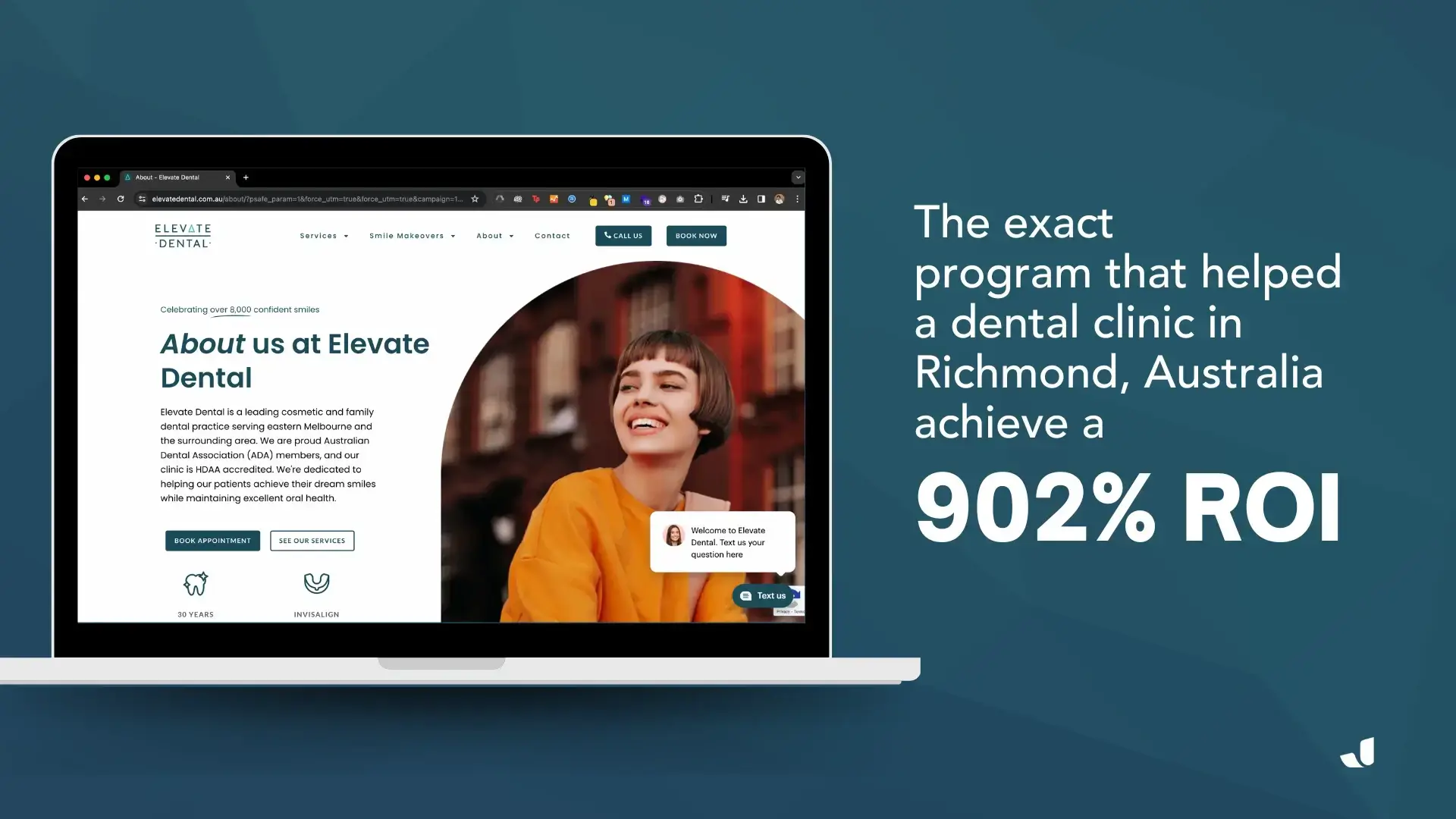
Meet the dental clinic that got an extra
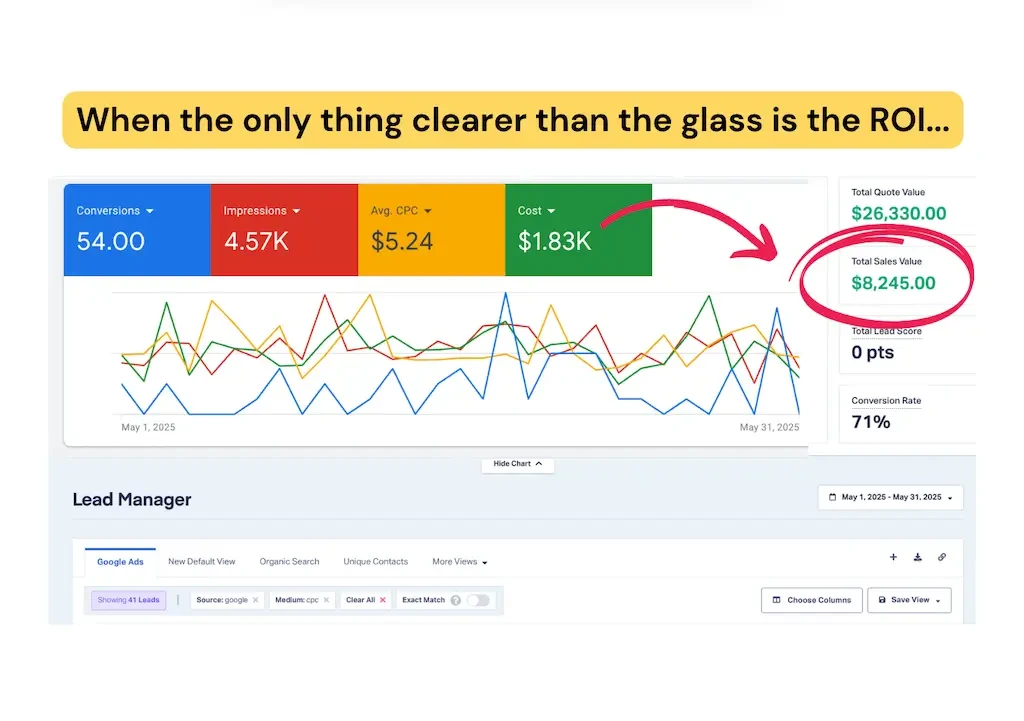
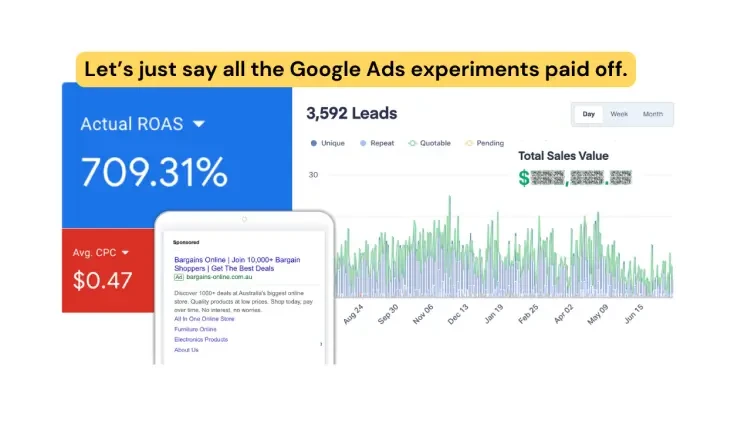
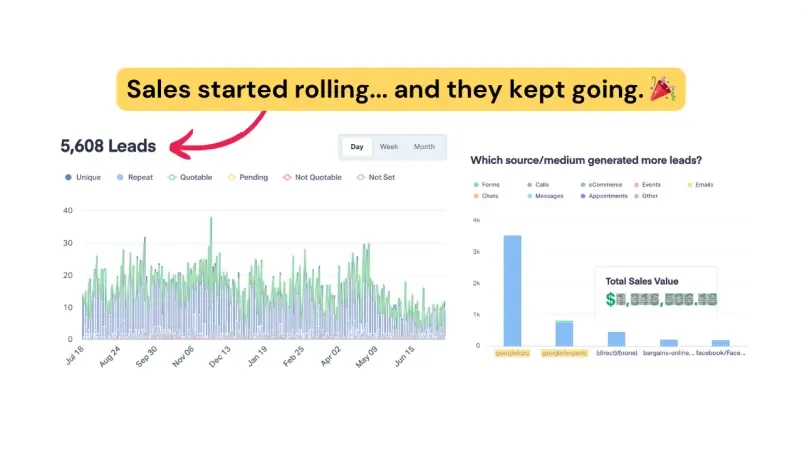
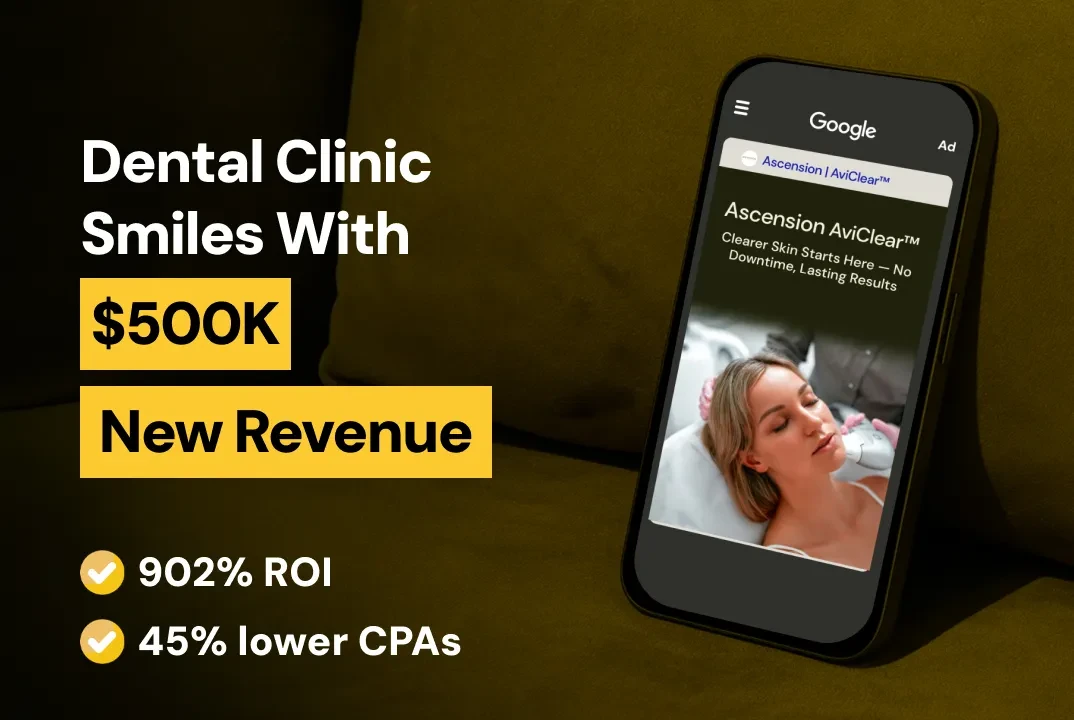
$500k in revenue in less than 1 year
When Elevate Dental first came to us, they had already been burned by two dental marketing agencies. It was obvious that they had not seen any real success from their digital marketing efforts, despite the fact that these agencies specialised in just web marketing for dentists.
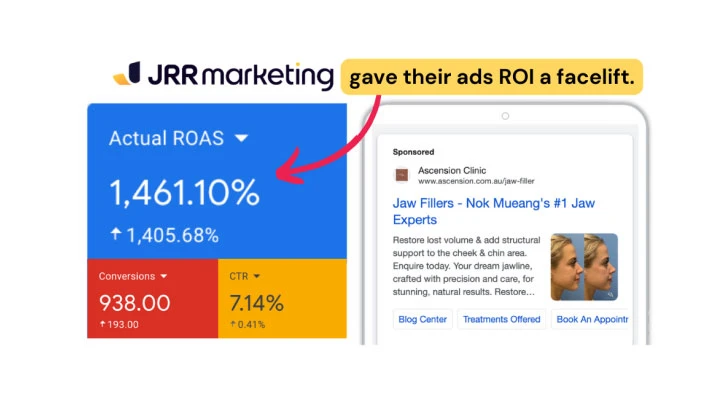
Learn more about how they hired a dedicated Google Ads specialist to get an insane return of 900%.
Why JRR Marketing over an agency?
| What you get | Recommended  | |
|---|---|---|
| Unlimited Google AdsUnlimited Google Ads, done-for-you | ||
| Unlimited SEO + pagesUnlimited SEO + AI-built pages | ||
| Live ROI dashboard24/7 real-time ROI dashboard | ||
| Tracks real revenueTracks real revenue, not clicks | ||
| Click-fraud protectionBuilt-in click-fraud protection | ||
| A/B tests every 2 wksFresh A/B tests every 2 weeks | ||
| Reports every 2 wksReports every 2 weeks, not monthly | ||
| More hours on youMore hours on your account | ||
| You own everythingYou own every account & asset | ||
| Flat fee, 0% of spendFlat fee, 0% of ad spend | ||
| 90-day guarantee90-day money-back guarantee | ||
| Pricing |










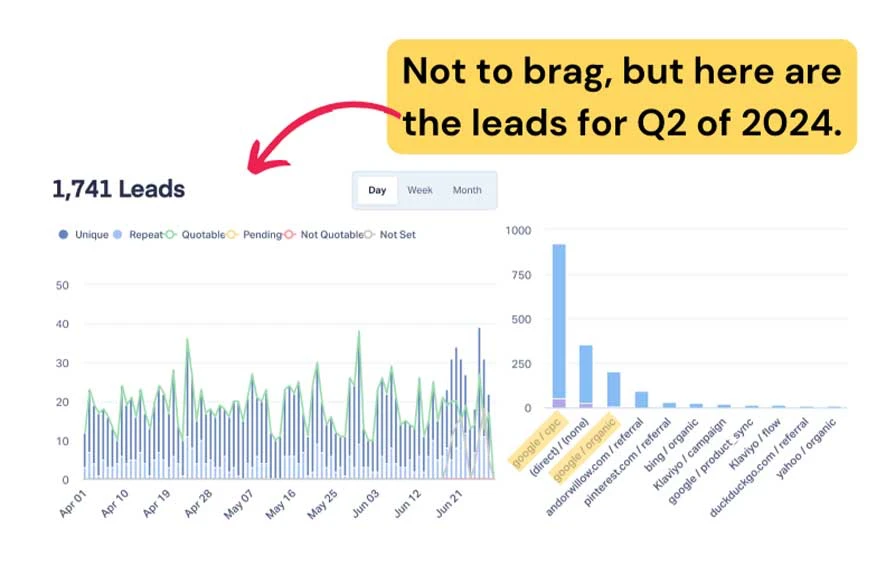
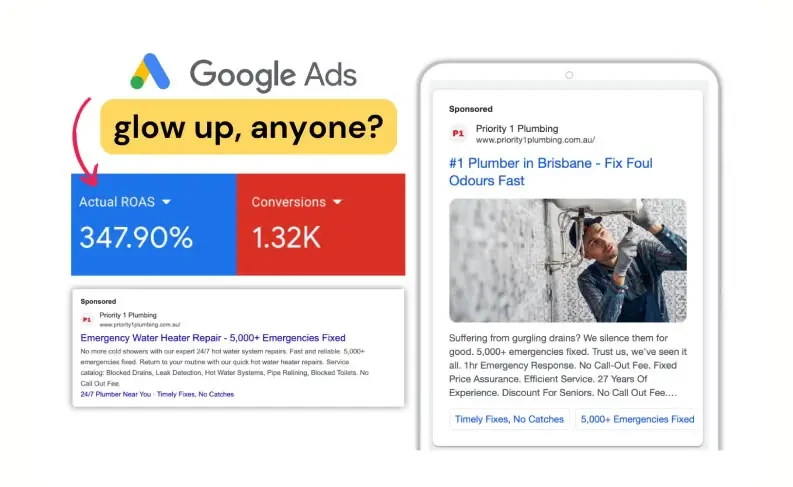
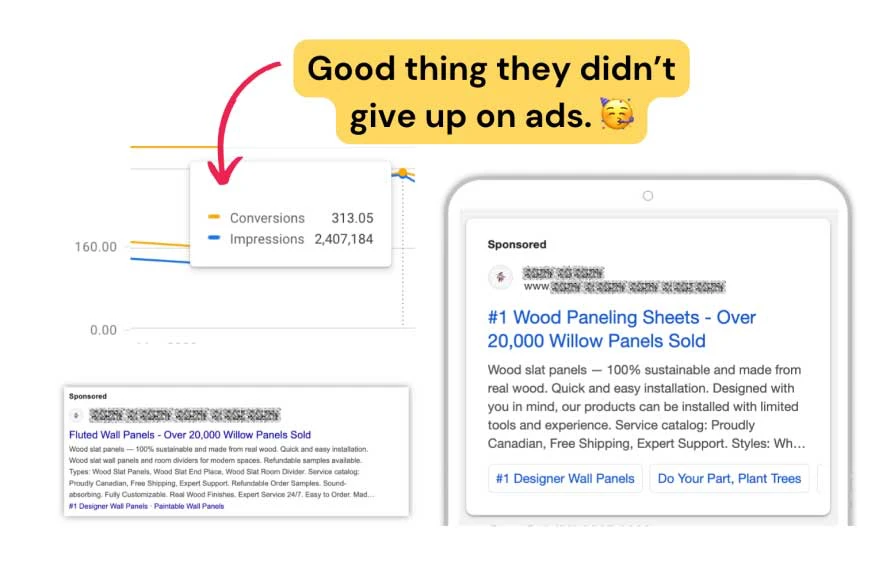
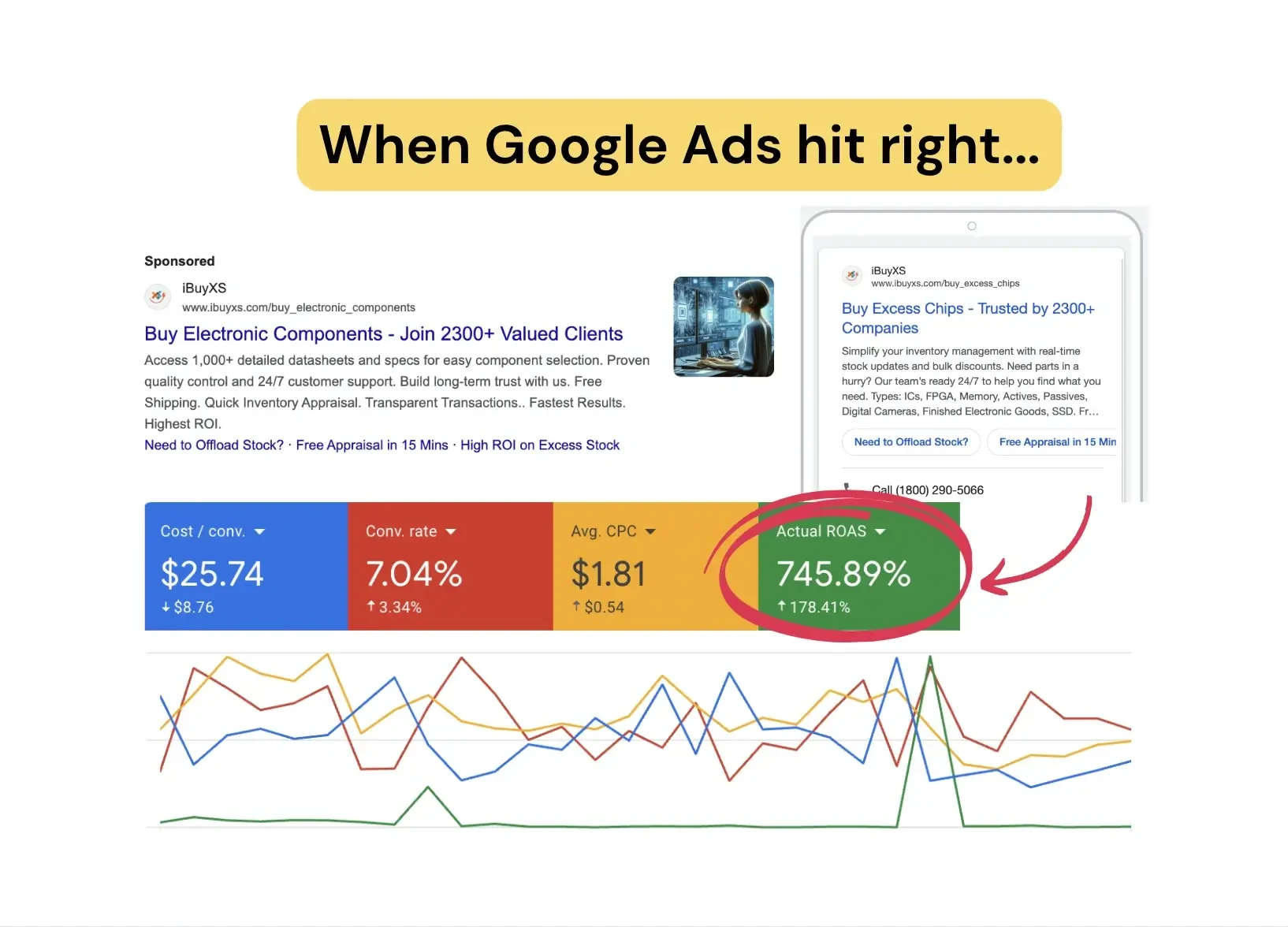
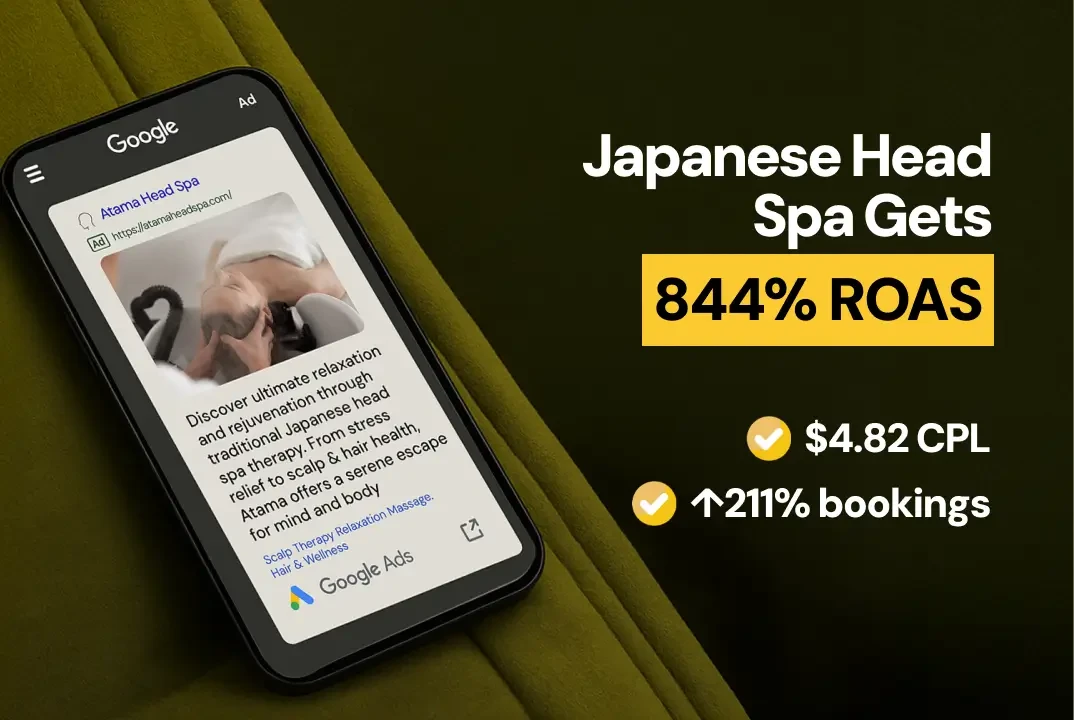
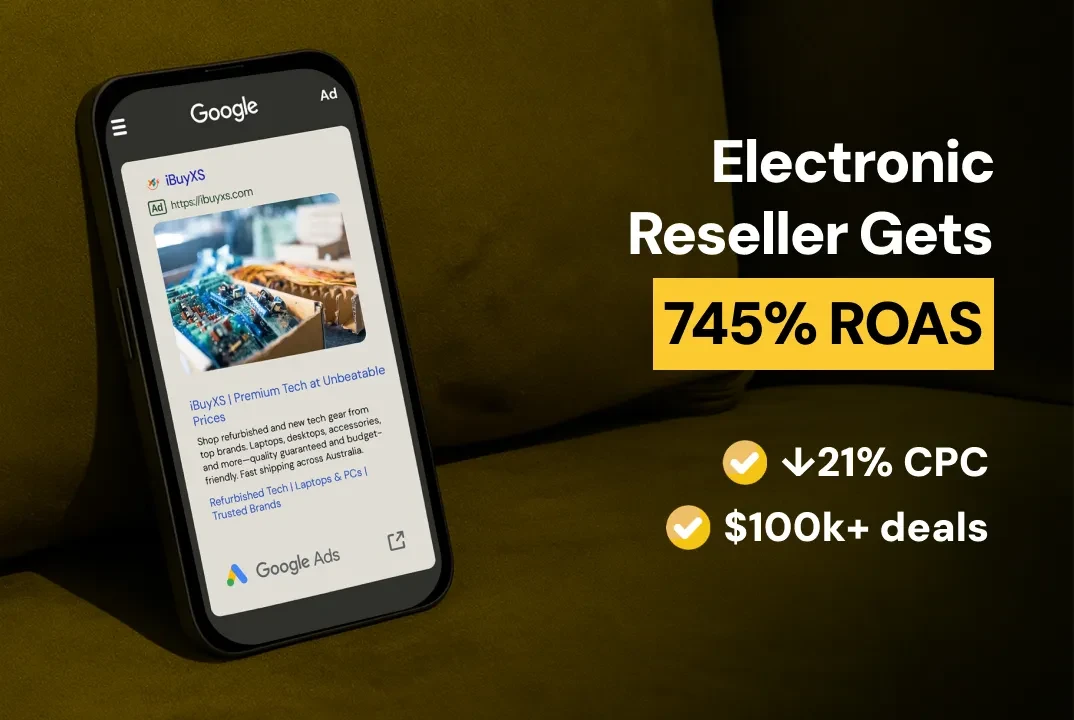
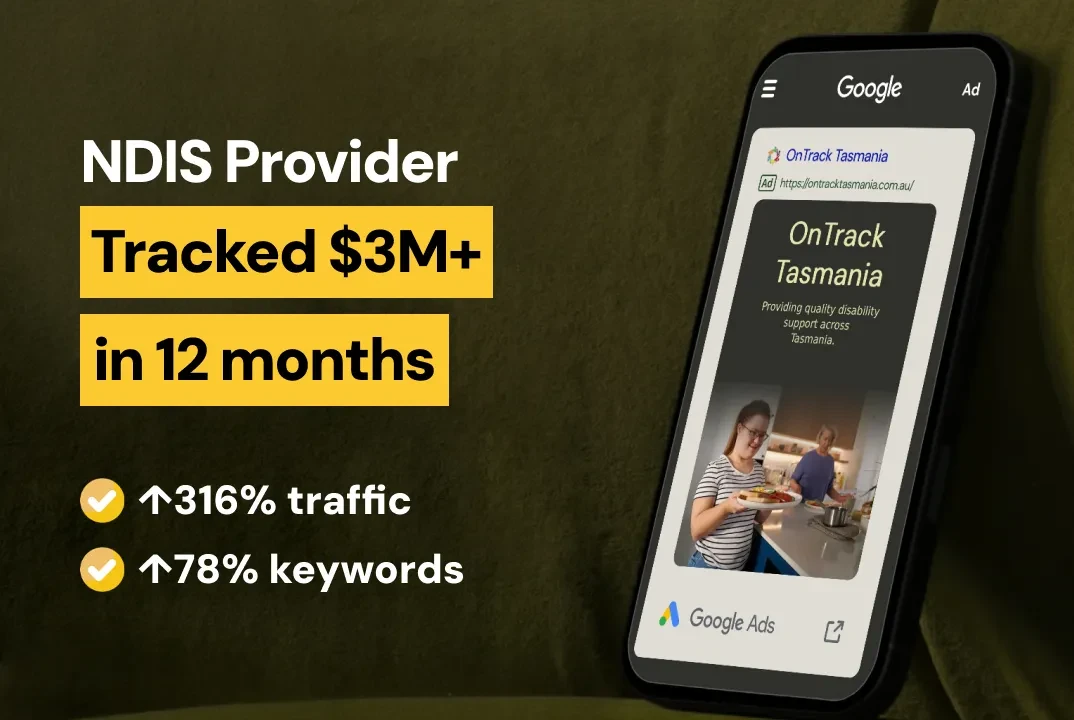
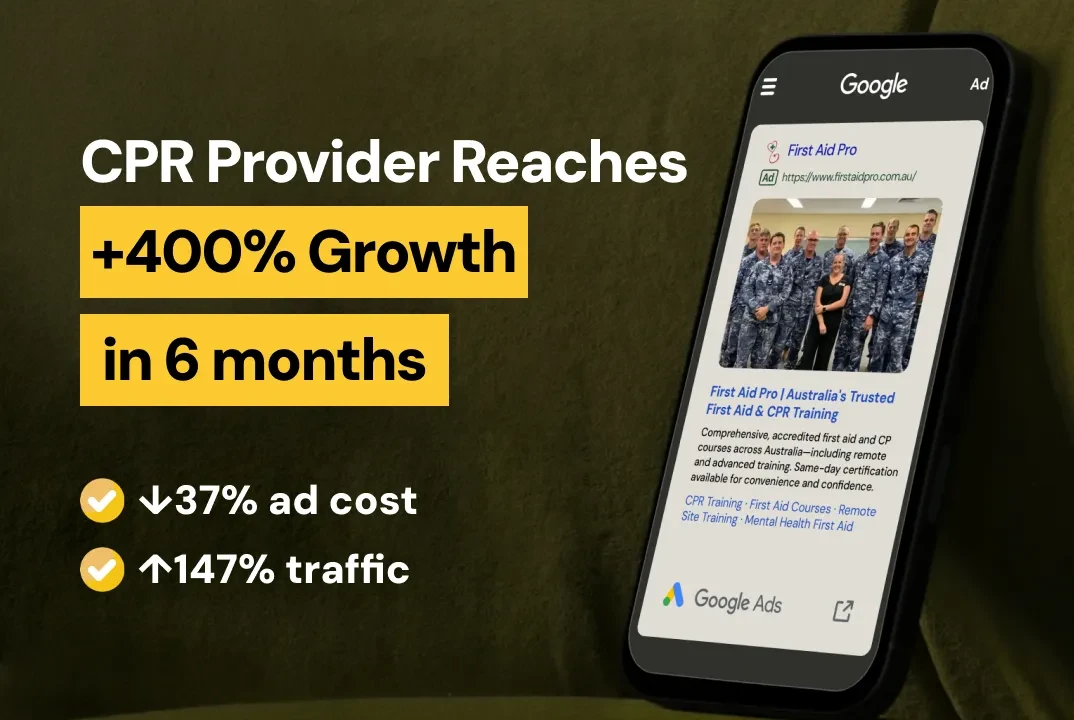
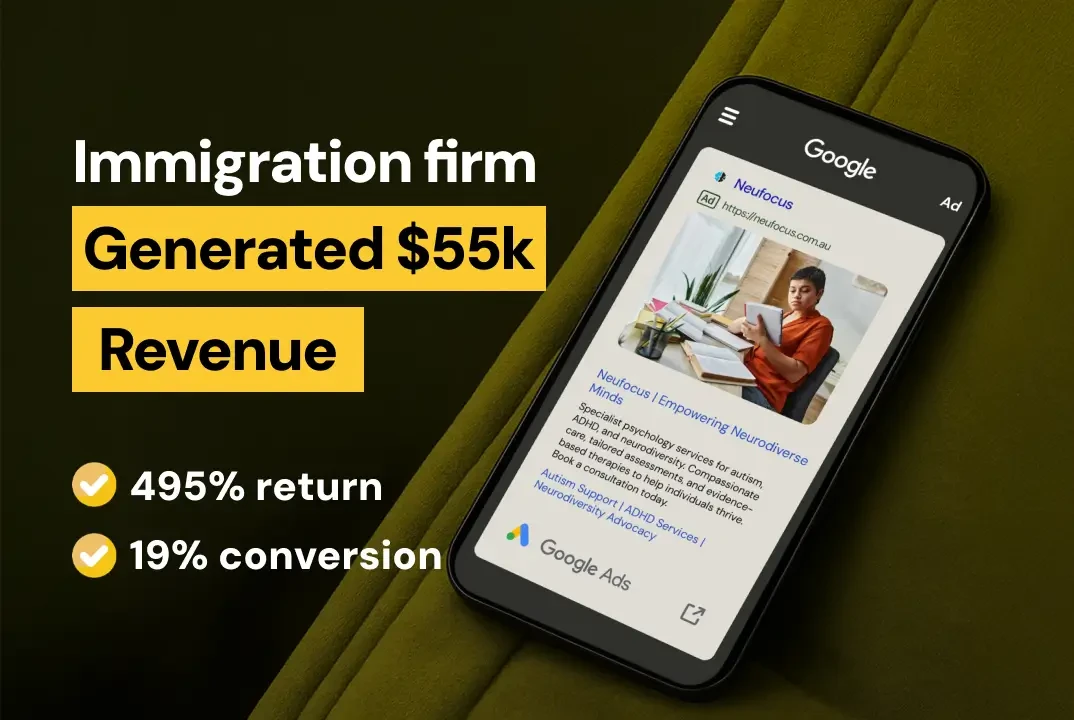
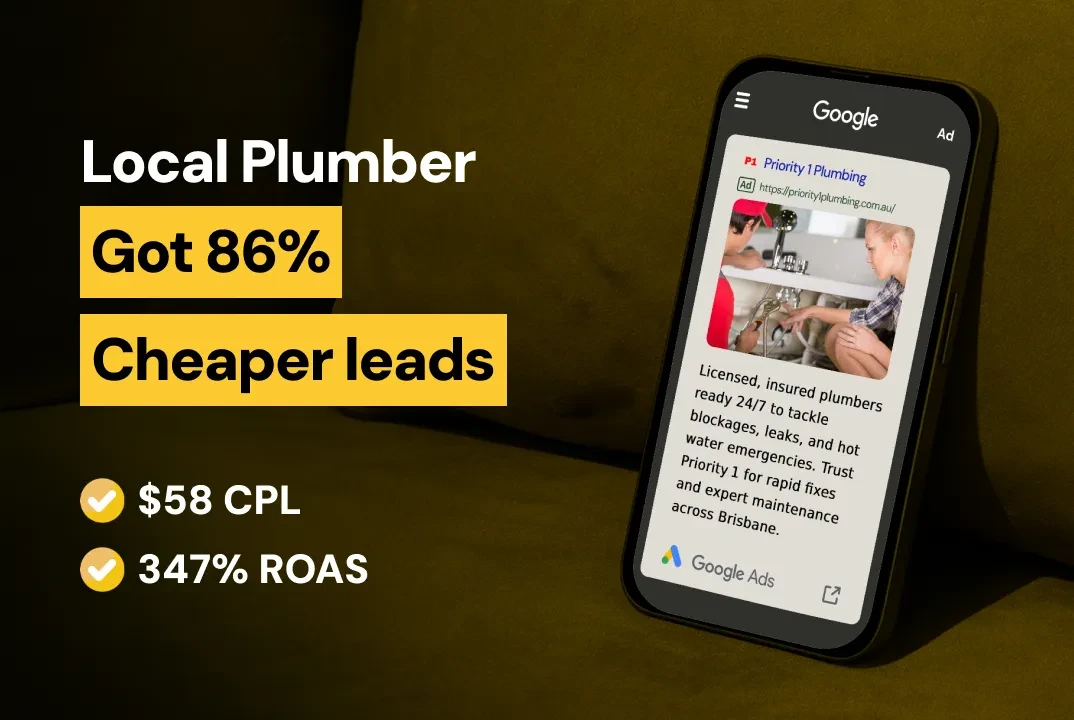
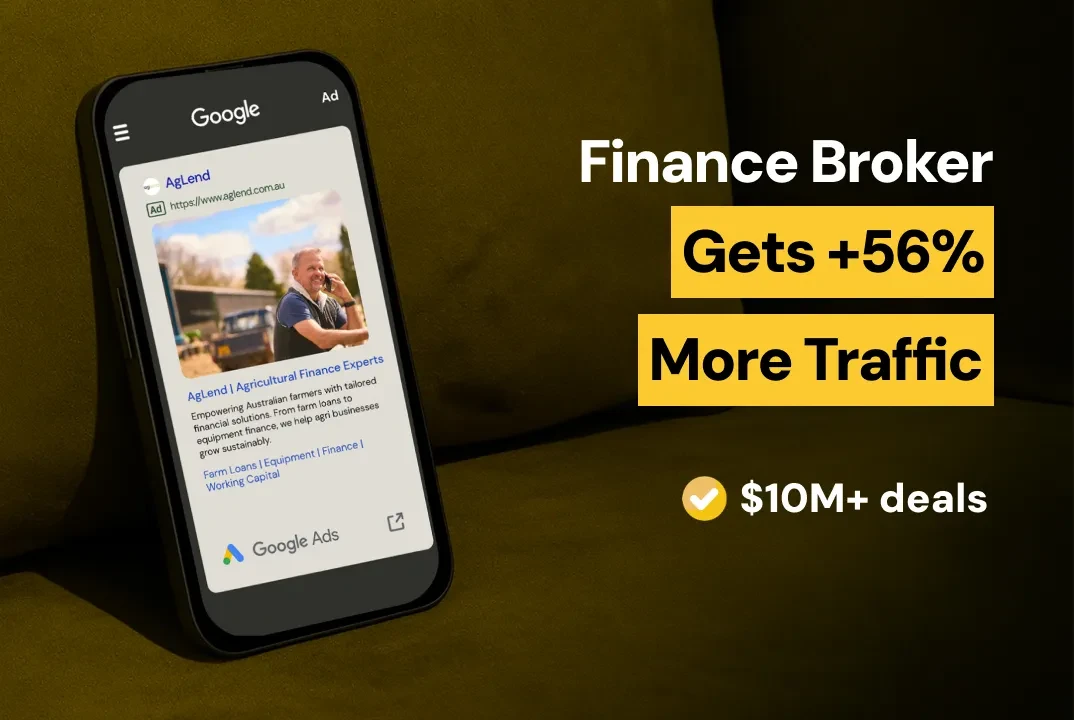
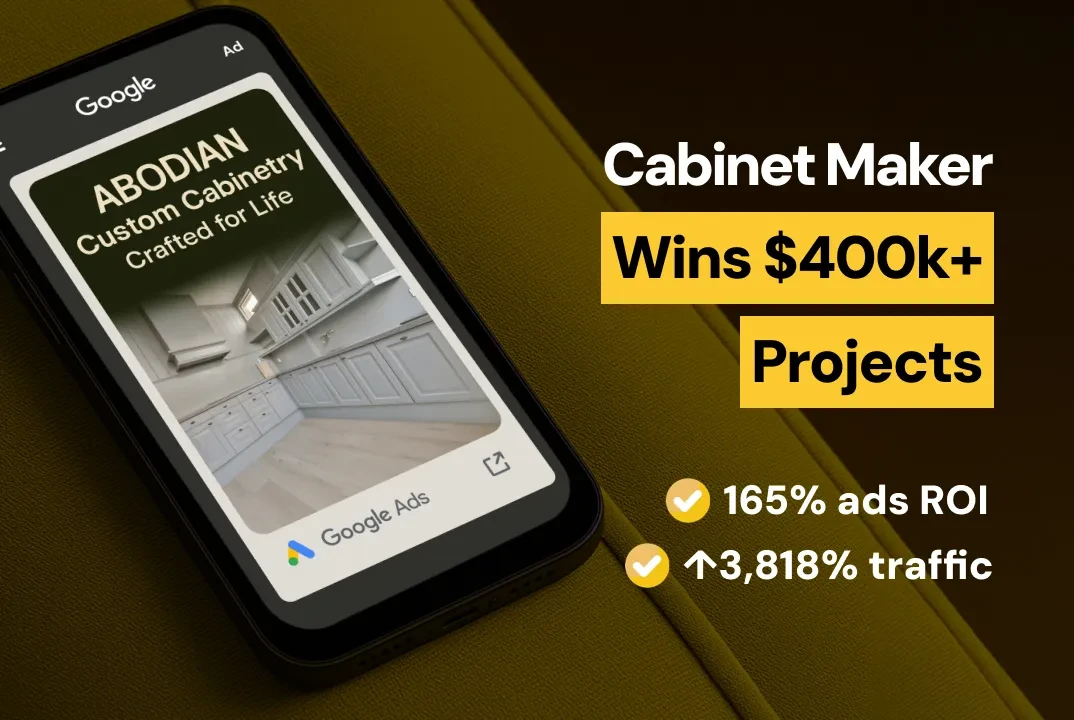
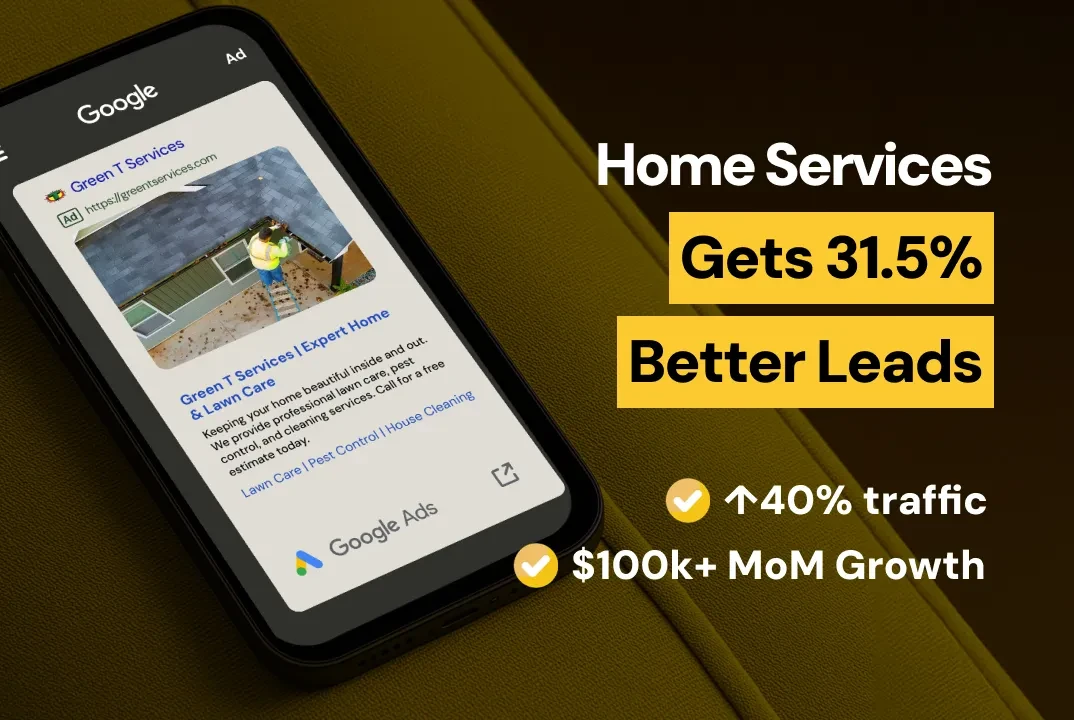
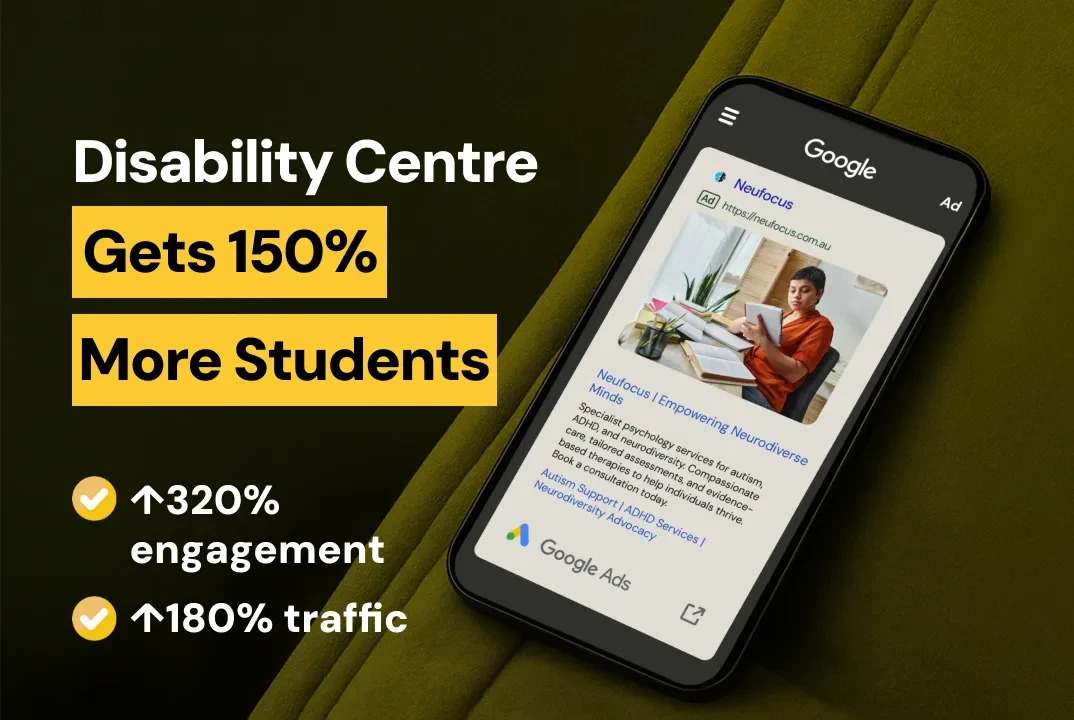
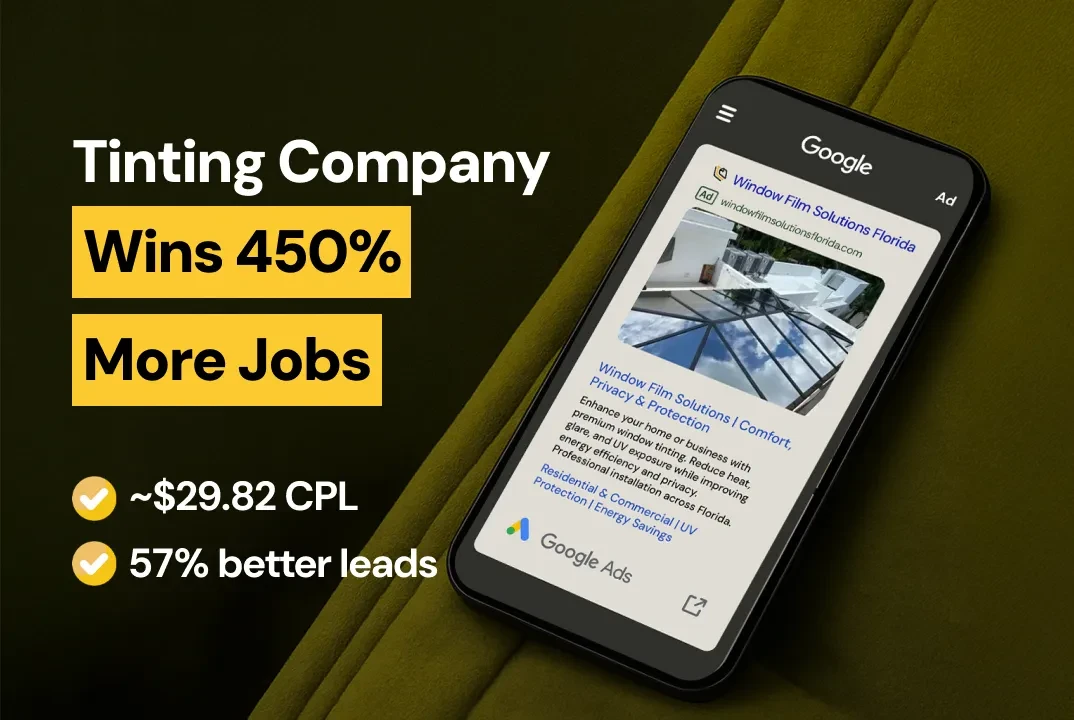
Proof we deliver PPC results for dental practices
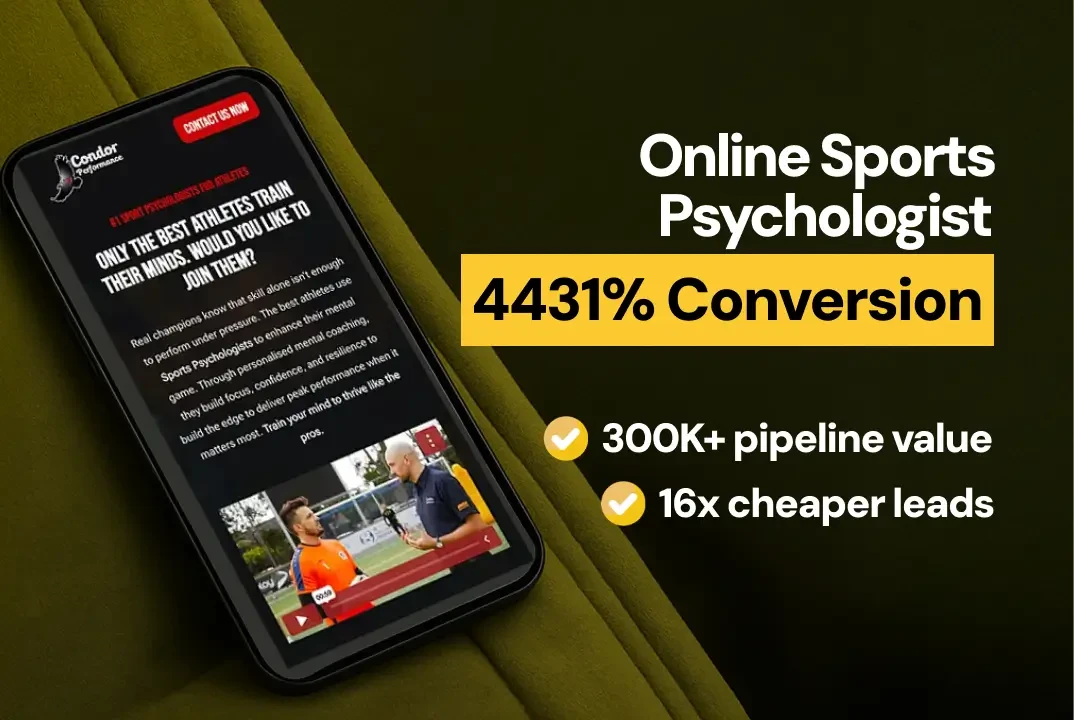
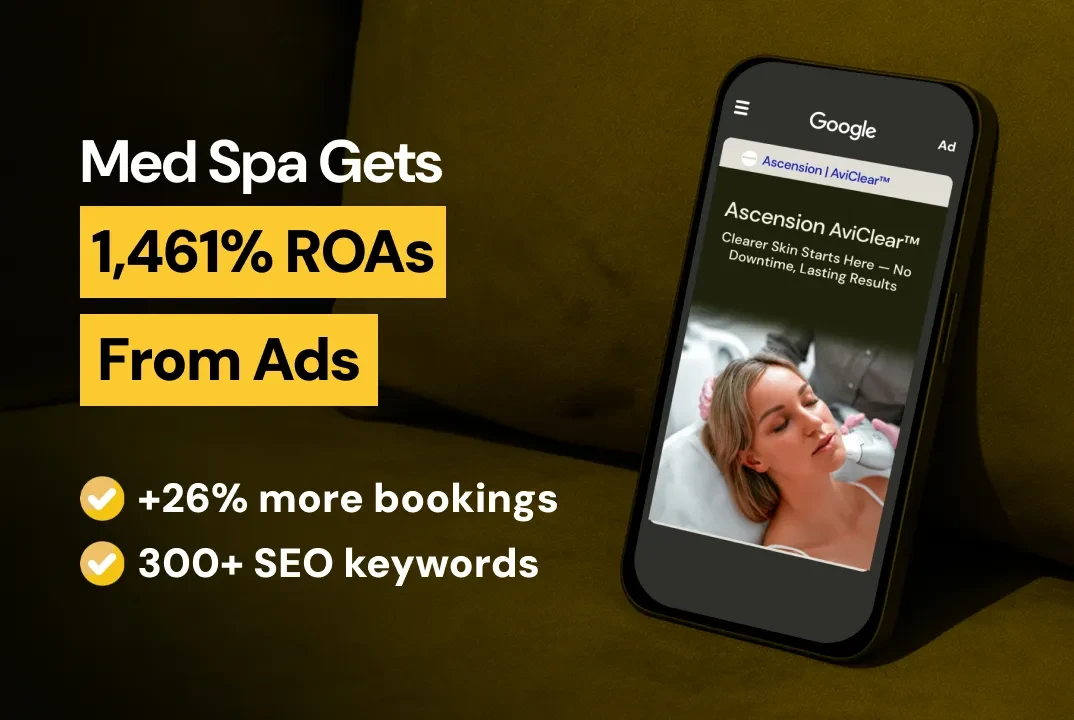
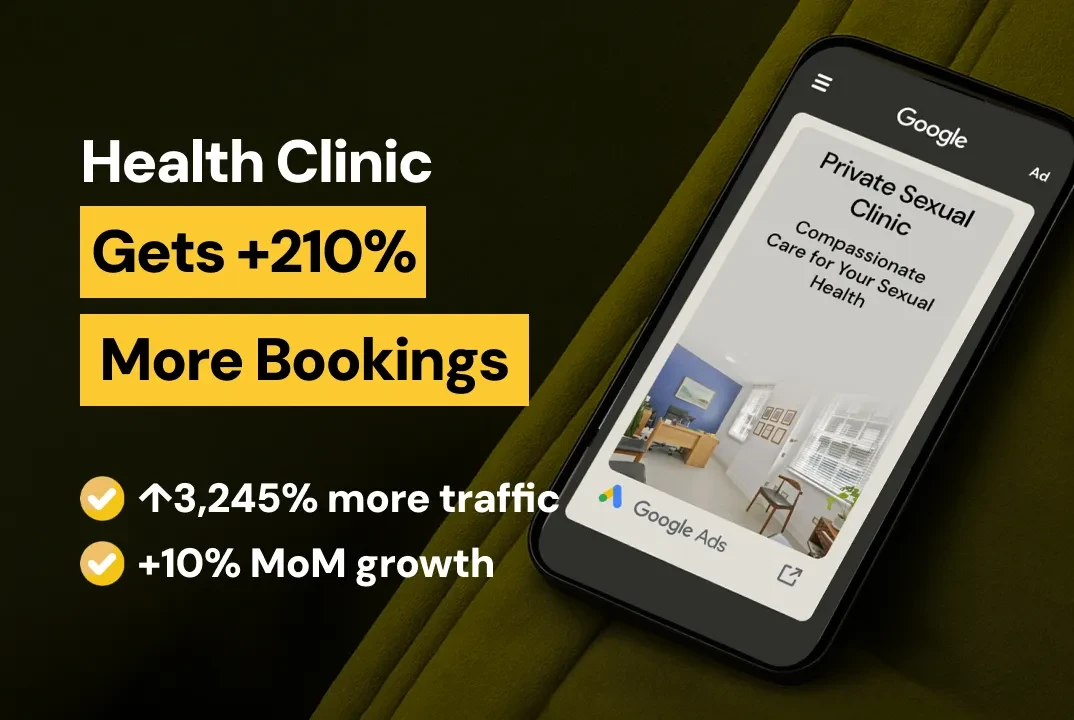
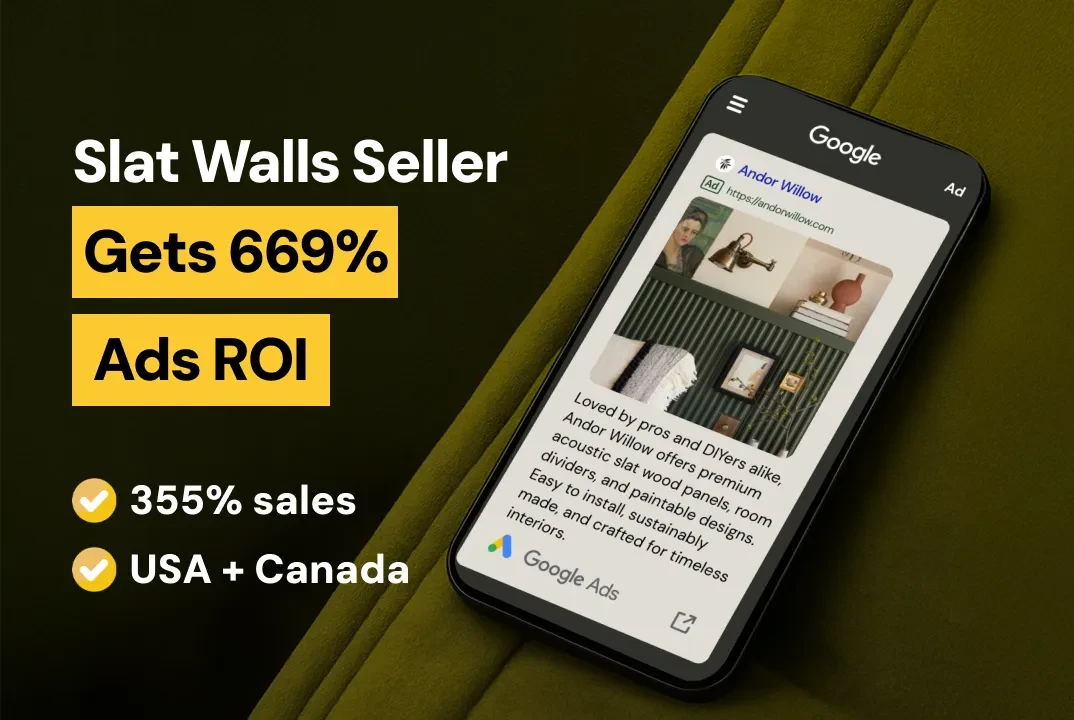

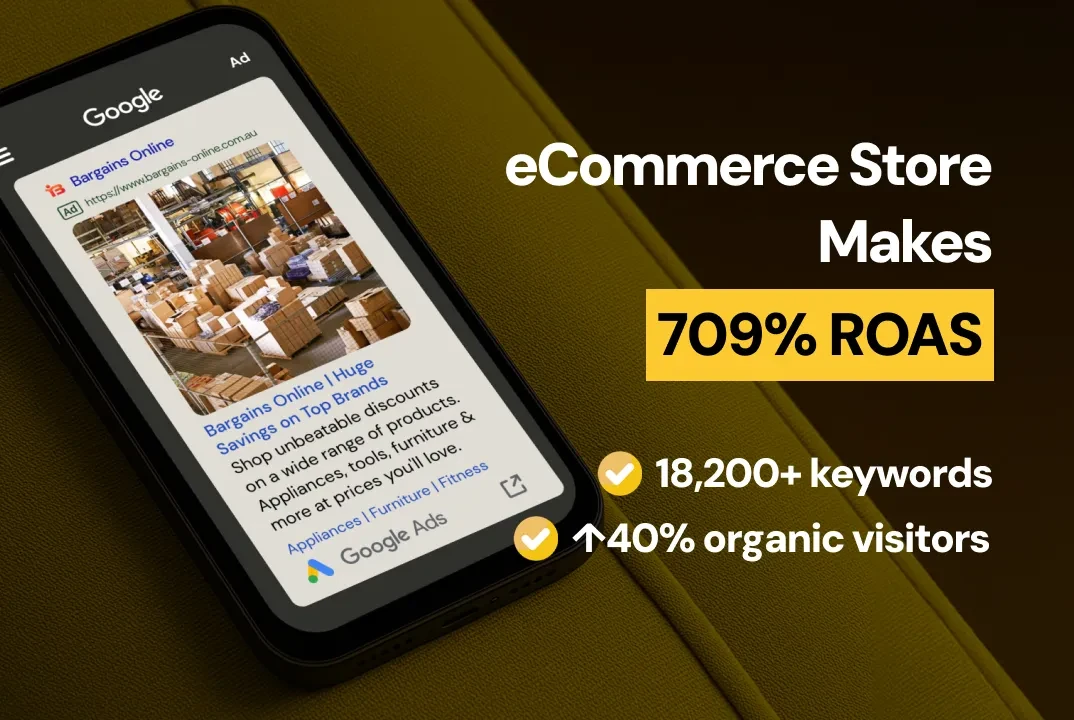
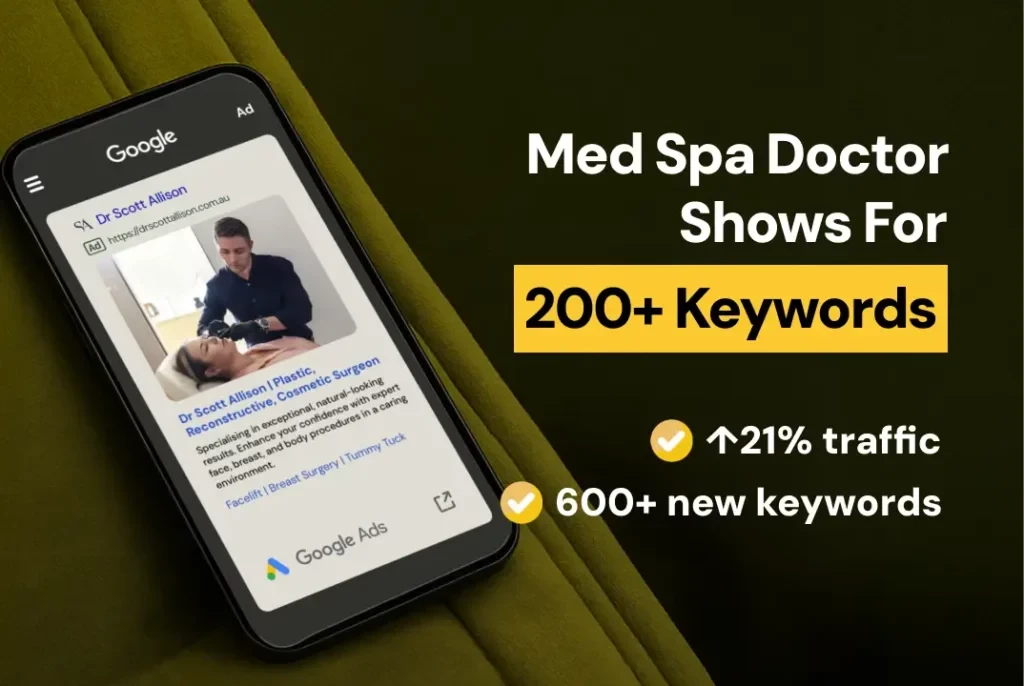






Get more dental patients with PPC
in 3 simple steps…

1. Schedule A Free, No-Commitment Call
Book a time that works for you to discuss your practice's goals and challenges with dental marketing. You'll get personalised insights on how PPC can bring in more local patients ready to book appointments.
2. Let Us Create Your Custom PPC Strategy
No need to guess at what works. When you opt-in, we will build a strategy made specifically for your dental practice — targeting people who are actively searching for the services you offer.
3. Watch The Ads Go Live And Start Seeing Results
Your ads will be set up, launched, and monitored daily to make sure they're performing at their best. You'll start attracting new patients without the stress of managing campaigns yourself.
If we don't beat your current results within 90 days, you'll get 100% money back, guaranteed.
If we don't outperform your current marketing agency or in-house marketing team within the first 90 days, we'll give you your retainer fees back. Only applies to those who pay 90 days upfront and in their first 90 days.
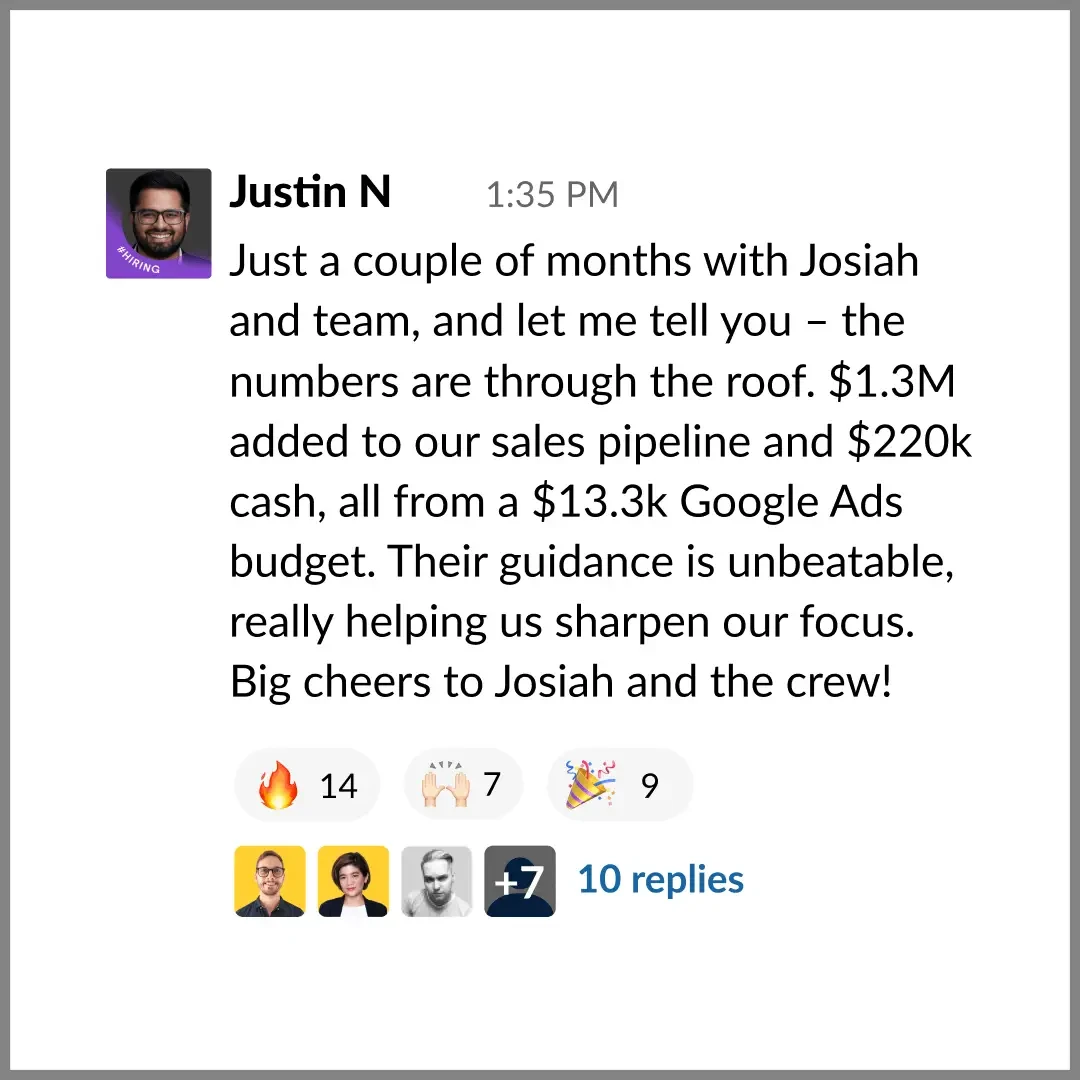
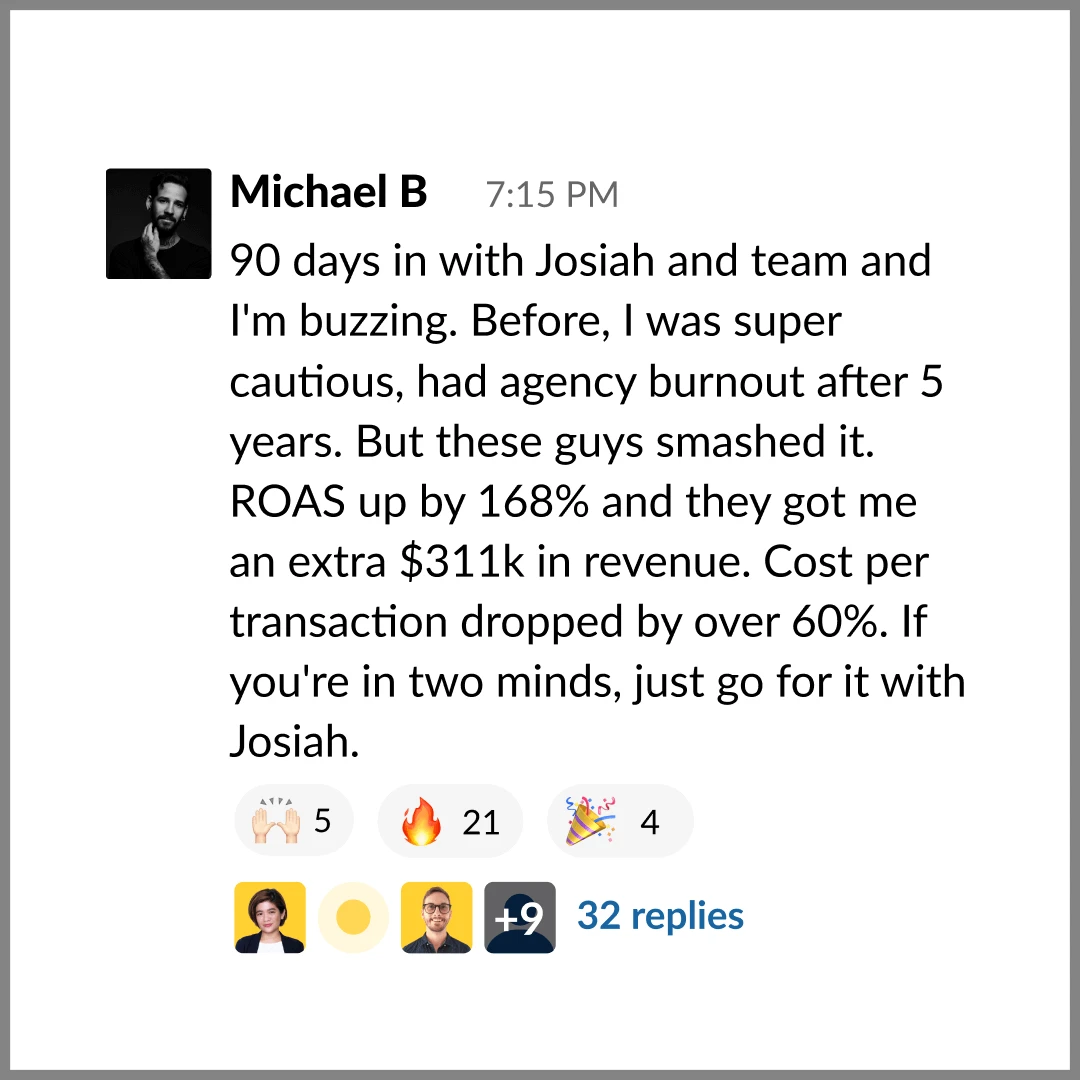
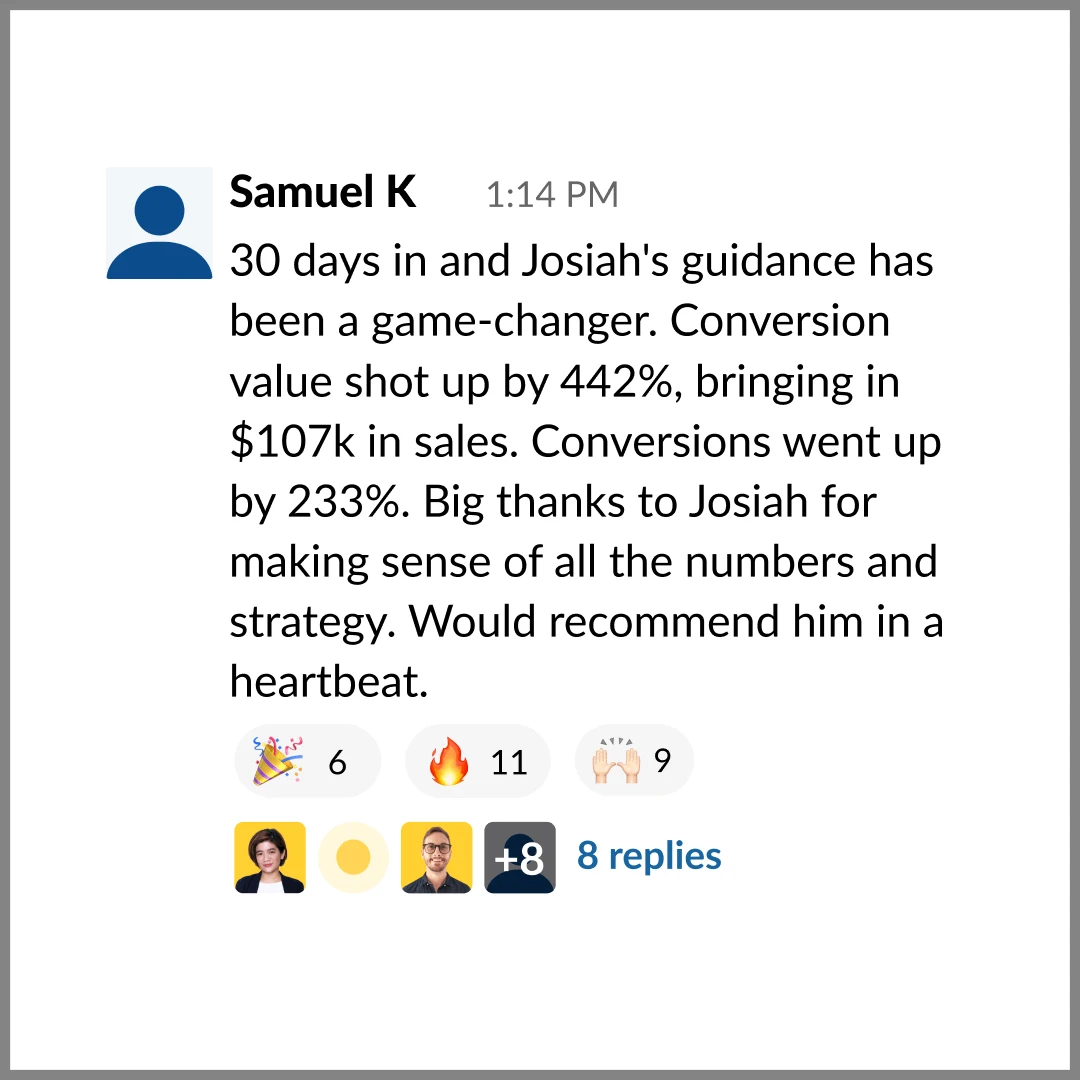
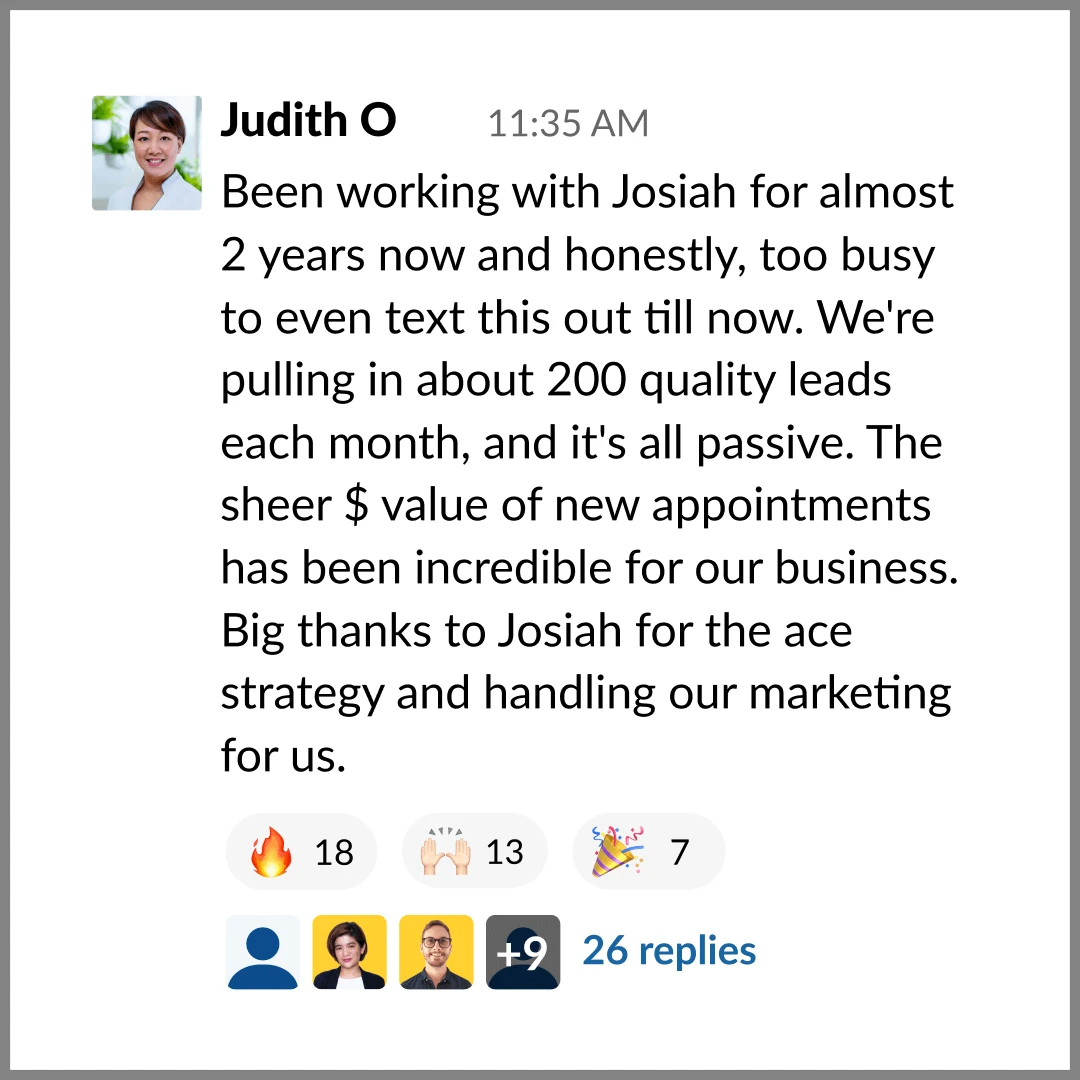
Why dental practices trust us
with their PPC budgets
Need real PPC for dentists
that actually work?
Proven dental ads
No 'set and forget' here. You receive transparent reporting with booked appointments, actioned tasks, strategic recommendations, and performance highlights delivered consistently.
Regular ROI reports
Every dental clinic receives complete sales tracking and detailed reporting. This single source of truth shows exactly how your marketing investment is performing.
HIPAA compliant tracking
All ads are written and reviewed by a proven dental marketing professional with expertise in journalism and sales psychology to ensure full compliance.
Questions we get asked about
PPC for dentists
PPC (pay-per-click) is a type of online advertising where you only pay when someone clicks on your ad.
For dentists, this means you can target people actively searching for dental services in your area. Instead of waiting for potential patients to find your website organically, PPC helps you jump to the top of search results when people look for "dentist near me" or similar terms.
By targeting specific keywords and locations, PPC ads bring in more relevant traffic, people who are likely to book an appointment because they're already interested in what you offer.
Pairing PPC with a dental SEO consultant builds a complete new-patient acquisition system.
If you've tried PPC before and didn't see good results, it could be due to several factors.
One common issue is not having the right targeting in place. If your ads were shown to people outside your service area or those not really looking for dental treatments, then it's no surprise they didn't convert into bookings. Running a thorough Google Ads audit is the fastest way to identify what went wrong.
Another possible reason is improper keyword selection. Broad or irrelevant keywords can lead to wasted clicks and high costs.
It's also important to consider if your landing page was optimised. Even if your ad gets clicked, if the page visitors land on isn't convincing or easy to navigate, they may leave without booking an appointment.
Lastly, consistent monitoring and tweaking are key. PPC isn't a "set it and forget it" strategy, it requires regular adjustments to improve performance over time.
Generally speaking, I recommend 10% of your top-line revenue. Our detailed guide on how much dentists should spend on marketing breaks this down further. But it depends on where you are at with your practice, such as your current patient capacity, new patient acquisition cost, lifetime value of each patient, location, competition, and growth goals.
If you're ambitious and are looking for a marketing plan that focuses on fast growth, it may be wise to spend 30-40% of top-line revenue in the first three months. This helps you to get an injection of new dental patients into your business.
For short-term traffic, it's best to invest in marketing services such as Google Ads for your PPC search campaign. Most dentists start with $3-$8k per month in PPC Ad spend.
For long-term growth, you should consider investing in dental SEO management. This helps outweigh the need to keep driving paid traffic from PPC Ads.
Yes! I've been working with cosmetic dentists to increase patient bookings for the past five years.
Whether it's dental veneers, teeth whitening or dental implants, I've helped many dental practices secure new bookings for as little as $20 per appointment.
Cosmetic dentist marketing is perhaps one of my most popular services for generating booked appointments for dentists. Browse our Elevate Dental marketing case study to see real results from a practice like yours.
I work with dozens of dentistry clients around the world (including Australia) that need to reach specific quarterly and yearly KPIs (return on investment) with Invisalign treatments.
For this reason, I have an exact strategy I use for each dental marketing client. This involves creating bottom-of-funnel (BoFu) ads that drive more bookings based on buyer's intent.
The delivery channels vary per dentist and their competition level. But my digital dental marketing team and I mainly stick to Google Ads and SEO based on existing performance benchmarks.
Because dental intent is search-driven. People with a chipped tooth, a kid needing braces, or a cosmetic consultation don't scroll Facebook hoping a dentist appears, they Google it. That's exactly why we don't run Facebook, Meta, or cold email. We focus everything on Google Search, YouTube, and SEO.
That focus has helped JRR Marketing clients generate over $100M in tracked revenue across dentistry, healthcare, legal, and home services. See our team and process for the full operating model. Our guide on whether Google Ads is worth it breaks down the ROI for service-based businesses like dental practices.
We look at your dental clinic's digital marketing strategies and make a marketing plan to grow your dental practice using best practices, including click-fraud protection via Fraud Blocker and call tracking through WhatConverts so every new-patient lead is attributable.
Unlike traditional SEO methods, which can take months or even years to bring results, Google Ads (PPC) offers instant visibility in the top search engine results.
By choosing the right keywords and creating ads targeting those terms, you'll be able to start bidding on them and raise your position in search engine rankings.
Optimising campaigns regularly is also key in order to make sure you're getting the most out of your budget. Working with a specialist Google Ads specialist ensures your bids are always pointed at the most valuable search intent.
If you're a dentist searching for new ways to attract patients, Google Ads is a great place to start. It's probably one of the best investments you can make for your dental practice.
By using this powerful platform to target potential customers searching for dental services, you can quickly get bookings and it makes it easy to see a return on investment for your pay per click campaigns.
Ads on Google are an effective way to reach the right audience and help your dental website show up at the top of search engine results.
When running PPC campaigns, one of the biggest concerns is whether the leads you're getting will turn into quality, long-term patients.
The good news is that with careful targeting, you can focus on attracting the kinds of patients you want, whether it's families, individuals needing cosmetic work, or patients seeking long-term care.
Tracking tools allow you to measure more than just clicks. You can track actual phone calls, form submissions, or booked appointments. Monitoring the right digital marketing KPIs helps you evaluate patient quality, not just volume.
From there, you can evaluate how many of these leads become patients and whether they return for follow-up visits.
Competition in PPC is a reality, especially in the dental industry, but it doesn't mean you can't succeed.
Your competitors may be bidding on similar keywords, but PPC platforms like Google Ads use a combination of your bid amount and ad relevance to determine where your ad ranks.
So even if someone outbids you, if your ad has better content and matches user intent more closely, it could still rank higher.
One tip to outperform competitors is to focus on niche keywords and services they may not be targeting heavily.
Also, regularly updating and refining your ad copy, offers, and landing pages can give you an edge, even in a competitive landscape.
If you own a dental business, use Google Ads to get the best results possible. Use these tips to improve your results:
- Know Your Audience: Understand your target market and create campaigns targeting them. This way, you can maximise the relevance of your ads, making them more likely to generate conversions.
- Monitor Keywords: Research and identify the most relevant keywords to your business and track their performance over time. This will help you determine which ones are giving you the best return on investment.
- Optimise Your Ads: Regularly review and adjust your ads to ensure they work as effectively as possible. Try different ad copy, images, and call-to-actions to see what resonates best with your target audience.
- Track Results: Use analytics tools such as Google Analytics and WhatConverts to track the performance of your campaigns and see how effective they are in generating a return on investment.
If you're unsure where the biggest gaps are, a marketing audit will surface them quickly.
Yes, the Elevate Dental case study walks through how a Melbourne practice 9x'd ROAS and scaled to three locations, and the clinic marketing case study shows the same playbook applied to multi-location healthcare.
If you want to keep learning, our local search strategy guide and customer lifetime value guide are both written with service businesses like dental practices in mind.