
Ever wonder why your favourite burger place is all decked out in red?
Or why high-end stores love using black and gold?
It’s not just about looking good.
Believe it or not, colours mess with our heads in ways that make us want to spend money.
In today’s world, grabbing someone’s attention is like trying to catch a fish in a very, very big pond.
It’s not easy.
And that’s where colour comes in.
A red ‘Buy Now’ button isn’t screaming; it’s more like a gentle tap on the shoulder that says, “Hey, why not?”
This year, these little details matter more than ever.
People are getting smarter and their choices are changing fast.
Using the right colours can make or break your marketing game.
So, are you ready to dive into the deep end of colours and how they mess with our brains?
Why colours matter more than you think
So, you may be sitting there wondering, “Sure, colours are nice, but do they really have that much pull?”
The short answer is yes, and there’s data to back it up.
Another notable study found that people make an initial judgement about a product within 90 seconds, and up to 90% of that is based on colour alone.
That’s like walking into a room and deciding how you feel about the party before you even get a chance to taste the appetisers.
Enter “Colour Theory” in psychology.
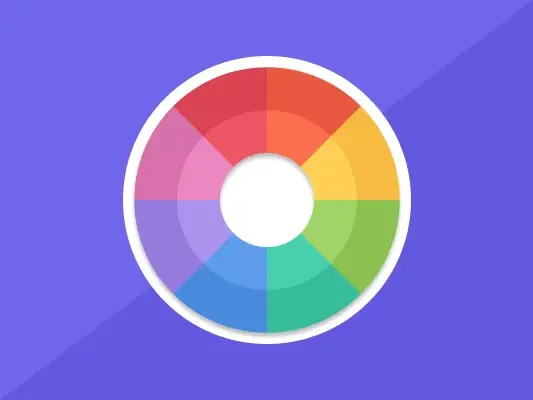
This isn’t just some artsy jargon; it’s a well-researched framework that helps us understand how different hues can trigger specific emotions or actions.
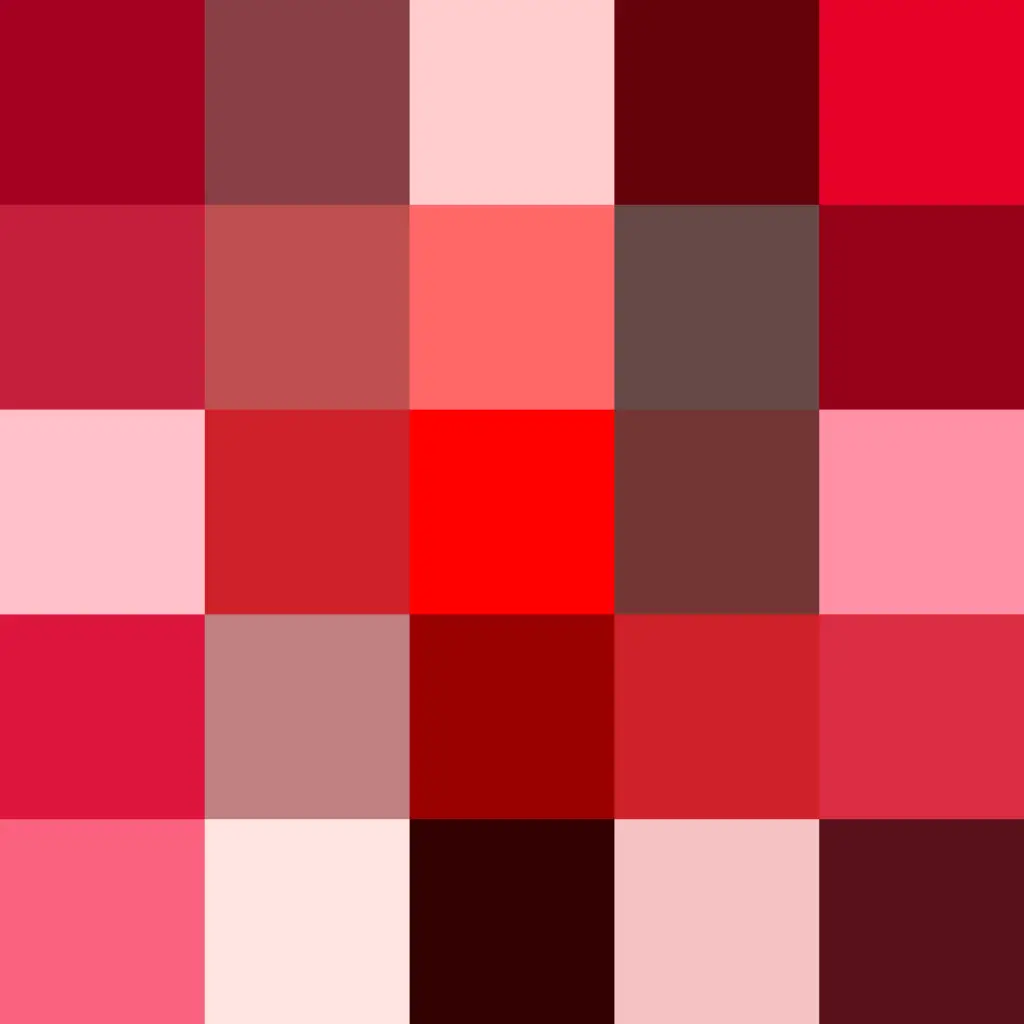
Red, for example, is often linked to excitement, passion, but also urgency.
That’s why it’s so popular for clearance sales and fast food.
To illustrate, a study showed that the colour red can influence consumer price perception.
When red was the dominant colour on a website, people were less price-conscious, often choosing more expensive options.
Whereas the colour blue tends to create feelings of trust and calm, which is why you’ll find it in many healthcare and tech logos.
So, for anyone thinking colours are merely decorative, it’s time for a wake-up call.
They’re functional, strategic, and directly plugged into our decision-making circuits.
Ignore them at your peril.
How to choose your colour palette wisely
At this point, you’re probably convinced that colours are a big deal, but the next question is, “How do I pick the right ones?”
Well, it’s not as simple as throwing a dart at a colour wheel, but it’s not rocket science either.
Let’s break it down into some manageable bites.
Knowing your brand personality
Think of your brand as a person.
Is it fun, serious, creative, or straightforward?
Your colours should mirror this personality.
Why?
Because consistency builds trust.
If your brand screams “innovation and tech,” but your colours shout “1950s nostalgia,” there’s a mismatch.
And mismatches make people uneasy, even if they can’t put a finger on why.
Colour meanings and associations
Now, let’s delve into what colours actually mean.
Red
- Meaning: Passion, urgency, excitement
- Best use case: Retail sales, call-to-actions, fast food joints
- Why: Red commands attention and triggers immediate action. It taps into our primal instincts of urgency, making it perfect for sales and special offers. However, it can also signal danger or stop, so don’t overdo it.
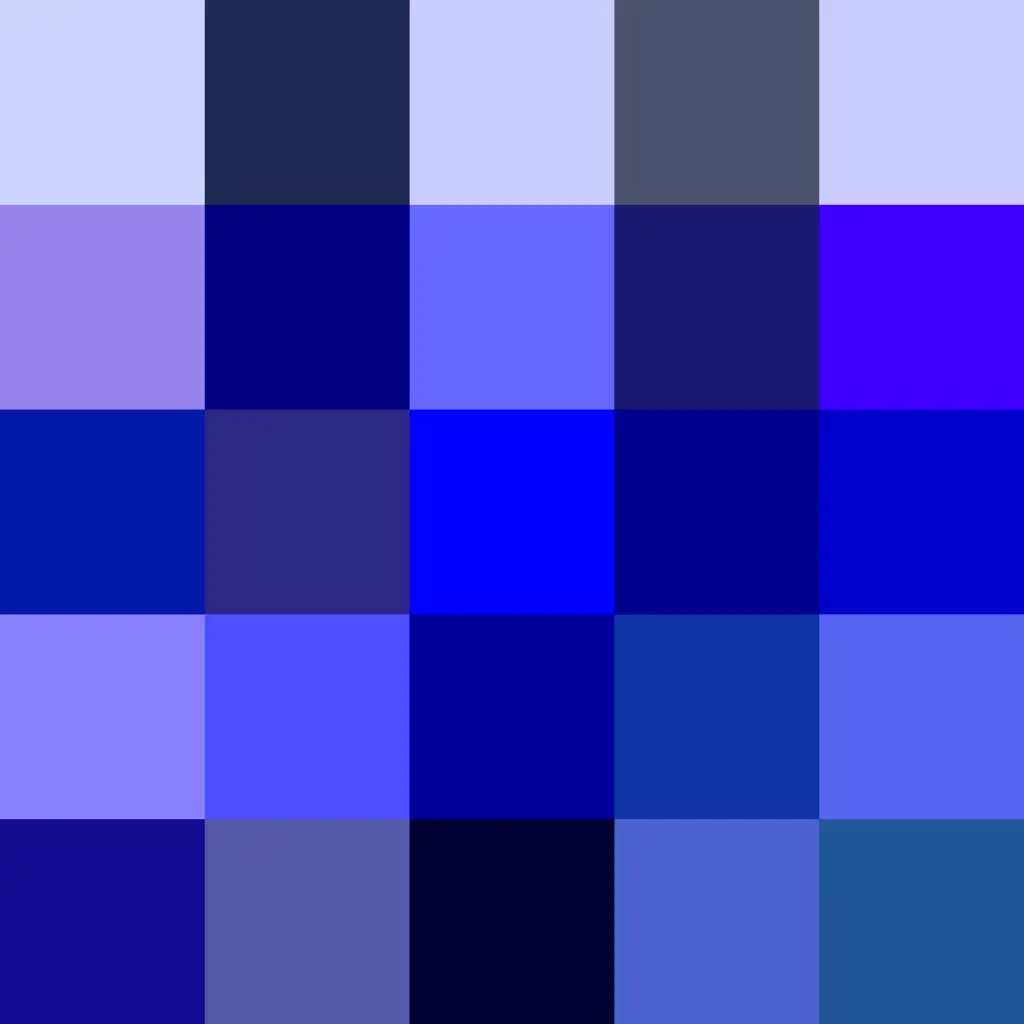
Blue
- Meaning: Trust, calm, responsibility
- Best use case: Finance, healthcare, tech companies, law firms
- Why: Blue calms the nerves and establishes trust. If you’re in a niche where trust is paramount, blue should be your go-to. However, it’s also seen as conservative and traditional, so consider your audience before committing.

Green
- Meaning: Growth, health, sustainability
- Best use case: Organic or eco-friendly products, wellness brands
- Why: Green evokes feelings of renewal and growth. It’s your pick if you’re into sustainable products or health services. But be cautious; in financial contexts, it can signify greed or jealousy.
Yellow
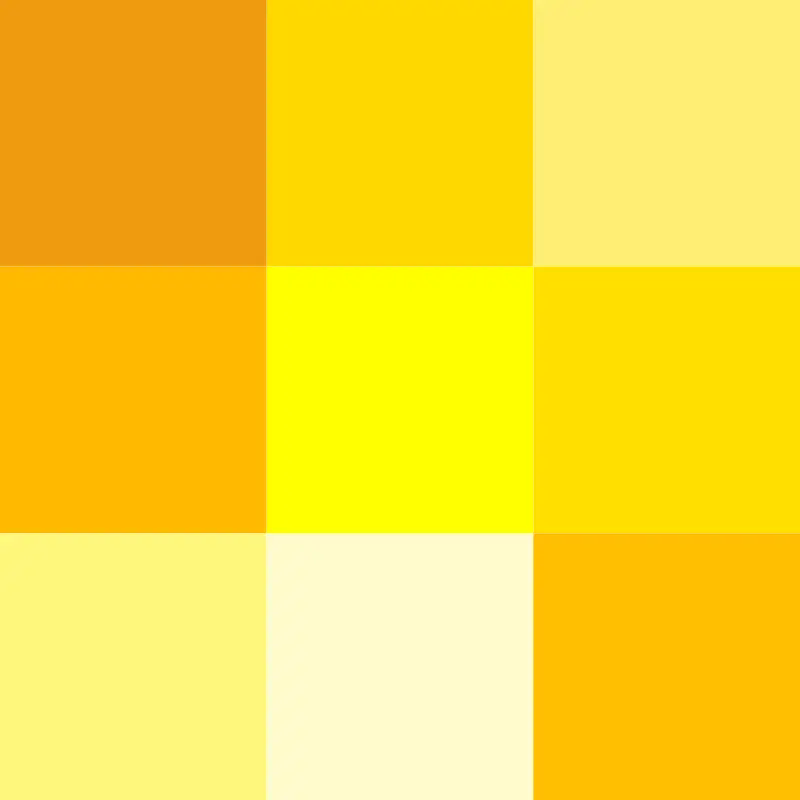
- Meaning: Optimism, happiness, attention-grabbing
- Best use case: Children’s products, leisure services
- Why: Yellow is sunny and optimistic, which makes it ideal for products and services aimed at children or leisure activities. However, it can strain the eyes and trigger anxiety if overused.
Orange
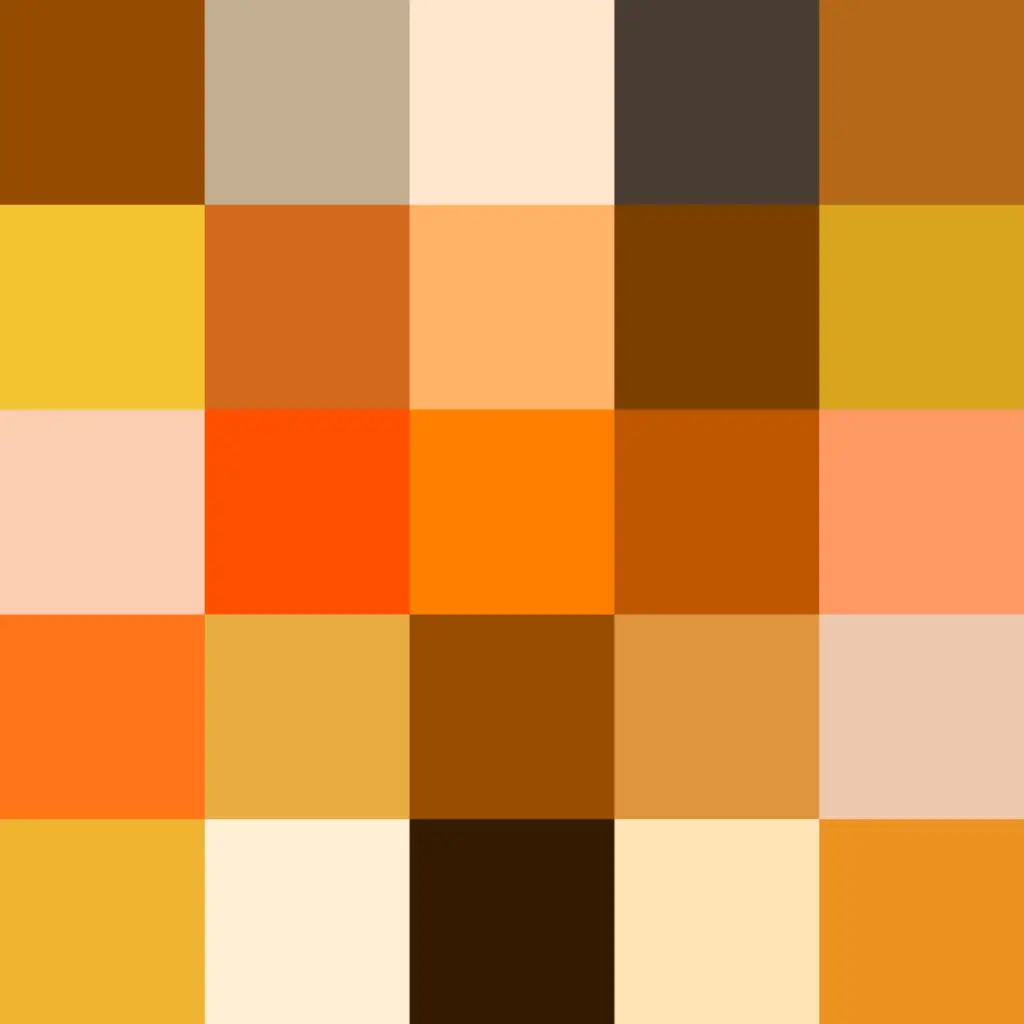
- Meaning: Creativity, enthusiasm, affordability
- Best use case: Budget or value services, creative agencies
- Why: Orange combines the energy of red with the happiness of yellow. It’s playful but less commanding, making it great for affordable or budget services.
Purple
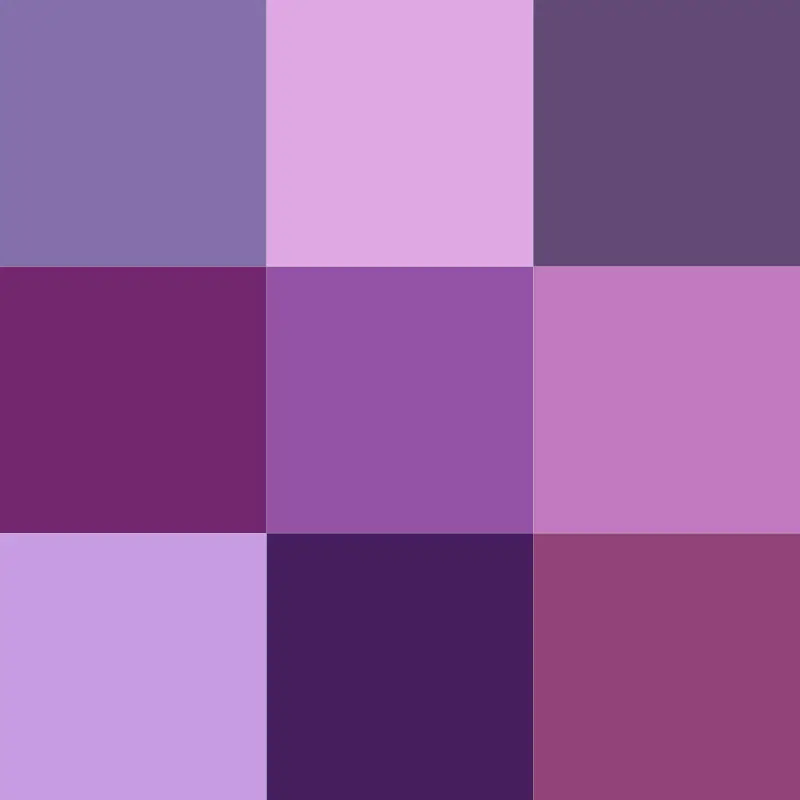
- Meaning: Luxury, royalty, sophistication
- Best use case: Premium brands, beauty products
- Why: Purple is the colour of royalty and luxury. If your brand aims for a top-tier, exclusive feel, purple sets the mood right.
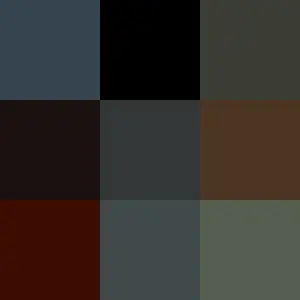
Black
- Meaning: Elegance, mystery, formality
- Best use case: Luxury goods, professional services
- Why: Black screams elegance but is also versatile. It can be modern or traditional, exciting or relaxing, depending on how you use it.

White
- Meaning: Purity, simplicity, minimalism
- Best use case: Health and wellness, tech products
- Why: White signifies a fresh start and cleanliness. It’s often used to create a sense of space and simplicity, perfect for minimalist designs or health-related products.
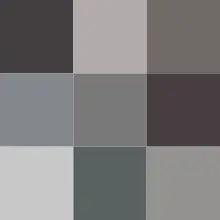
Grey
- Meaning: Neutrality, balance
- Best use case: Background colour, tech companies
- Why: Grey is neutral and unobtrusive, making it an excellent background colour. It’s often used in tech for a modern, clean look but can be seen as dull if overused.
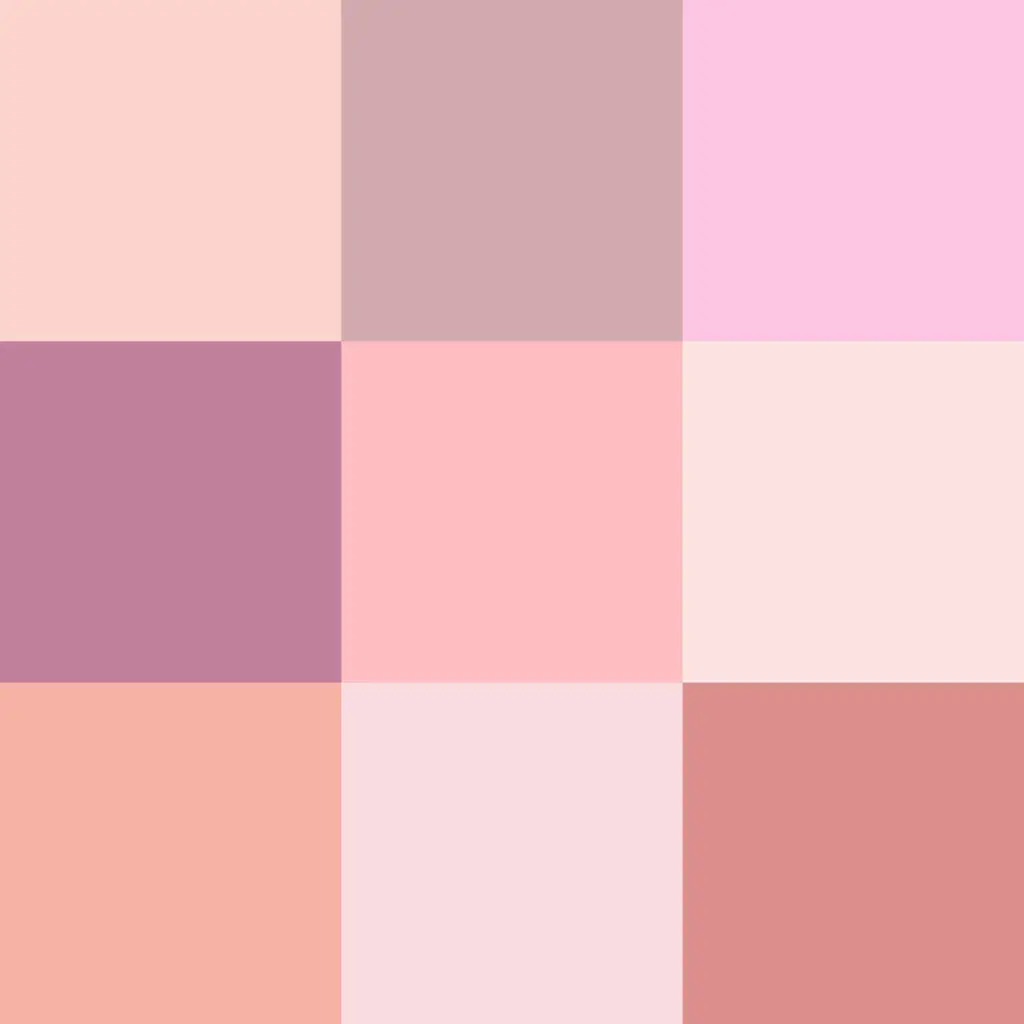
Pink
- Meaning: Femininity, sweetness, romance
- Best use case: Women-focused products, sweet treats
- Why: Pink is seen as feminine and romantic. If your target audience leans towards women or you’re selling something sweet, pink could be your colour.
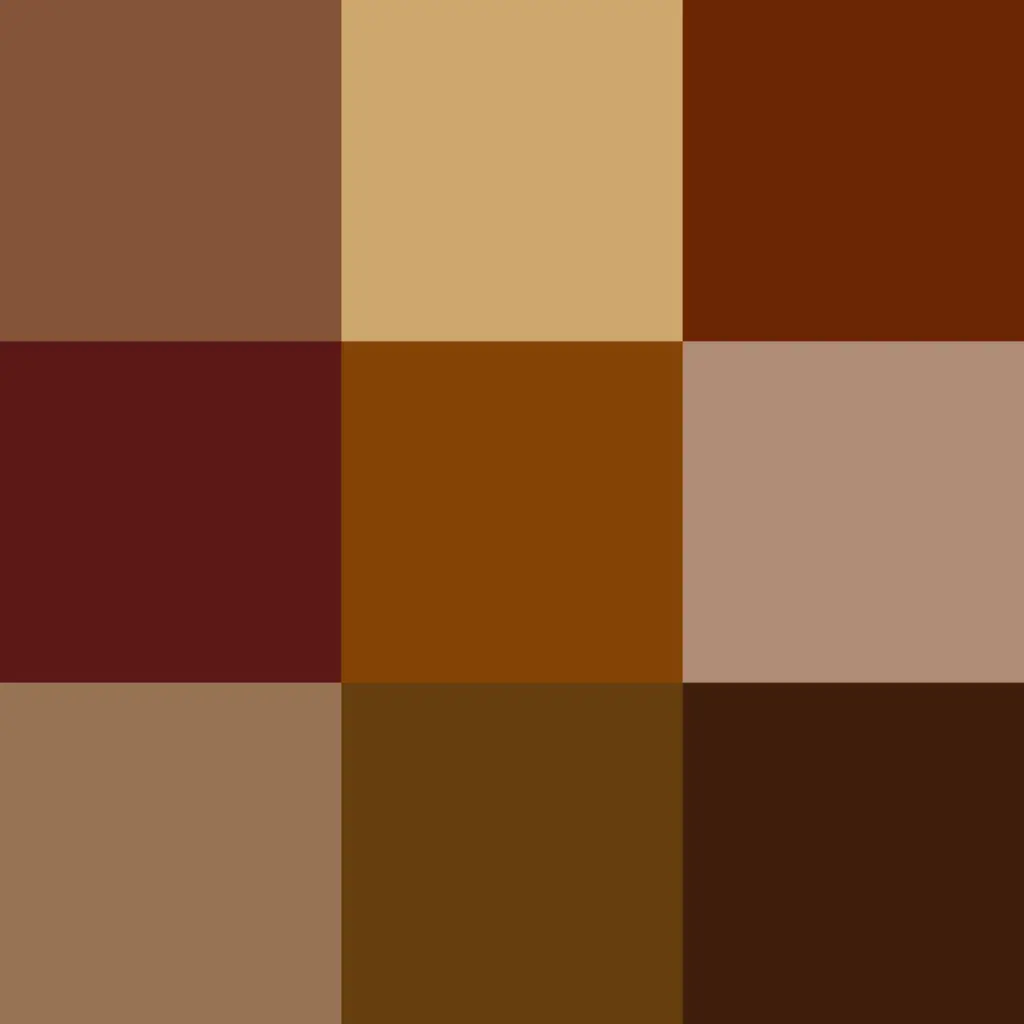
Brown
- Meaning: Earthy, reliable, rugged
- Best use case: Outdoor goods, handcrafted items
- Why: Brown screams earth and nature. If your brand has a rustic, outdoor feel or emphasises natural or handcrafted elements, brown could be your match.
But remember, these meanings aren’t universal.
In some cultures, white symbolises purity, while in others, it’s associated with mourning.
So know your audience and their cultural background before you paint the town red — or any other colour.
Test before you settle
Last but definitely not least, you’ve got to test these choices out.
What’s called A/B testing in business is basically a head-to-head match between two options.
Maybe try your website with a green ‘Buy Now’ button for a week, then switch it to red.
See which one brings in more clicks.
Even small changes can yield big results, and data trumps gut feeling any day.
Real-life Examples of psychology of colours in marketing
Sometimes, the best way to understand a concept is to see it in action.
You don’t have to look far to find textbook examples of how colour psychology has been skillfully applied by some of the world’s most successful brands.
Let’s dig into a few.
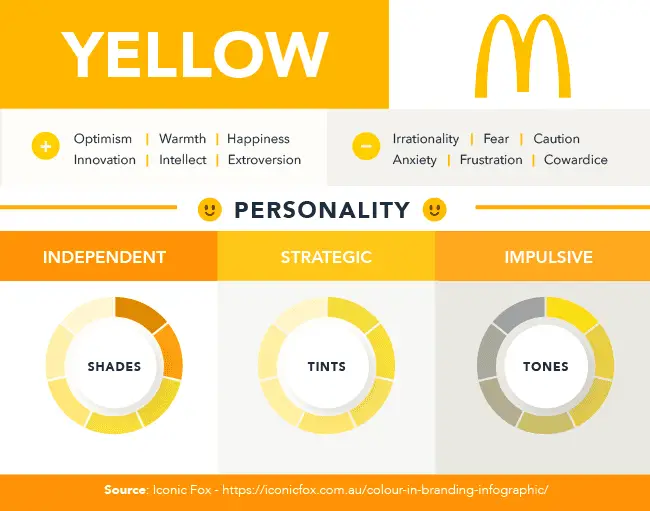
The McDonald’s red-yellow combo
Even if you’re not a fan of the Big Mac, you can’t deny the brand’s mastery over colour.
The red and yellow combo is no accident.
Red sparks urgency and excitement, inviting you to come in.
It stimulates the appetite, nudging you toward that extra fry.
Yellow, on the other hand, is the colour of happiness and friendliness, making you feel welcomed and relaxed.
The blend of urgency from red and cheerfulness from yellow creates an emotional cocktail that says, “Come, eat, and be happy.”
Clever, right?
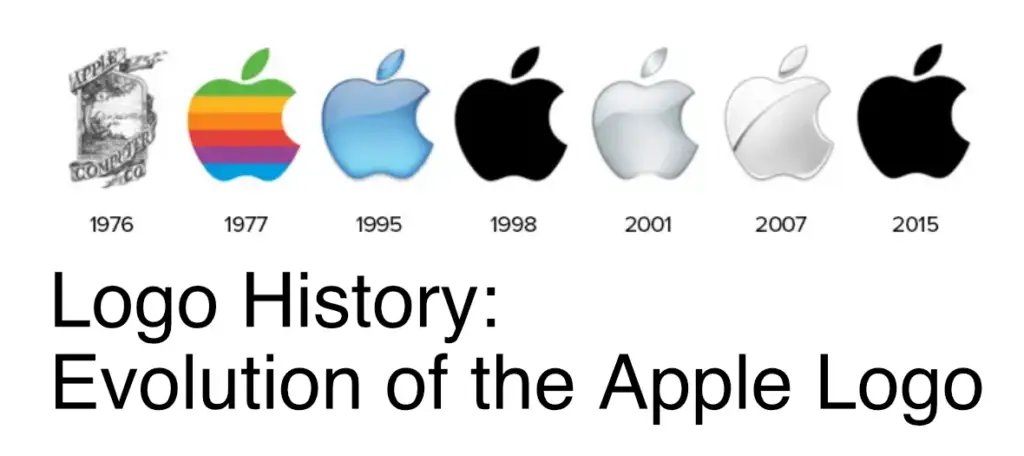
Apple’s minimalistic white
When you think of Apple, what comes to mind?
Innovation, sure.
Elegance, definitely.
But also, a lot of white space.
Whether it’s their website, their ads, or their stores, white is omnipresent.
Why?
Because white symbolises simplicity and purity, mirroring the user-friendly, clean design that Apple products are celebrated for.
White makes you focus on what’s essential, much like an Apple product itself.
No clutter, no fuss, just the essential elements presented in the most visually pleasing manner possible.
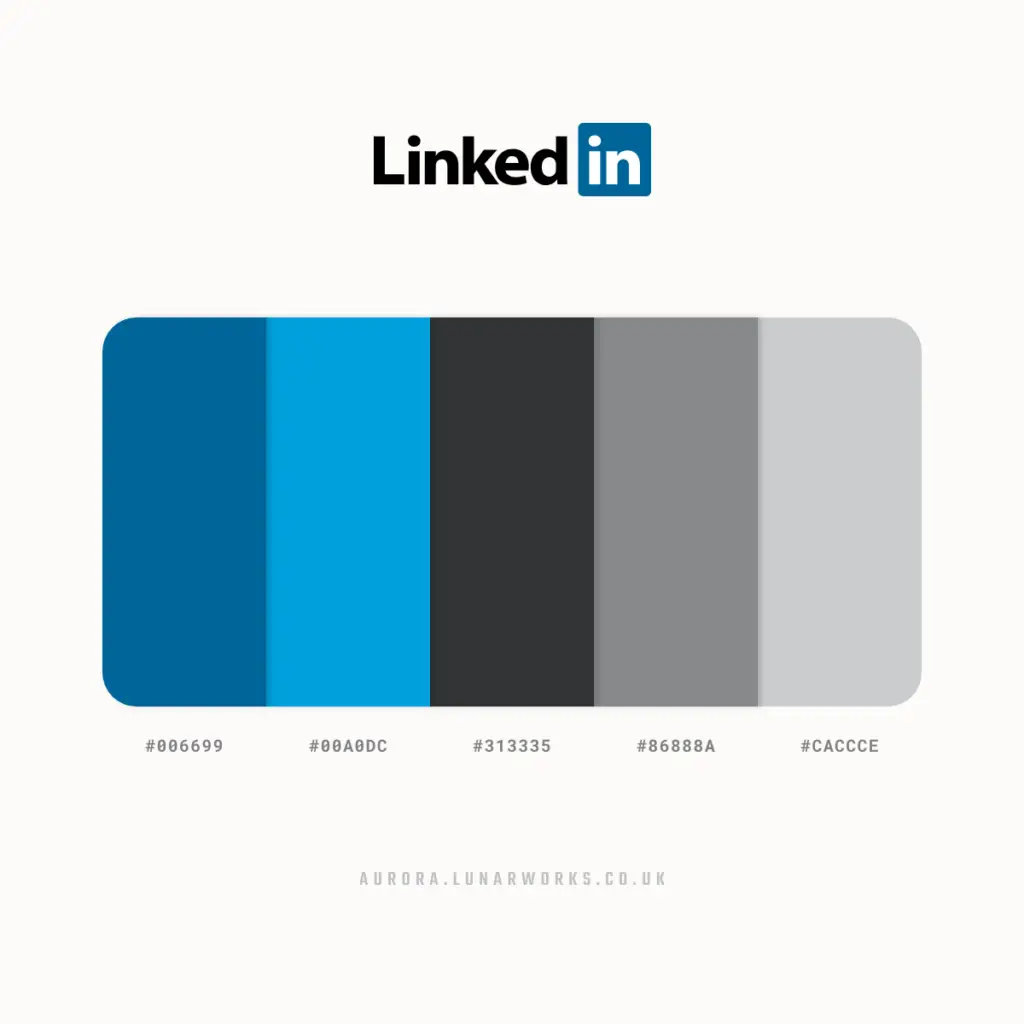
The LinkedIn blue
LinkedIn, the networking hub for professionals, wisely chose blue as its primary colour.
Remember what blue signifies?
Trust, calm, and responsibility.
When you’re looking to connect with industry professionals, apply for jobs, or hire employees, these are the exact feelings you want to experience.
Blue doesn’t rush you into making decisions but forms a background that says, “Take your time, think it over, and make your move when you’re ready.”
These aren’t mere coincidences.
These brands have spent a tonne of time and money to figure out the exact emotional buttons to press.
So the next time you’re thinking about splashing some colours onto your marketing materials, remember these examples.
There’s a hidden science to choosing the right shades, and when applied wisely, the results can be nothing short of magical.
Future trends: colours for 2026 and beyond
As we look ahead, it’s crucial to stay on top of trends.
Yes, colours have history, but they also evolve.
Let’s peer into what’s unfolding on the colour horizon for this year and what that means for your marketing game.
Pantone’s colour of the year
Every year, the colour gurus at Pantone release their “Colour of the Year,” and for 2023, it’s Viva Magenta 18-1750.
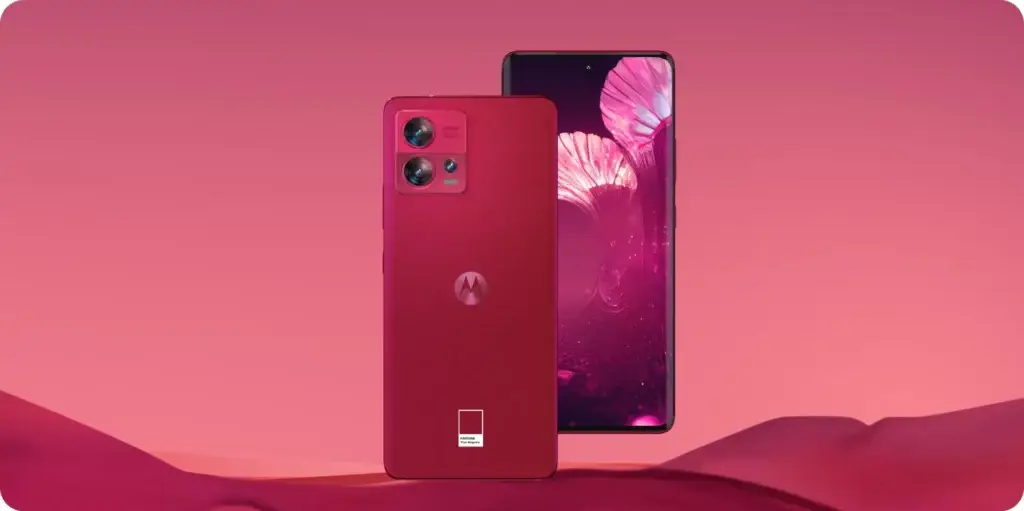
While it may seem like just another shade in the rainbow, this choice will influence design and marketing strategies significantly.
When Pantone picks a colour, people listen.
Marketers, designers, and retailers often incorporate the chosen hue into their new releases, from clothing collections to tech gadgets.
So don’t be surprised if you start seeing this colour pop up everywhere.
Jumping on the Pantone bandwagon might just give your brand a fresh, trendy vibe.
The shift towards sustainable and neutral colours
Sustainability is no longer a buzzword; it’s a mandate.
As more consumers become eco-conscious, brands are adapting, not just in how they produce goods, but how they present themselves.
There’s been a noticeable shift towards earthy, neutral colours like greens, browns, and blues.
These colours not only resonate with a broad audience but also convey a message of earth-friendliness and sustainability.
Even if your product isn’t inherently “green,” leaning into this palette can create a perception of social responsibility.
The psychology of colours in marketing isn’t static; it’s more like a shifting kaleidoscope.
And as we move further into the rest of this year, staying ahead of these shifts can mean the difference between blending in and standing out.
Adapt or get left behind.
The choice, as always, is yours.
Your next steps
You’ve soaked up a lot about the power of colour psychology in marketing.
What now?
Start with a brand audit to see if your current colour scheme aligns with your brand’s personality and goals.
If there’s a disconnect, consider a revamp.
You don’t have to go it alone — consult a design expert to navigate the colour maze effectively.
Also, don’t underestimate the power of A/B testing.
Small changes can sometimes yield significant impacts.
It’s a continuous process, so stay engaged, measure results, and adjust as you go.
Pulling it all together: your palette, your brand, your success
Colour isn’t just a superficial design choice; it’s a cornerstone of effective marketing.
As we’ve seen, from McDonald’s to Apple, the right colour can elevate your brand, connect with your audience, and boost sales.
As the internet evolves, you too must adapt.
This year brings its own colour trends and shifts, but the principles of colour psychology remain.
Take what you’ve learned here today and apply it.
Because the right colour doesn’t just paint your brand; it defines it.
So go on, take control of your palette and paint your way to success.