
When was the last time you saw an ad that made you stop and say, “Wait, what?”
Maybe it sparked a question, tugged at your heartstrings, or left you dying to know more.
Perhaps it used the right colour that matched your mood.
Here’s the thing…
Those weren’t accidents.
These ads aren’t just throwing pretty pictures and catchy slogans at you.
They understand what makes you tick…
What ignites your curiosity…
And ultimately, what convinces you to pull out your wallet.
It’s a sneaky but powerful way to turn clicks into sales.
And we gotta admit, it’s every marketer’s dream.
Don’t worry, you don’t need a fancy Ph.D. to master how to use the psychology of advertising.
In this guide, we’ll check out simple yet powerful psychological tips to turn those views into clicks… then into actual sales.
How to use the psychology of advertising to make people want to buy
Think about it – people don’t just buy stuff on a whim.
They’re driven by deep desires.
Maybe they’re looking for a quick fix for a nagging problem.
Perhaps they want to feel good about themselves.
Psychology in advertising is all about getting inside people’s heads – in a good way.
Don’t get me wrong.
We don’t want to play some jedi mind trick to get them to do something (that would be cool though).
We want to connect with them on a deeper level.
Because when that connection happens, the clicks – and conversions – naturally follow.
Use psychology to get from scroll to sold
Now we know why some ads feel like they burrow right into your brain.
Let’s translate that knowledge into action – and use them to create the right strategy.
Our digital marketing coaching programme can help you apply these principles directly.
Here are five powerful tips that can transform your ads from ignored banners to click magnets.
Hit them right in the feels
Because when you do, you hit them where it matters.
Psychology Today reports that when people make purchasing decisions, they listen to their gut feelings more than a product’s specs.
Think about it.
Would you rather buy a car that talks about horsepower and fuel efficiency?
Or the one that makes you picture yourself cruising down the highway with the wind in your hair?
Emotions are powerful motivations (a.k.a. Psychological biases).
And you can use them to show how you bring value to the lives of your customers.
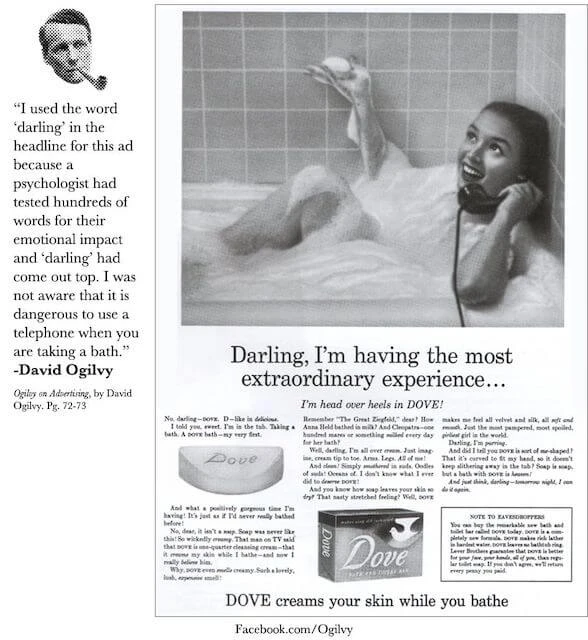
How can you use emotions in your advertising?
- Tell emotional stories – Stick to stories that tug at the heartstrings, make viewers laugh, or spark excitement.
- Use visuals that’ll make them weep – Think warm, fuzzy sunbeams for happiness. Or calming nature scenes for peace. Basically, visuals that paint a picture of exactly how your product makes people feel.
- Use relatable situations – People connect with stories they can see themselves in. So, stick to situations and emotions that feel real – the kind that make you go, “Oh yeah, I’ve totally been there!”. A Good example of this is when Breanna Price explains using a video of a cute dog to capture immediate relatability with her audience.
Even big brands are getting emotional in their ads
Back in 2014, Always launched a campaign that was all about girl power with a side of social justice.
#LikeAGirl challenged the idea that doing something “like a girl” meant weakness.
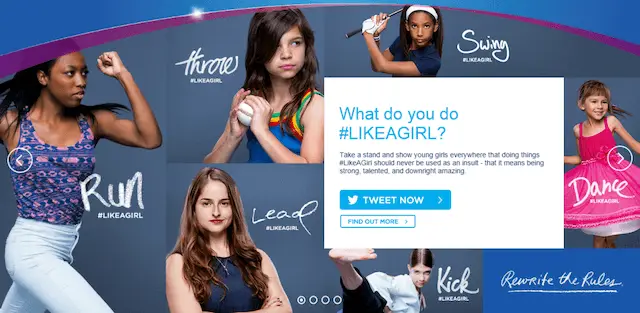
And it totally delivered.
It sparked conversations.
It shattered gender stereotypes.
And more importantly, it associated the brand with emotions of empowerment and hope.
You don’t need to stick to positive emotions either.
WWF didn’t mess around when they launched an ad with a seriously head-turning image: a guy’s face morphing into a fish.
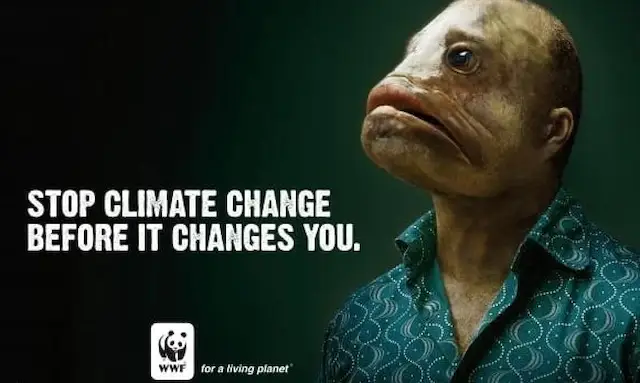
Using dramatic imagery, it combined shock value and fear to send a focused message–
Climate change isn’t just about polar bears (although they’re important too).
It can change who we are — and that we should act now.
FOMO is your friend
One minute you’re scrolling, the next you see an incredible deal with a countdown timer that makes you sweat.
Those “limited quantities” and “don’t miss out” warnings?
Yeah, they get to me, too.
Even I’m not invincible against the power of FOMO (fear of missing out).
And your customers aren’t too.
Scarcity marketing taps into that urge to urgently buy something before it disappears.
And guess what – it can seriously boost your sales.
Get them to click NOW
- Turn up the heat – Don’t just say it’s limited – show it. These ticking clocks remind people that this sweet deal won’t last forever.
- Use words that work – Phrases like “exclusive offer” and “last chance” trigger that FOMO feeling. Just be careful not to overuse it, or you’ll look like a desperate salesman.
Don’t get left behind
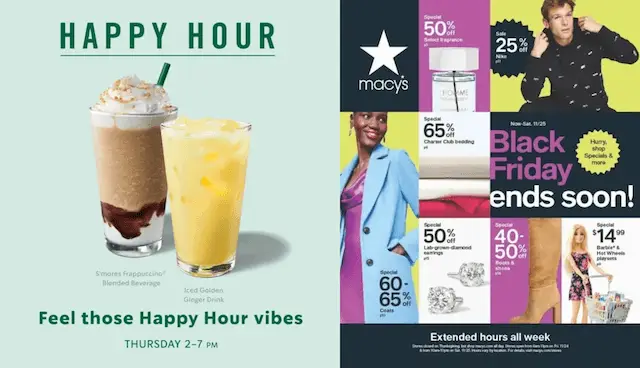
From BOGO frappuccinos to price-offs on fashion, brands are jumping on the bandwagon.
And you can too.
Remember though…
Timing – and planning – is everything with FOMO marketing.
Use it too much, and “limited edition” becomes last year’s news.
Monkey see, monkey buy
Ever notice yourself subconsciously trusting a restaurant because it’s always packed?
And the last time you bought something online, didn’t you choose the ones with glowing reviews?
That’s the power of social proof – and using it can help increase your conversions by 15%.
Shining the spotlight on real positive customer experiences signals that it’s safe to buy from you.
After all, if past clients love it, others will too.
Turn customers to champions
- Be proud of rave reviews – Real-life stories are way more convincing than any fancy marketing jargon. So feature testimonials from happy customers and user-generated content that shows your amazing product.
- Numbers don’t lie – Share impressive stats about your customer base and product sales. They can be powerful trust signals that will get people to click that Buy Now button.
High fives and five stars
Imagine you’re on the fence about trying a new workout program.
Suddenly, you see a video of a regular person who tried the program – and raving about how well it works.
The results are realistic.
Their enthusiasm feels genuine.
And now you can’t stop yourself from clicking that “Try now” button.
Testimonial ads tap showcase real people vouching for a product or service – and they work.
They make your claims more credible and your brand more relatable.
Headspace isn’t just about guided meditations and sleep stories.
They’ve also cracked the code on using real testimonials in their ads.
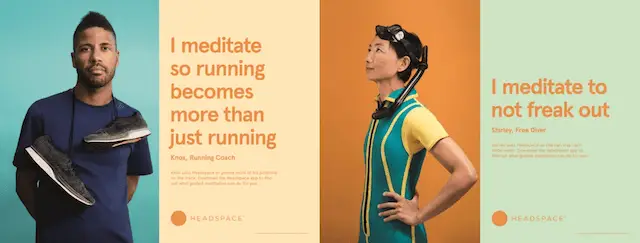
They highlighted how their app helped real people.
In the process, they showed how Headspace helps stressed-out folks find inner peace (it begins by becoming a paying customer).
The beauty brand Rare Beauty also uses a winning combo to convince customers that they’re the real deal.
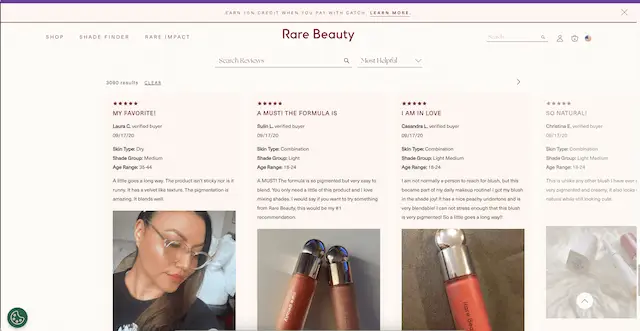
Land on their website and what do you see?
A carousel of real people rocking Rare Beauty on social media.
Flip to a product page and you’ll find customer reviews with pics.
Real people.
Real results.
Zero doubt.
The hype is real – and it can drive sales
Sometimes, it can be all about the pre-launch tease.
These clever anticipation marketing tactics create a sense of mystery and excitement.
And this excitement can mean serious sales when the product hits the shelves (or the online store).
From a whisper to a bang
- It’s all about the tease – Drip-feed some cryptic ads that hint at what’s coming. Think of it as a sneak peek that gets them hooked before the big reveal.
- Early access for VIPs – Launch exclusive offers that will create a sense of urgency and exclusivity. Let’s be honest, no one says no to experiences that are “members only”.
Do it right and watch them line up
Cryptic invites…
Sleek silhouettes of unseen devices…
And highly exclusive launch events.
Apple has mastered the art of leaving people wanting more.
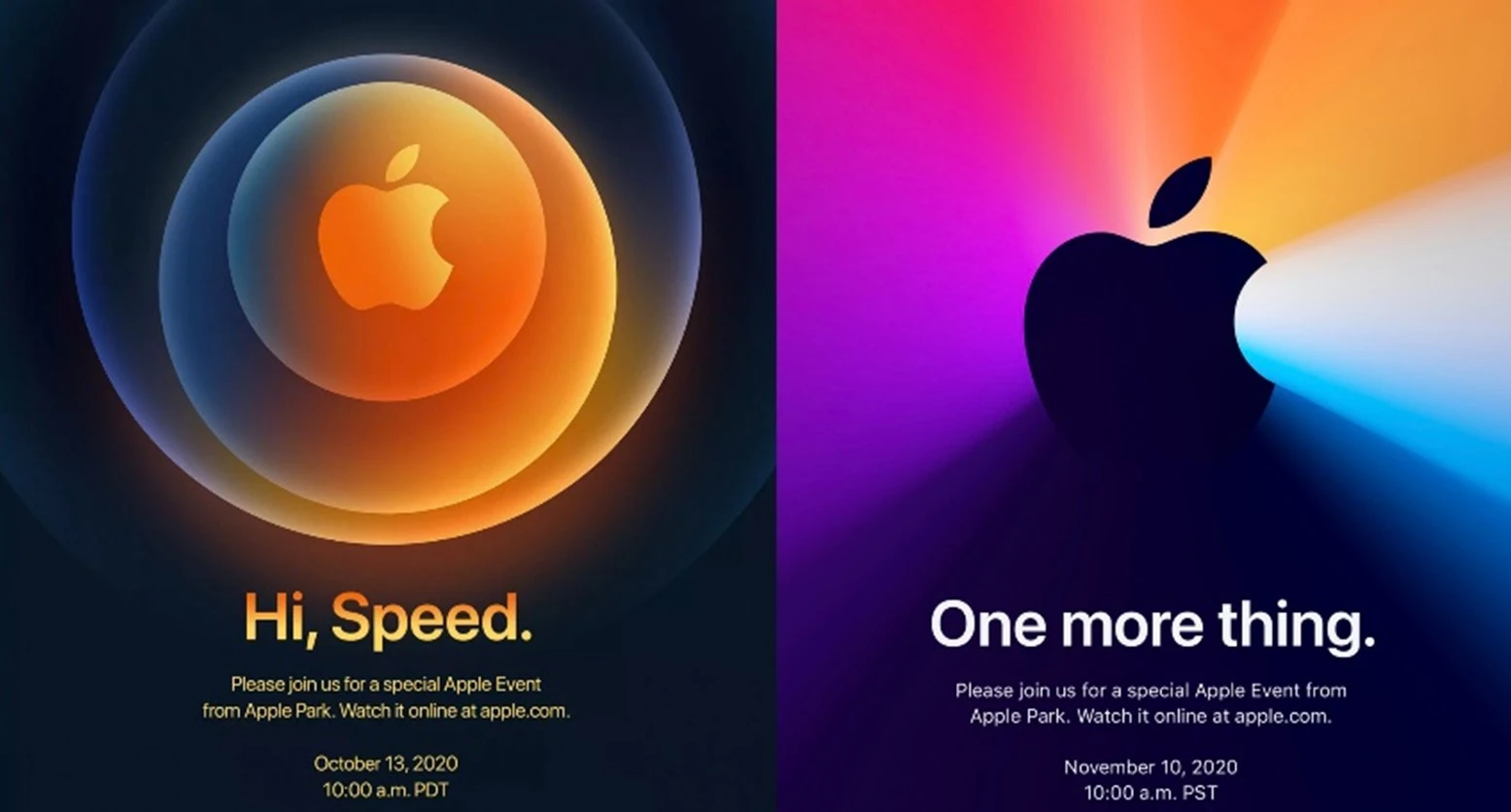
This carefully crafted pre-launch buzz has us all eagerly waiting for the next “one more thing” moment.
More importantly, it gets people to line up just outside their doors when it’s time to launch.
All-star lineup for five-star sales
Imagine you’re scrolling through social media and you see a random model using a new skincare product.
Now, picture the same ad, but this time with a renowned dermatologist explaining the science behind the product’s ingredients.
Let’s be honest though, we have no clue who’s famous in the dermatology world.
But which one is more likely to convince you?
And the best advertisers know it – and use the hell out of it.
Expertise drive believability
- Work with authority figures – Athletes wearing sports brands. Fitness trainers talking about health supplements. Working with professionals in the right field adds credibility to your claims.
- Go for “influence” – Recognizable faces instantly grab attention and amplify your message. But remember, slapping a celebrity’s face on a product isn’t enough. Stick to personalities that fit your brand.
The “White Coat Effect”
How many times have you seen a dentist talking about a brand of toothpaste?
This isn’t a coincidence.
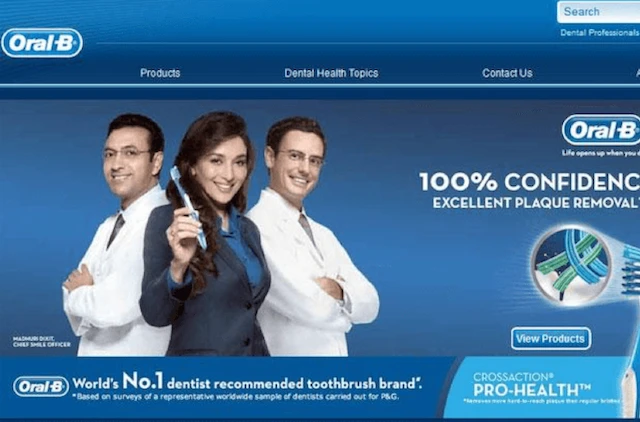
Sometimes, it doesn’t even need to be a direct endorsement.
Even a casual mention from someone in a white coat can make a product seem more credible.
That said, it’s all about mastering the mind game
Forget pushy tactics (they don’t work anyway).
It’s all about understanding the “why” behind the “buy.”
Now, the real question is: Can you use these psychological insights for your own winning marketing campaigns?
The answer is always yes.
But remember, with great power comes great responsibility (just kidding, kind of).
Here are some tips for using these insights ethically:
- Focus on transparency – Showcase real customer experiences, not staged testimonials.
- Build anticipation the right way –Tease exciting new products, but avoid misleading countdown timers or over-the-top pressure tactics.
- Partner with genuine experts – Stick to endorsements from figures who truly align with your brand and its values.
Remember, building trust and positive associations is the ultimate goal.
So use these tactics to create campaigns that spark curiosity, inspire trust, and foster genuine connections.