

Have you ever rooted for a movie hero who’s not perfect?
Like, they’re brave but a bit clumsy.
That’s kind of like the Blemishing Effect.
It’s a fancy term for something pretty simple: when a small flaw makes a person or thing more appealing.
Think about when you shop online.
Let’s say Amazon.
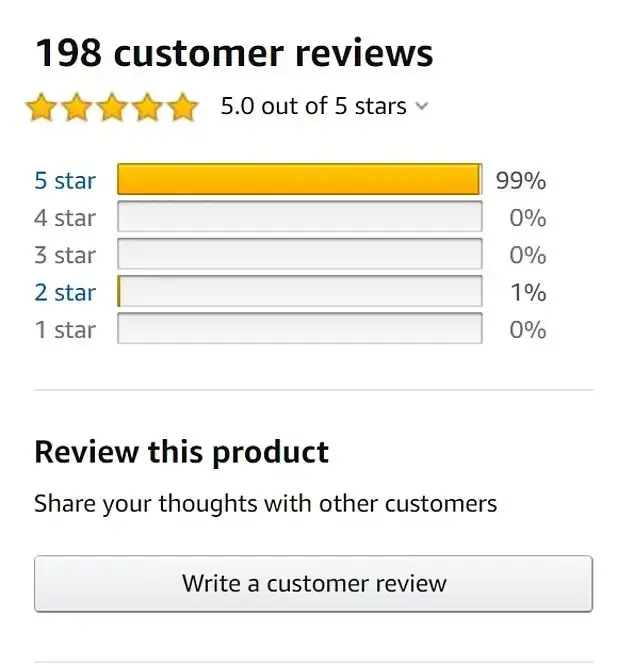
You see a product with all glowing reviews and another with mostly good reviews, but a few not-so-great ones.
Weirdly enough, you might trust the second one more.
Why?
Because it feels more real, more human.
A couple of less-than-perfect comments mixed with the good ones make the overall picture seem more trustworthy.
So, the Blemishing Effect is like our clumsy hero.
Not perfect, but somehow more likeable and believable because of those flaws.
It’s why millions of people often find a product with mixed reviews more appealing than one that seems too good to be true.
Real-life examples of the Blemishing Effect
Let’s dive into how big names like Amazon use the Blemishing Effect.
You’ve probably seen this in action without even knowing it.
When you’re scrolling through Amazon looking for, say, a new coffee maker, you’ll find products with a mix of reviews.
Some are singing high praises, while others might point out a minor issue like a tricky lid or a loud brew process.
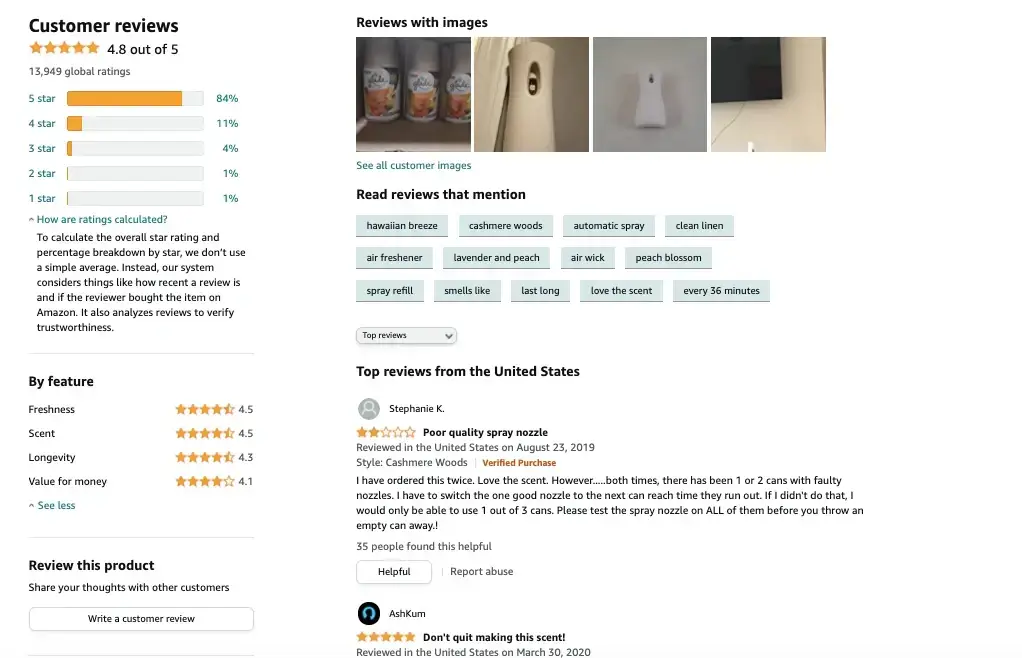
This mix is where the Blemishing Effect plays its part.
The trick is in the balance.
Too many bad reviews, and the product looks bad.
But just the right sprinkle of not-so-great feedback among the raves?
That’s the sweet spot.
It makes the reviews seem more honest and less like they were all written by the seller’s best friends.
Now, how does this impact sales and trust?
You’re more likely to buy something if you feel like you’re getting the whole story, warts and all.
So, when a product has a few negative reviews, it doesn’t just turn people off.
Instead, it can actually boost sales because people trust it more.
They think, “Hey, if these few small issues are all that’s wrong with it, it must be pretty good.”
So, in a way, those few negative comments can be like gold for a company.
They make customers feel like they’re making a smart, well-informed choice.
And in the world of online shopping, feeling confident in your choice is a big deal.
That’s the Blemishing Effect for you – turning a small flaw into a big win for trust and sales.
The science behind It — Blemishing Effect studies and research
Now, let’s put on our science hats and look at what studies say about the Blemishing Effect.
One interesting study from Stanford’s Graduate School of Business sheds some light on this.
The big takeaway?
A little bit of negative information can actually make positive information seem even better.
It’s all about timing and order.
Imagine you’re reading reviews.
If the first things you see are positives, and then you hit a small negative, the good stuff sticks in your mind more.
This is because of two things: anchoring bias and the primacy effect.
What’s anchoring bias?
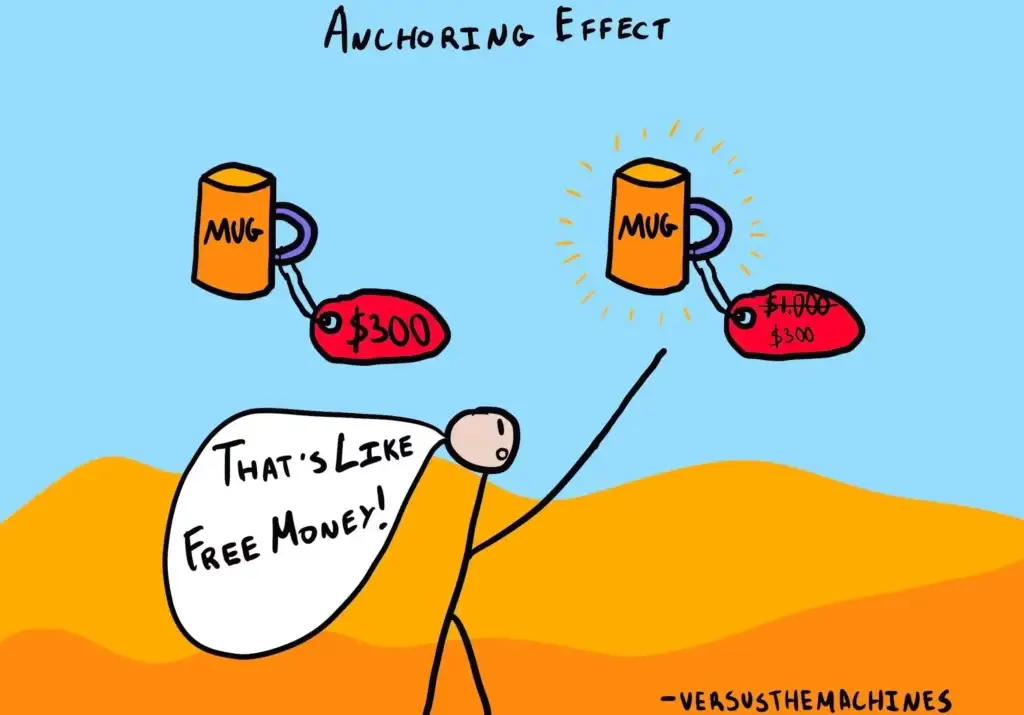
It’s like when you go shopping with a certain price in mind.
You see a shirt for $50, and then you find a similar one for $30.
Suddenly, the $30 shirt seems like a great deal.
Your first impression (the $50 price) anchors your thoughts.
As you can imagine, it wouldn’t work well if it were the other way around.
The primacy effect is about first impressions.
It’s like meeting someone and deciding in the first few minutes if you like them.
That first impression sticks with you.
In terms of reviews, if you read good things first, they set the tone.
Then, when a small negative pops up, it doesn’t seem so bad.
It might even make the good stuff stand out more, because it feels more honest.
The Stanford study showed that this mix could make people more likely to buy things.
It’s not just about making the product look good.
It’s about making it look real.
The right sequence of reviews – good before small bad – can be a powerful tool for businesses.
It builds trust and keeps people interested.
Be wary, it’s not as easy as it sounds
Using the Blemishing Effect isn’t as easy as throwing in a few random flaws.
It’s about striking a balance.
You need just enough negative information to make the positives seem more genuine, but not so much that it turns people off.
So, how do companies do this?
- It’s all about choosing the right minor negatives.
These should be small issues that won’t be deal-breakers for most people.
For instance, mentioning that a camera bag is a bit heavy but highlighting its great protection and stylish design.
The minor negative (weight) is overshadowed by the major positives (protection, style).
But here’s where it gets tricky: this strategy doesn’t work the same for every product or service.
Take high-stakes items like car seats or medical equipment.
People want these to be as close to perfect as possible.
In cases like these, any negative, no matter how small, might be a big no-no.
On the other hand, for lifestyle products like clothes or gadgets, a small flaw might add character or make the product seem more relatable.
Limitations and cautions
Now, let’s talk about when the Blemishing Effect might not work out so well.
First off, if the negatives are too big or too many, they’ll overshadow the positives.
It’s like if someone says a restaurant has:
- Great food
- BUT terrible service
- Long wait times
- and high prices
You’re probably going to pass…
Another thing to consider is honesty.
If it looks like a company is deliberately adding flaws or if the negatives seem trivial or fake, people might catch on.
That could backfire big time, making the company seem sneaky instead of trustworthy.
And don’t forget about different customers.
What’s a minor issue for one person could be a deal-breaker for another.
A small negative like “this laptop is heavy” might turn off someone who travels a lot, even if the laptop has great features otherwise.
How to use the Blemishing Effect in your business
If you’re thinking of using the Blemishing Effect in your business, here’s how to do it smartly.
First, identify minor negatives that won’t scare off your customers.
This could be anything from a product being available in limited colours to a service taking a bit longer but yielding great results.
The key is to choose flaws that don’t hit the core value of what you’re selling.
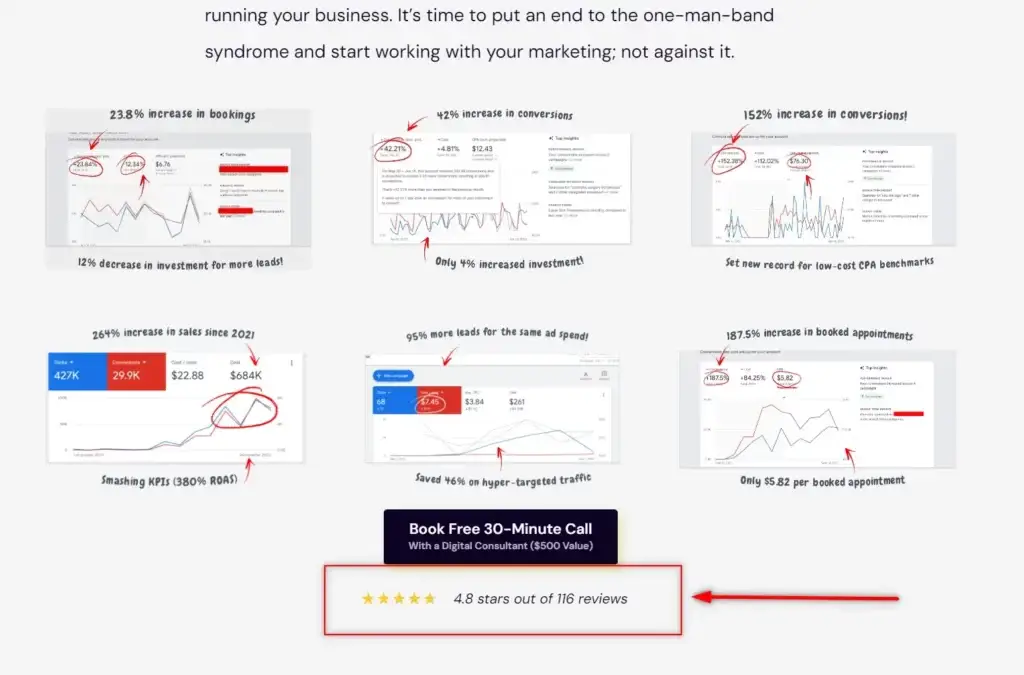
For example, if you’re selling waterproof watches, you wouldn’t mention they might get foggy underwater.
That’s a major flaw.
But saying the watch comes in only two colours?
That’s more like it.
Next, how do you know if it’s working?
Testing and measuring are your best friends here.
- Try adding a minor negative to some of your product descriptions and see what happens.
- And keep an eye on sales and customer feedback.
Are people mentioning the negatives in their reviews?
Are sales going up or down?
You can even get more technical with A/B testing.
Show one group of customers a product description with a minor negative and another group the same description without it.
Compare the reactions.
Which group is more interested?
Which one trusts the product more?
Remember, the goal is to build trust, not to mislead.
So, always be honest and upfront.
If a negative aspect is going to be a big deal for some customers, don’t hide it.
Transparency is important.
Lastly, keep tweaking your approach based on customer reactions and sales data.
What works for one product might not work for another.
And what works for one group of customers might not work for another.
Stay flexible and ready to adjust your strategy.
By carefully picking your ‘blemishes’, testing their impact, and being honest, you can use the Blemishing Effect to build trust and boost sales.
See, the Blemishing Effect isn’t so complicated, right?
The Blemishing Effect isn’t a brain-bender once you get the hang of it.
In fact, you’re probably seeing it in action every day without even realising it.
Next time you’re shopping online or reading reviews, keep an eye out for how this plays out.
Notice how you feel about a product with all glowing reviews versus one with a few hiccups mentioned.
Are you more drawn to the one that seems ‘too good to be true’ or the one that feels more real?
This isn’t just about buying stuff; it’s about understanding how we, as people, make decisions.
It’s fascinating to see how a small flaw can sometimes make a thing more appealing.
Like that sweater with an offbeat design that catches your eye more than the plain ones.
For those who want to dive deeper into consumer psychology, there’s a treasure trove of books and resources out there.
- “Influence: The Psychology of Persuasion” by Robert Cialdini is a classic.
It’s a goldmine for understanding why we say “yes” to things and how businesses can ethically persuade customers.
Online courses and podcasts are also great ways to learn more.
Look for topics like consumer behaviour, marketing psychology, or behavioural economics.
Remember, the more you understand how these psychological effects work, the smarter you’ll be as a consumer.
And if you’re in business, these insights are invaluable for connecting with your customers in a more meaningful way.
So, next time you’re shopping or planning a marketing strategy, keep the Blemishing Effect in mind.
It’s a small concept with big potential.