

Ever wondered what a digital marketing strategy is?
Think of it like a road map.
It guides you where you need to go to market and sell your products and services.
It’s not just for the big players.
Every business, big or small, can reap the rewards of a good strategy.
Without this map, you might end up wandering aimlessly.
That means spending money and time on things that don’t work.
Imagine trying to bake a cake without a recipe.
You might end up with something edible, but it’s not going to be that show-stopper you hoped for.
That’s what happens with digital marketing without a strategy.
But here’s a little secret: some people make their digital marketing strategies way too complex.
It’s like they’re trying to solve a Rubik’s Cube blindfolded.
So in this guide, we’ll walk through different types of digital marketing strategies.
You’ll learn what to focus on and what to avoid.
Let’s get started.
What makes a good digital marketing strategy?
Now, let’s specific up something important.
There’s a difference between strategy and tactics in marketing.
- Strategy is your end goal – the ‘what’ and ‘why’.
- Tactics are the steps you take to get there – the ‘how’.
Strategy vs. Tactics in digital marketing explained
Imagine you’re a football coach.
Your strategy might be to win the league.
That’s your ultimate goal.
Your tactics are the training drills, the team formations, and the in-match decisions you make to reach that goal.
In digital marketing, it’s similar.
Your strategy could be to increase brand awareness or boost your sales qualified leads (SQLs).
The tactics?
They’re the social media campaigns, the SEO efforts, and the exact email sequences you use to get there.
Both strategy and tactics are important players in a successful marketing plan.
Think of strategy as the destination and tactics as the journey.
You need a defined destination (strategy) and a well-planned route (tactics) to reach your goal successfully.

How to Create a Digital Marketing Strategy
When you’re crafting a digital marketing strategy, where you stand in your business journey matters a lot.
If you’re a startup, your strategy will look different from a business that’s already making a profit.
For startups, it’s like you’re at the starting line of a race.
You need to prove your concept works and get some money in the bank.
This stage isn’t about making a big splash with brand awareness.
It’s more about getting those first sales rolling in.
Tactics like cold outreach and targeted ads can be big here.
On the other hand, if you’ve been in the game for a while and you’re seeing profits, your strategy shifts.
Now, you’re in the race, and it’s about picking up speed.
It’s about scaling up, reaching new heights in revenue.
This stage involves exploring different tactics and channels to expand your reach and grow your customer base.
Understanding these differences is key to crafting a digital marketing strategy that suits your business’s current needs.
We’ll dive into the specifics of these strategies, keeping you up to date with the latest trends.
1. Demand generation
Demand generation is about creating a need for your product or service.
It’s like planting seeds in a garden.
You nurture them, and over time, they grow into something bigger – a steady flow of interested customers.
In a broader digital marketing strategy, demand generation plays a huge role.
It’s not just about getting quick sales.
It’s about building long-term interest and relationships.
This approach makes sure that your business isn’t just a one-hit wonder, but a name people come to know and trust.
Imagine you’re selling eco-friendly water bottles.
Demand generation in this case isn’t just about telling people you have a water bottle for sale.
It’s about:
- Educating potential customers on the importance of reducing plastic waste
- Sharing stories of how your product is making a difference
- And creating content that resonates with people’s desire to be more environmentally conscious
This creates a demand for not just a product, but an idea and a lifestyle.
It integrates seamlessly into a digital marketing strategy, complementing other things like SEO, content marketing, and social media campaigns.
By focusing on demand generation, you’re not just selling a product; you’re creating a culture, a community, and a brand identity that can drive sustained growth and interest.
2. Lead generation
Lead generation is a bit like fishing.
You’re casting your net (or line) to catch potential customers.
Unlike demand generation, which is about nurturing a long-term interest, lead generation focuses on the here and now.
It’s about grabbing attention and turning that into immediate action.
In a digital marketing strategy, lead generation slots in as the method of getting short-term sales.
This often involves strategies like cold outreach, where you contact potential customers who might not know or trust your brand yet.
It’s a bit like approaching a stranger and starting a conversation.
You’re reaching out to people who’ve shown no prior interest in your product or service.
Or sometimes, it’s showing your ads to people that are searching for a solution to the problem you help solve.
Usually with something like Google Ads management.
But remember, not all leads are created equal.
There are:
- Marketing Qualified Leads (MQLs)
- and Sales Qualified Leads (SQLs)
MQLs are like interested bystanders.
They’ve shown some interest but aren’t ready to buy yet.
SQLs, on the other hand, are like people who’ve walked into your shop and are looking at the price tags.
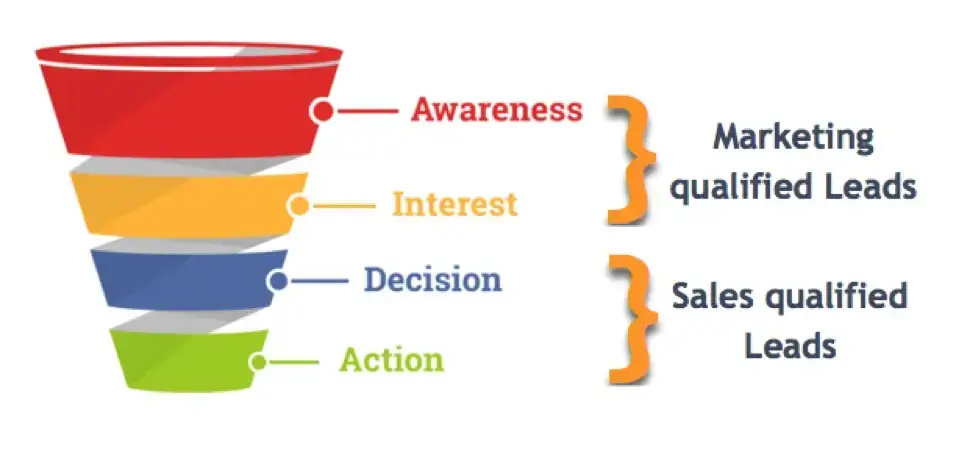
They’re more likely to make a purchase.
And then there’s the difference between cold and warm leads.
Cold leads are those you reach through cold outreach.
They’re challenging because there’s no pre-existing trust.
Warm leads, often generated through your demand generation efforts, already have some level of interest or familiarity with your brand.
For example, if you’re selling online courses, a cold lead might be someone you reach through a LinkedIn message.
A warm lead might be someone who’s already following your blog and has shown interest in your content.
Your approach to these different types of leads will vary, as will their potential to convert into actual sales.
3. Content marketing
Content marketing is like the art of storytelling in the business world.
It’s about creating and sharing valuable content to attract and engage your target audience (or your competitor’s).
But it’s not just about getting people’s attention; it’s about keeping it and gently guiding them towards a decision to buy your product or service.
The power of content marketing lies in its ability to build relationships.
It’s not a hard sell.
Instead, it’s a soft, persuasive approach, where you offer something of value – be it information, entertainment, or solutions – without asking for an immediate sale in return.
Let’s look at some examples.
A classic one is a blog.
Say you’re selling gardening tools.
You might write blog posts about ‘Top 10 Gardening Tips for Beginners‘ or ‘How to Choose the Right Plants for Your Climate‘.
These articles provide valuable information that draws people in.
They’re more likely to trust your brand and consider your products when they need gardening tools.
Another example is how-to videos.

A company selling cooking supplies might create video tutorials on different recipes.
These videos can help viewers learn something new while subtly showcasing the company’s products in action.
Effective content marketing isn’t just about creating good content.
It’s about creating the right content for the right people at the right time.
It’s a long game, aiming to gradually build trust and authority in your niche.
When done right, it can be a powerful tool in your digital marketing arsenal, turning casual readers or viewers into loyal customers.
4. SEO
SEO, or Search Engine Optimisation, is all about making your website and content more visible and attractive to search engines like Google, Bing, or even platforms like YouTube and TikTok.
It’s like the difference between a shop tucked away in a back alley and one on the main street.
SEO helps put your business in front of people who are actively searching for what you offer.
SEO isn’t just a one-off task; it’s an ongoing process that should weave through all aspects of your digital marketing.
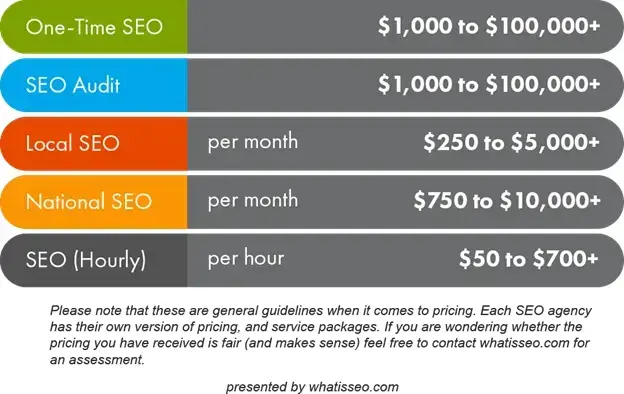
It pairs exceptionally well with content marketing and paid advertising.
For instance, the keywords you target in your blog posts are part of SEO, as is ensuring your paid ads show up for relevant search terms.
And it’s a broad field.
You’ve got Google SEO, which is about ranking on Google‘s search results.
Then there’s YouTube SEO, for those who create video content, focusing on getting your videos seen on YouTube.
Even TikTok has its form of SEO, helping users discover your content on the platform.
In each case, the principles are similar: understand what your audience is searching for and optimise your content to meet those needs.
By integrating SEO into every step of your marketing, you ensure that your content not only reaches your audience but also resonates with them, leading to better engagement and, ultimately, conversions.
5. Paid advertising (Google Ads/PPC)
Paid advertising, particularly PPC (Pay-Per-Click), is like buying a ticket to the front of the line.
Instead of waiting to be discovered organically, you’re paying for visibility.
This includes big names like Google and Facebook Ads, but also extends to platforms like Reddit, LinkedIn, and TikTok.
Google and Facebook (Meta) dominate this space.
Google Ads works by intercepting traffic.
Imagine someone is searching for “best running shoes”.
If you sell sports footwear, your Google Ad might pop up in their search results.
This is especially powerful for catching people at the bottom of the funnel (BoFu) – when they’re ready to buy.
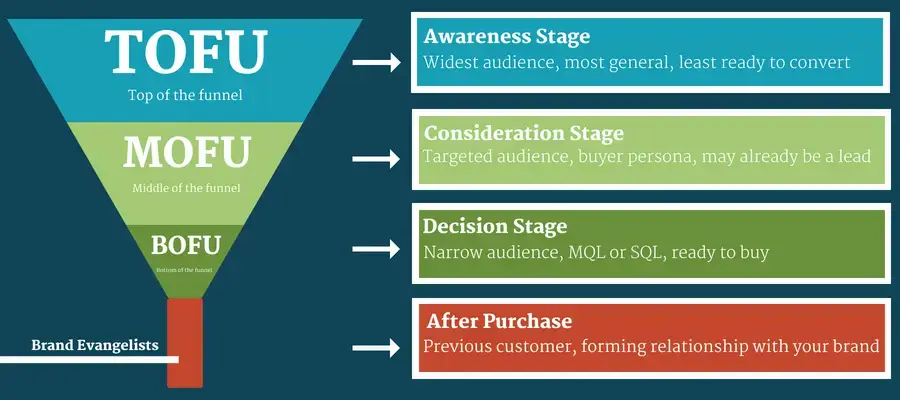
Google Ads can also be used for promoting content, like blog posts, often at lower costs per click.
Then you have social ads, which lean more towards content marketing and demand generation.
These ads appear on social platforms like Facebook and Instagram, where you’re essentially interrupting people’s social media experience.
The art here is to do this without being spammy.
It’s less about catching people who are ready to buy and more about generating interest and leads.
While Google Ads is like fishing with a net – casting it where you know the fish are, social ads are more like casting a wider net in the ocean, hoping to catch the attention of fish that didn’t even know they were hungry.
Both strategies have their place, and the key is to use them wisely to reach your target audience effectively.
6. Social media marketing
Social media marketing in today’s context is like having a conversation in a crowded room.
You want to be heard, but you also need to be interesting enough to keep people’s attention.
It heavily overlaps with content marketing, and right now, organic marketing is a big deal.
Platforms like Facebook, Instagram, and TikTok have evolved their algorithms over time.
They’re like bouncers at a club, deciding who gets in based on popularity – likes, comments, and watch time.
If a post gets engagement, the algorithm shows it to more people, creating a cycle of visibility.
This system dictates who gets traction and who fades into the background.
Creating content for social media today isn’t about just posting company news or inspirational quotes.
Those days are long gone.
Now, it’s about striking a balance between education and entertainment.
our content should not only inform but also engage your audience.
This approach aligns closely with demand generation – it’s about building interest and a community, not just pushing for a sale.
Think of it like a cooking show.
You’re not just listing out ingredients and steps.
You’re adding personality, tips, and maybe a few jokes.
It’s about giving your audience a reason to watch, learn, and, eventually, trust your brand.
This way, your social media marketing becomes more than just posts; it becomes a vital part of your audience’s online experience.
7. Email marketing
Email marketing has been around for ages, and there’s a good reason for that.
Despite the rise of social media and other platforms, email marketing isn’t going anywhere.
We’ve been conditioned to check our emails daily, making it a direct line to potential customers.
Yes, email is saturated, but it remains incredibly lucrative.
Some businesses report staggering returns of 40:1 on their email marketing efforts.
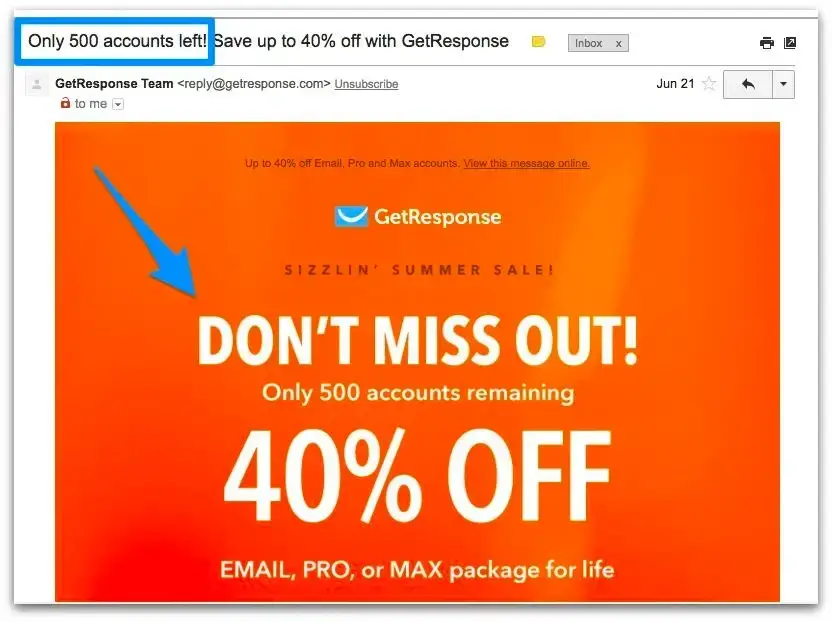
This stems from its direct nature and the personal touch an email can have.
It’s like sending a personalised invitation to each person, rather than a general shout-out on social media.
The real power of email marketing lies in nurturing leads into sales.
It’s a journey from introducing your brand to gradually building interest and trust, eventually leading to a sale.
Regular, targeted emails keep your brand in the mind of your potential customers, providing value, building a relationship, and gently guiding them towards a purchase.
Digital marketing tactics come and go, but email marketing remains a constant – a testament to its effectiveness and importance in any comprehensive digital marketing strategy.
8. Video marketing
Video marketing is riding a massive wave of popularity.
It’s the growing trend that’s hard to ignore, with platforms like YouTube, TikTok, and Instagram leading the charge.
These platforms have become prime real estate for sharing video content, reaching millions of viewers daily.
Think of video marketing as content marketing and demand generation, but instead of written posts, you’re using videos.
It’s about storytelling through a more dynamic and engaging medium.
Just like in traditional content marketing, you need to employ psychological techniques and frameworks to capture and maintain attention.
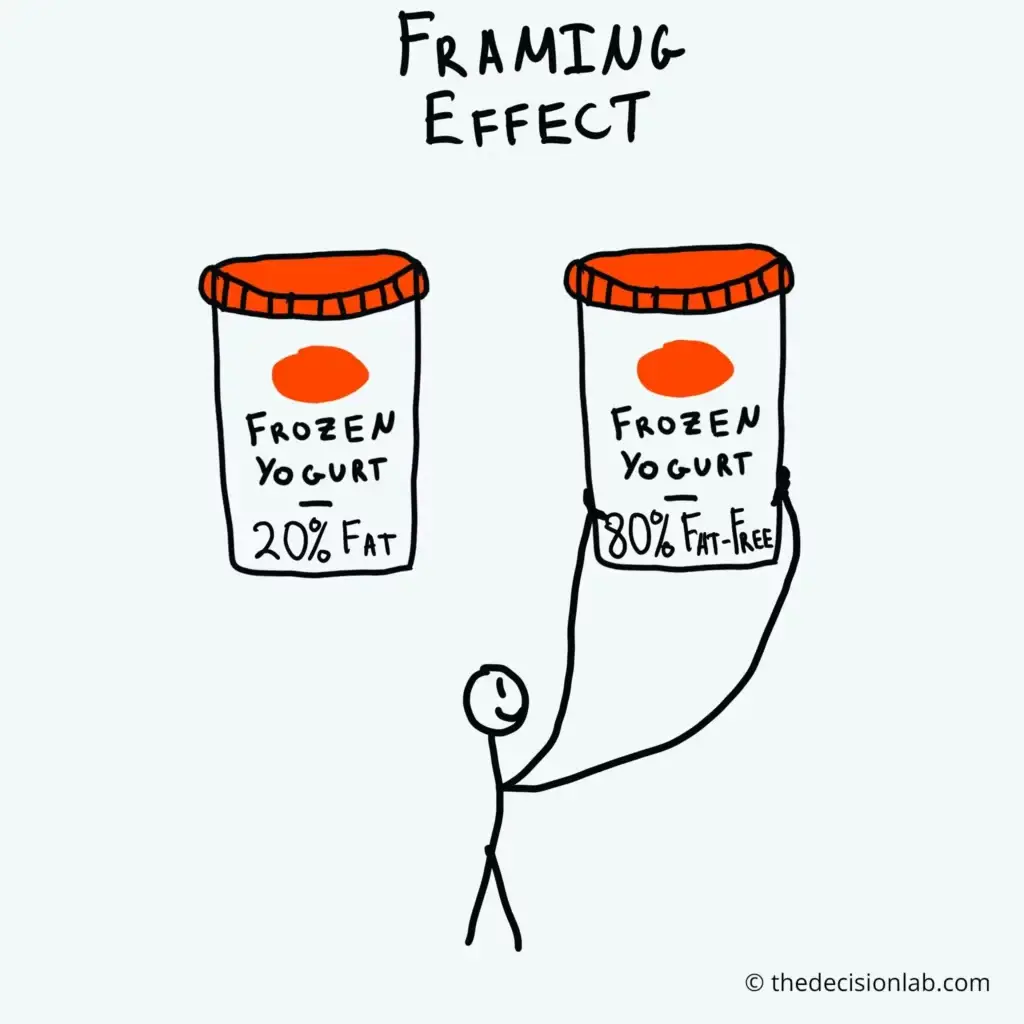
The beauty of video marketing lies in its versatility and reach.
You can create:
- How-to guides
- Product reviews
- Behind-the-scenes glimpses
- or even entertaining short films related to your brand
This versatility makes video content highly shareable and engaging, leading to increased brand visibility and interest.
Moreover, videos are a powerhouse when paired with paid advertising.
For example, Google’s Performance Max campaigns allow you to showcase your videos across various Google-owned platforms, reaching potential customers whether they’re watching a YouTube video or browsing the web.
Video marketing is no longer optional; it’s a critical component of a successful digital marketing strategy.
It allows you to connect with your audience in a more personal and engaging way, making your brand’s message memorable and impactful.
9. Chatbot marketing
Chatbot marketing is like having a friendly, helpful assistant available 24/7 on your website.
While it’s been around for some time, its use, particularly in e-commerce and SaaS (Software as a Service) industries, has grown significantly.
Chatbots have become an essential tool for assisting and nurturing potential customers through their buying journey.
The real strength of chatbot marketing lies in customer service.
It’s like having a knowledgeable salesperson who’s always on duty, ready to answer questions, guide customers through the purchasing process, or provide immediate support.
This level of instant assistance can often be the deciding factor leading to a sale.
But chatbot marketing goes beyond just offering tech support or discussing product specs.
When done right, it can be a significant revenue generator.
For instance, chatbots can upsell products, offer personalised recommendations, or even handle basic transactions.
While automation is a key feature of chatbots, it’s important to remember that people often still expect a human touch.
A well-designed chatbot can strike the right balance between automated efficiency and human-like interaction, making it an invaluable tool.
10. Internal marketing
Internal marketing might just be the most underrated player in the marketing world.
It’s about marketing to your own employees, so that they’re as engaged and passionate about the company as your best customers.
It’s especially important for building a business that’s not just profitable, but also respected and sellable.
Think of your employees as internal customers.
Just like external marketing, you need to nurture these relationships.
It’s about regularly communicating the company’s vision and goals, making each team member feel part of something bigger.
You’re not just assigning tasks; you’re inviting them on a journey.
You need to foster a positive company culture.
This might involve public recognition of achievements, creating a sense of belonging, or even incorporating elements of gamification into work processes.
These actions don’t just boost morale; they make employees feel valued and connected.
The impact of this can be transformative.
When your team believes in the company, they naturally become brand ambassadors.
They’ll talk about their work with friends, family, and their networks, not because they have to, but because they want to.
They sell your products or services through genuine enthusiasm and commitment.
Internal marketing turns your employees into a powerful marketing force.
It’s the subtle difference between a good company and a great one.
By investing in your team, you’re not just building a better work environment; you’re improving your brand’s reach and reputation from the inside out.
What’s the difference between a strategy and a campaign?
The difference between a marketing strategy and a campaign is like knowing the difference between planning a journey and actually taking a trip.
A marketing strategy is your big-picture plan.
It’s the blueprint that explains your overall goals and how you intend to achieve them.
This might include increasing brand awareness, entering new markets, or boosting customer loyalty.
The strategy provides direction and a framework for all your marketing activities.
A campaign, on the other hand, is like a specific journey within this grand plan.
It’s a set of tactics and actions focused on achieving a particular short-term goal.
Think of it as a chapter within a larger story.
For example, if your strategy includes increasing online sales, a campaign might be a targeted promotion or a special holiday sale.

This campaign uses specific tactics like email marketing, social media ads, and special offers to achieve the goal of boosting sales during a particular period.
The key difference is scope and duration.
A strategy is broad and long-term, providing general direction over an extended period.
A campaign is narrower and short-term, with a specific focus and a set timeline.
Your strategy sets the course for your marketing efforts, while campaigns are the steps you take along the way, each with its own purpose but all moving towards the larger goal set by your strategy.
How to implement your digital marketing strategy
Implementing a digital marketing strategy is like assembling a winning sports team.
You need the right players in the right positions, ready to adapt to changing game conditions.
Hire the right people and the rest will follow
Depending on your budget and scale, you might go for:
- Freelancers
- Build an internal team
- Or hire a digital marketing agency
Freelancers are like specialist players, great for specific tasks.
An internal team offers consistency and deeper brand understanding.
Agencies, meanwhile, bring a comprehensive set of skills and resources, like a well-rounded team ready for any challenge.
Another savvy move is hiring a fractional CMO (Chief Marketing Officer).
It’s like having a seasoned coach without the cost of a full-time salary.
They often come with their own small team, offering expertise and execution power.
This can be a cost-effective way to implement high-level strategies without overstretching your budget.
Flexibility and adaptability is important.
Digital marketing is always in flux – new trends, technologies, and consumer behaviours emerge regularly.
Be ready to tweak your tactics and shift resources as needed.
It’s like a team adjusting their strategy at half-time based on the opponent’s tactics.
Remember, successful implementation isn’t just about having a plan; it’s about having the right people (like a fractional CMO) to execute it and the agility to adapt as you go.
With the right combination of talent, strategy, and flexibility, your digital marketing efforts can score big.
Keeping your strategy fresh and evergreen
Keeping your strategy both fresh and evergreen is a delicate balancing act.
Mixing research and development (R&D) with tried-and-true strategies is all you need to focus on.
This approach allows you to experiment with new trends while maintaining a solid foundation of what works.
The role of your CMO or fractional CMO (fCMO) is important here.
They need to keep an eye on emerging trends and technologies, but without losing focus on strategies that are currently performing well.
The mantra here is simple: if something works, double down on it.
Chasing new, shiny tactics can be tempting, but it’s often a gamble.
Stick to what brings results and refine it for even better performance.
When refreshing your strategy, the Pareto Principle, or the 80/20 rule, can be a helpful guide.
Identify the 20% of your efforts that yield 80% of the results.
What strategies are bringing in the best results?
What areas are underperforming?
Focusing on these questions will help you streamline your strategy for maximum efficiency and effectiveness.
Final thoughts
This guide has walked you through the essentials of creating and implementing a successful digital marketing strategy.
From understanding the difference between strategy and tactics to exploring various marketing approaches like content marketing, SEO, and email marketing, we’ve covered the main areas you need to know.
Remember, digital marketing is not a one-size-fits-all solution.
It’s about finding the right mix of tactics that align with your business goals and audience needs.
Whether you’re a startup looking to make your mark or an established business aiming to expand your reach, the principles of effective digital marketing remain the same: understand your audience, provide value, and be ready to adapt.
As you apply these insights, keep in mind that digital marketing is a dynamic and ever-evolving field.
Stay curious, be open to experimentation, and don’t be afraid to tweak your strategy as you learn what works best for your business.
So, go ahead and put this knowledge into action.
Craft a strategy that tells your brand’s story, resonates with your audience, and drives your business towards its goals.